Germany: Netto offers endangered wildlife for sale
The sale of zebra meat at the German discount retailer Netto has sparked a debate about the sale of exotic wild game. The species conservation organisation Pro Wildlife is warning retailers and consumers about such offerings. «The meat almost always comes from animals taken from the wild, and most wildlife populations are already in decline due to poaching and habitat loss. The trend towards exotic


The sale of zebra meat at the German discount retailer Netto has sparked a debate about the sale of exotic wild game. The species conservation organisation Pro Wildlife is warning retailers and consumers about such offerings. «The meat almost always comes from animals taken from the wild, and most wildlife populations are already in decline due to poaching and habitat loss,» says Daniela Freyer of Pro Wildlife.
Zebra meat at Netto

The zebra meat sold at discount retailers likely comes from plains zebras. Populations declined by 24 percent between 2002 and 2016, and the species is considered potentially vulnerable. The primary threat is recreational hunting, particularly for the trade in hides, but also for meat.
«Driving the commercial international trade in luxury products derived from wildlife whose populations are already in severe decline is irresponsible and counterproductive for species conservation,» says Freyer. The packaging states: «Watch out for possible residues of bullet fragments.»
EU leading in kangaroo meat imports
The sale of exotic wild game has been booming for years. At least 1.5 million kangaroos are shot in Australia every year. Germany is the world’s third largest importer. Hundreds of thousands of wild animals die a slow, agonising death so that they can be sold as a delicacy in Europe. More on animal rights and on biodiversity.
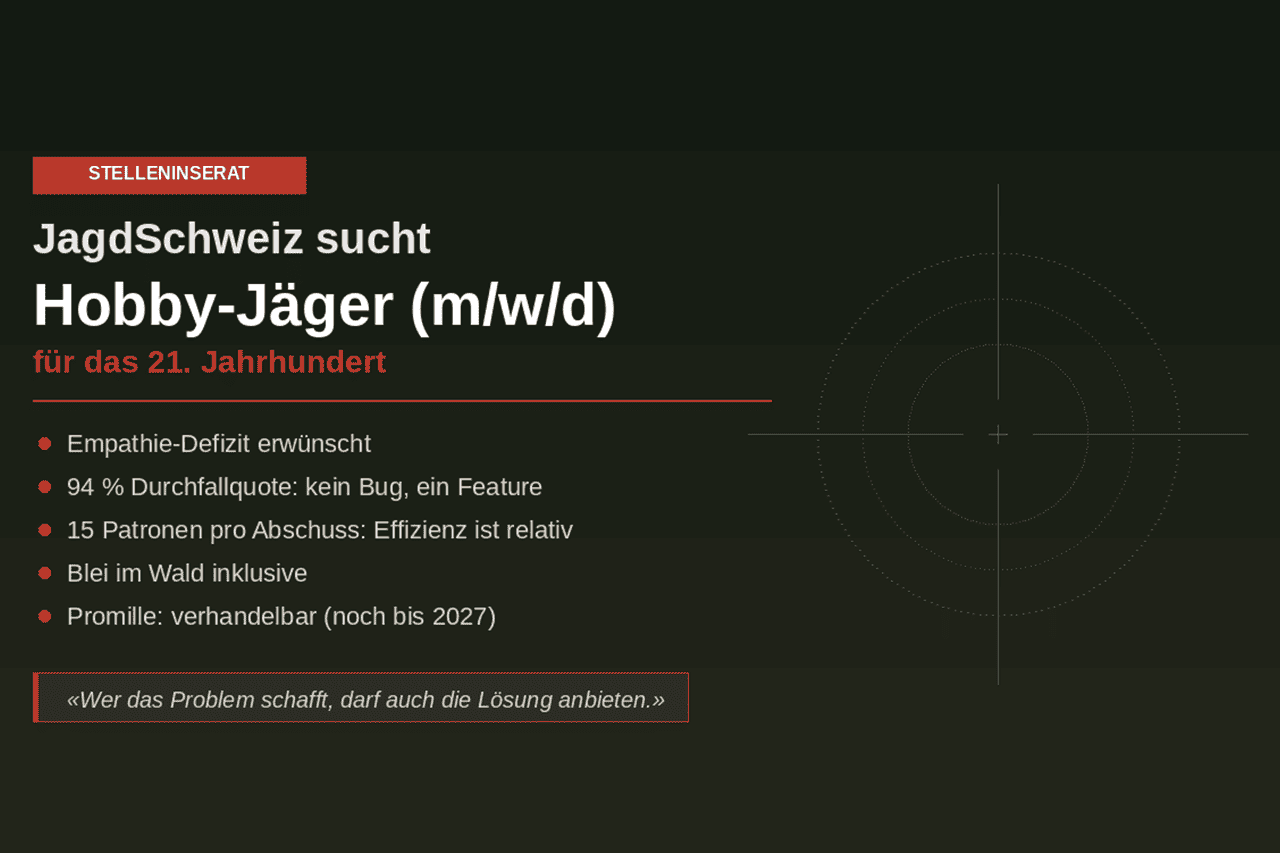
More on the subject of recreational hunting: In the dossier The Role and Criticism of Recreational Hunters we shed light on the training, power and self-image of recreational hunters. What the research says about this is shown by Hunting fact-checked: the state of research.
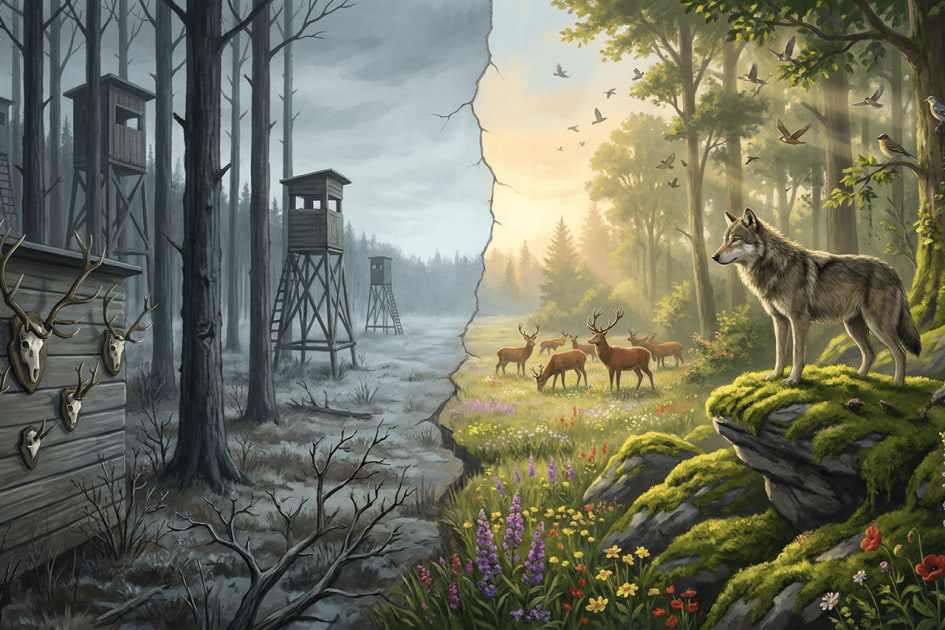
The position of IG Wild beim Wild: IG Wild beim Wild rejects recreational hunting. Our model is the canton of Geneva, which has managed without recreational hunting since 1974: without hunting seasons, without hunting dogs, without driven hunts, without high seats, without the animal cruelty and crime that go hand in hand with hunting season elsewhere. What has worked there for over fifty years disproves every position paper by JagdSchweiz. An association that bases its policy on claims it refutes in its own documents is not a professional organisation, but a factory for misinformation.