From King of the Jungle to Hot-Traded Skeleton
This year, International Lion Day on 10 August is a decisive day for all lions. Once feared and admired as the «King of the Jungle», the lion is being degraded by South African authorities into a highly coveted commodity. For years, the country’s lions have been cuddled as cubs on breeding farms, only to be hunted as adults.


This year, International Lion Day on 10 August is a decisive day for all lions. Once feared and admired as the «King of the Jungle», the lion is being degraded by South African authorities into a highly coveted commodity. For years, the country’s lions have been cuddled as cubs on breeding farms, only to be hunted as adults. In 2017, the authorities even introduced an export quota of 800 lion skeletons per year. These skeletons find their buyers primarily on the Asian market, where they are processed as ingredients for Traditional Chinese Medicine.
Alongside the commercialisation of its captive-bred lions, South Africa is also endangering wild big cat populations in other countries. In the course of a two-day colloquium on South Africa’s lion breeding industry this August, FOUR PAWS is calling on the South African government to lift the export quota and finally push forward a ban on the breeding and trading of captive-born lions.
Legal trade endangers wild lions
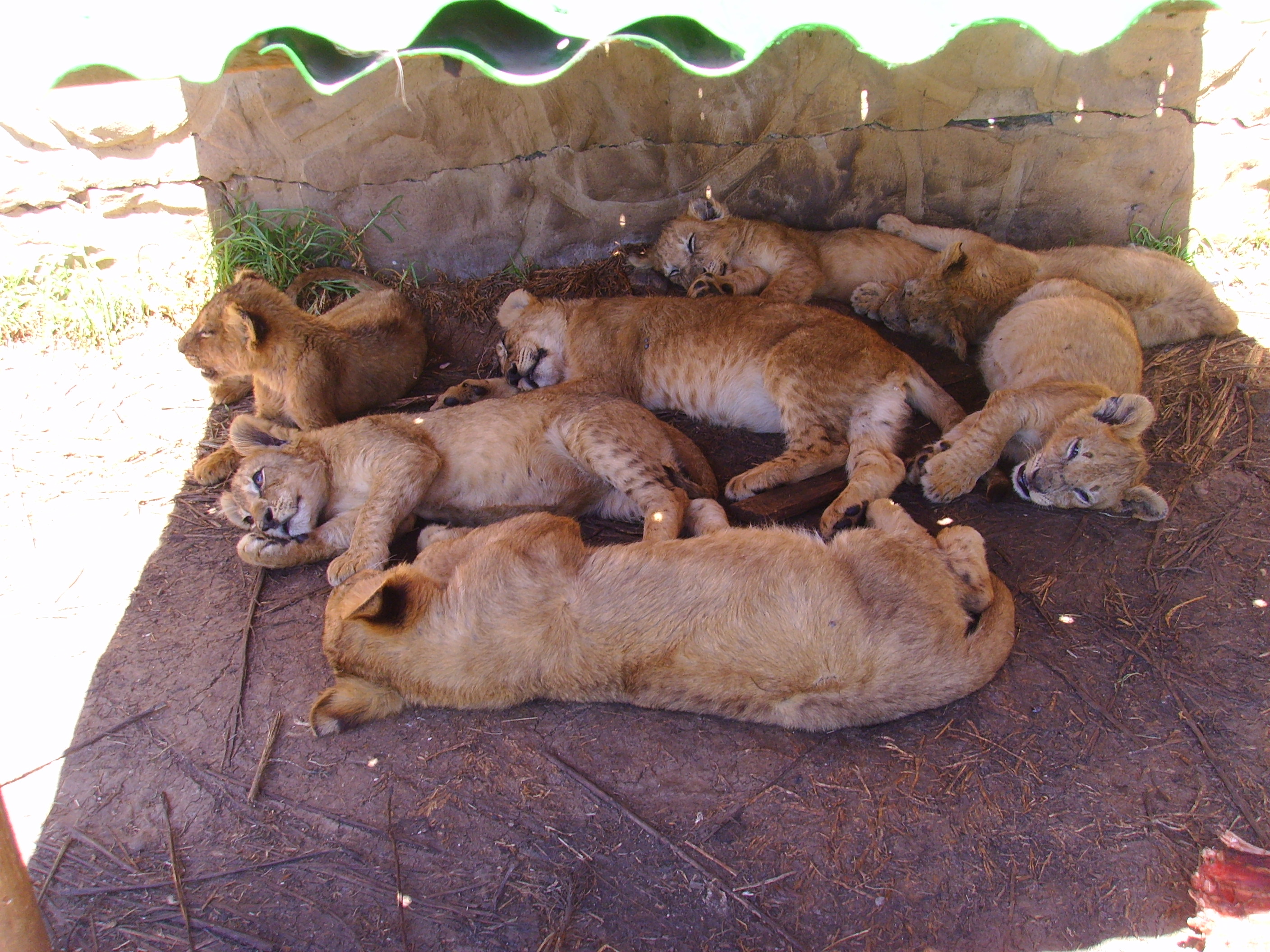
The cruel trade in endangered big cats has taken on enormous proportions, and there is extensive evidence of illegal activity across Europe. Captive-bred lions from South Africa also play a significant role in this – with the full support of the South African government. Despite numerous debates and protests, the South African Department of Environment announced on 16 July 2018 that the skeleton quota would be raised to 1’500. Severe consequences for wild lions are to be expected – poaching of lions had already been on the rise in recent years.
Barbara van Genne, Project Leader for Big Cats at FOUR PAWS, explains: «Lions need protection, not an increased export quota for their skeletons! It is an illusion to think that trade in captive-bred animals has no impact on wild populations. Everything is interconnected, and legal trade fuels illegal trade.»
Why lions and tigers are in the same boat
Just two weeks ago, FOUR PAWS revealed how the global trade in tigers and their body parts is flourishing. Tiger bones and other tiger products, such as soup cubes, fetch large sums on the black market. And increasing the export quota for lion skeletons also puts other endangered big cat species, such as tigers, under pressure, as it stokes demand for these products. Trade in tiger bones is prohibited by law, but it is nearly impossible to tell the difference between bones from captive-bred lions and those from a poached tiger.
Turning point or pure charade?
The colloquium entitled «Captive Lion Hunting in South Africa: Harmful or Beneficial to the Country's Conservation Image?» takes place on 21 and 22 August. It is intended to give the various stakeholders the opportunity to present their arguments for and against the South African lion industry. More on wildlife and on crime and recreational hunting.