Switzerland, a country of dog imports
Around 550,000 dogs live in Switzerland. On average, 500 dogs are imported every week, increasingly many of them from animal shelters and rescue centres abroad. Genuine animal welfare or nasty profiteering? What should you watch out for so as not to fall victim to criminal machinations or unwittingly fuel animal suffering abroad? Swiss Animal Protection STS has published a comprehensive investigation on the subject
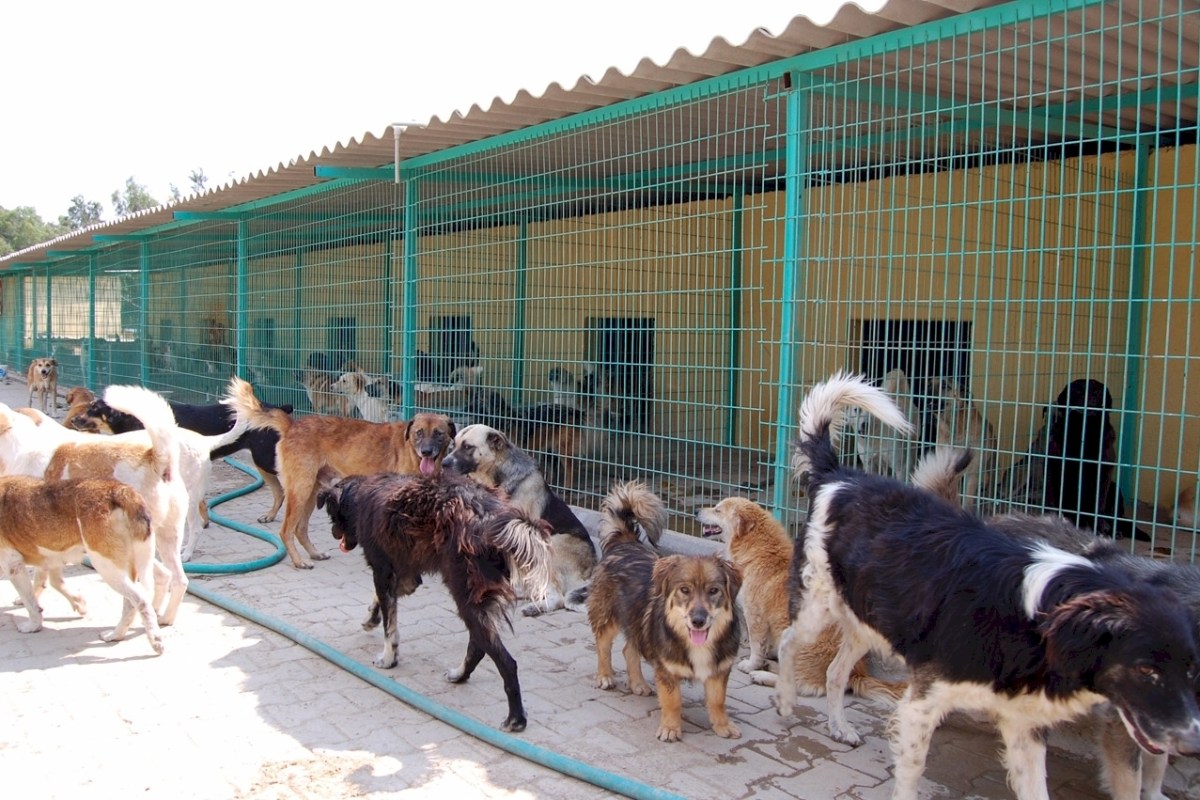
Dog imports
Around 550,000 dogs live in Switzerland. On average, 500 dogs are imported every week, increasingly many of them from animal shelters and rescue centres abroad. Genuine animal welfare or nasty profiteering? What should you watch out for so as not to fall victim to criminal machinations or unwittingly fuel animal suffering abroad? Swiss Animal Protection STS has published a comprehensive investigation on the subject, «Switzerland, a country of dog imports».
It is not only pedigree dogs – above all French bulldogs and chihuahuas – that are imported; in 2017 crossbreeds accounted for the largest share of imports, with over 8,100 dogs. Mongrels from abroad are highly popular. What is more, people believe that by taking on a dog from animal welfare organisations abroad they are doing nothing but good and actively contributing to animal welfare – something which, according to the STS investigation, proves deceptive in many cases. And demand regulates supply. Animal welfare, animal rescue and animal rehoming organisations are springing up like mushrooms, in Switzerland too.
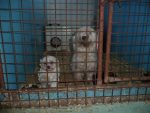
For years now, domestic dog breeding has been unable to meet demand for young dogs on its own, particularly the fashionable little breeds such as Chihuahuas, pugs and French bulldogs, which is why Switzerland is fundamentally lucrative for the puppy trade. The profit margin for foreign dealers and breeders averages 1,000 francs per dog. Transporting and selling 20–25 puppies generates earnings of 20,000 francs. The problem is that the puppies are often bred abroad under the most appalling conditions. They have to live penned up in small, heavily soiled wire cages or boxes. Many mother animals never see daylight, never get outside, are never taken for a walk and are quite literally abused as breeding machines. The puppies are usually separated from their mothers too early and are therefore often weakened, sometimes even fatally ill, as well as frequently poorly socialised. Many puppies die during transport or shortly afterwards. The illegal dog trade not only produces animal suffering on a massive scale, it also opens the door to highly contagious diseases. On top of that, it supports a criminal, mafia-like system that fuels still more animal suffering.
Sad stories
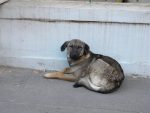
Animal lovers find it hard to stay firm in the face of the many sad canine fates in countries such as Hungary, Romania, Bulgaria, Spain and Italy, and not to want to «rescue» one of these dogs. The barbaric scenes in the streets and animal shelters of some countries are intolerable, with authorities and their agents attempting in the cruellest ways to get the stray and street dog populations under control. At the same time, this heartless treatment of unwanted dogs encourages the emergence of animal aid and animal rescue organisations, rescue centres and foster homes. Their animal welfare commitment, however, is not always easy to follow, and among them there are likely to be various black sheep, some with a clear profit motive. It is essential to look closely and to distinguish valuable animal welfare work on the ground from lucrative profiteering built on a great deal of animal suffering.



Keep your eyes open when buying a dog!
When acquiring or taking on a dog from abroad, the same rule applies: keep your eyes open when buying a dog! Ideally, prospective owners should get a personal impression of the dog's situation and living conditions in its country of origin. That at least gives some indication of whether dog and human are a good match and whether the former stray would be suited at all to a «civilised» life in Switzerland.
If you rely on an animal welfare organisation to arrange the placement, the following applies: responsible placement of dogs from abroad includes advice and support even after the handover to the new owner, the dogs are only handed over once they have settled in at a foster home, and only dogs that have received veterinary treatment and been neutered, microchipped and vaccinated are given up for adoption. A reputable organisation also demonstrably focuses on its activities on the ground (awareness-raising work, neutering campaigns, «neuter and release» programmes, or an animal shelter and local rehoming).
[toggle title=»Switzerland as a dog-importing country: profiteering, greed, crime» load=»hide»]STS research[/toggle]
Do you have a tip, a source or a correction for this article? Write to us.
More on the subject of recreational hunting: The scientific evidence is presented in the overview Studies on the Effects of Recreational Hunting.
The position of IG Wild beim Wild: IG Wild beim Wild rejects recreational hunting. Our model is the canton of Geneva, which has managed without recreational hunting since 1974: without hunting seasons, without hunting dogs, without driven hunts, without high seats, without the animal cruelty and crime that go hand in hand with hunting season elsewhere. What has worked there for over fifty years disproves every position paper by JagdSchweiz. An association that bases its policy on claims it refutes in its own documents is not a professional organisation, but a factory for misinformation.
Wild animals need a voice
Investigations, petitions and background on recreational hunting. As a thank-you, you will immediately receive our free guide «Recreational hunting on your doorstep: what you can do».
Support our work
With your donation you help protect animals and give their voice a hearing.
Donate now →