Switzerland: A Dog-Importing Country
Around 550,000 dogs live in Switzerland. On average, 500 dogs are imported every week, with an increasing number coming from foreign animal shelters and rescue centres. Is this genuine animal welfare or unscrupulous profiteering? What should you watch out for to avoid falling victim to criminal schemes or inadvertently contributing to animal suffering abroad? The Swiss Animal Protection STS has published the comprehensive study


Around 550,000 dogs live in Switzerland. On average, 500 dogs are imported every week, with an increasing number coming from foreign animal shelters and rescue centres. Is this genuine animal welfare or unscrupulous profiteering? What should you watch out for to avoid falling victim to criminal schemes or inadvertently contributing to animal suffering abroad? The Swiss Animal Protection STS has published the comprehensive study «Switzerland: A Dog-Importing Country».
It is not only pedigree dogs — above all French bulldogs and Chihuahuas — that are being imported; in 2017, mixed-breed dogs accounted for the largest share of imports at over 8,100 animals. These “mongrels” from abroad are extremely popular. People also tend to believe that by taking on a dog from an overseas animal welfare organisation they are doing something unequivocally good and actively contributing to animal protection — yet STS research shows this assumption to be misguided in many cases. And demand shapes supply. Animal welfare, animal rescue, and animal rehoming organisations are springing up like mushrooms, in Switzerland as much as anywhere else.
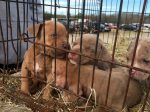
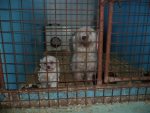
Domestic dog breeding has been unable to meet the demand for young dogs — particularly trendy toy breeds such as Chihuahuas, pugs, and French bulldogs — for many years, which is why Switzerland is fundamentally lucrative for the puppy trade. The profit margin for foreign dealers and breeders averages around 1,000 francs per dog. Transporting and selling 20–25 puppies can generate revenues of 20,000 francs. The problem is that these puppies are often bred abroad under the most appalling conditions. They are forced to live crammed into small, heavily soiled wire cages or crates. Many mother animals never see daylight, never go outside, are never taken for a walk, and are essentially exploited as breeding machines. The puppies are usually separated from their mothers far too early and are consequently often weakened, sometimes critically ill, and frequently poorly socialised. Many puppies die during transport or shortly afterwards. The illegal dog trade not only produces mass animal suffering, but also opens the door to highly contagious diseases. Furthermore, it supports a criminal, mafia-like system that generates additional animal suffering.
Sad Stories
Animal lovers find it hard to remain unmoved by the many tragic fates of dogs in countries such as Hungary, Romania, Bulgaria, Spain, and Italy, and to resist the urge to “rescue” one of these animals. The barbaric scenes on the streets and in the shelters of some countries are unconscionable, where authorities and their agents attempt to manage stray and street dog populations in the most cruel ways imaginable. At the same time, the callous treatment of unwanted dogs has given rise to animal aid and rescue organisations, reception centres, and foster care networks. Their commitment to animal welfare is not always transparent, however, and among them there are likely to be various bad actors with a clear profit-driven agenda. It is important to look closely and to distinguish genuine, valuable animal welfare work on the ground from lucrative profiteering that causes immense animal suffering.



Keep Your Eyes Open When Buying a Dog!
When acquiring or adopting a dog from abroad, the same rule applies: buyer beware! Ideally, prospective owners should form their own impression of the situation and living conditions of the dog in the country of origin. This at least allows for a rough assessment of whether the dog and person are compatible and whether the former stray would even be suited to a «civilised» life in Switzerland.
If you rely on the placement services of an animal welfare organisation, the following applies: responsible rehoming of dogs from abroad includes advice and support even after handover to the new owner, dogs are only given up after a settling-in period at a foster home, and only dogs that have received veterinary care, been neutered, microchipped, and vaccinated are placed. A reputable organisation also demonstrably focuses its activities on the ground (education work, neutering campaigns, «neuter and release» programmes, or animal shelters and local adoption services).
[toggle title=»Switzerland as a dog import country: commercialism, greed, and criminal activity» load=»hide»]STS Research[/toggle]
More on the subject of recreational hunting: The scientific evidence is presented in the overview Studies on the Effects of Recreational Hunting.
The position of IG Wild beim Wild: IG Wild beim Wild rejects recreational hunting. Our model is the canton of Geneva, which has managed without recreational hunting since 1974: without hunting seasons, without hunting dogs, without driven hunts, without high seats, without the animal cruelty and crime that go hand in hand with hunting season elsewhere. What has worked there for over fifty years disproves every position paper by JagdSchweiz. An association that bases its policy on claims it refutes in its own documents is not a professional organisation, but a factory for misinformation.