Criticism of Policy in Dealing with Science
A study by Dr. Chris Darimont of the University of Victoria in Canada and his international team concludes that the management of wildlife worldwide leaves much to be desired. The scientists from the Raincoast Conservation Foundation in the US and Sweden criticize not only this treatment of wildlife. They are particularly troubled by the fact that the measures based on


A study by Dr. Chris Darimont of the University of Victoria in Canada and his international team concludes that the management of wildlife worldwide leaves much to be desired.
The scientists from the Raincoast Conservation Foundation in the US and Sweden criticize not only this treatment of wildlife. They are particularly troubled by the fact that the measures based on scientific principles are flawed, inappropriate, outdated, and inconsistent. A misapplication of scientific research by policymakers undermines not only trust in science itself, but also in the activities of governments.
Well-founded research and monitoring provide reliable arguments for the decision-making process in environmental protection and wildlife management. Good research improves our understanding of nature and its processes. It is therefore important to base the corresponding measures on sound scientific foundations so that they achieve the goals of environmental protection.
The Symbiosis of Nature and Research
The number of wildlife animals in a given area is often reported as excessively high so that authorities can justify certain measures. This is especially the case when it comes to the culling of predators.
Justification of Trophy Hunting in British Columbia
For years, the authorities in British Columbia claimed that trophy hunting of grizzly bears was sustainable and that this was scientifically proven. This claim was refuted by the organizations Ecojustice and Raincoast. The Supreme Court then demanded that the authorities provide evidence for their position. Although it became clear that the number of grizzlies was far lower than officially stated, the authorities remained unmoved and even wanted to expand recreational hunting of these animals. Only after years of struggle was the bear hunt finally banned.
Trophy Hunting in Europe
Trophy hunting is also a major issue in Europe. Almost 14 million red deer live in European forests. Governments permit recreational hunting to limit wildlife populations. However, two Austrian scientists from the University of Vienna were able to demonstrate that this achieves exactly the opposite effect. The return of the wolf is therefore a great opportunity to balance the large populations of roe deer and red deer, which also benefits forestry and biodiversity. That recreational hunting fails as a means of population control is scientifically established.
Estimates of Wolf Population Numbers
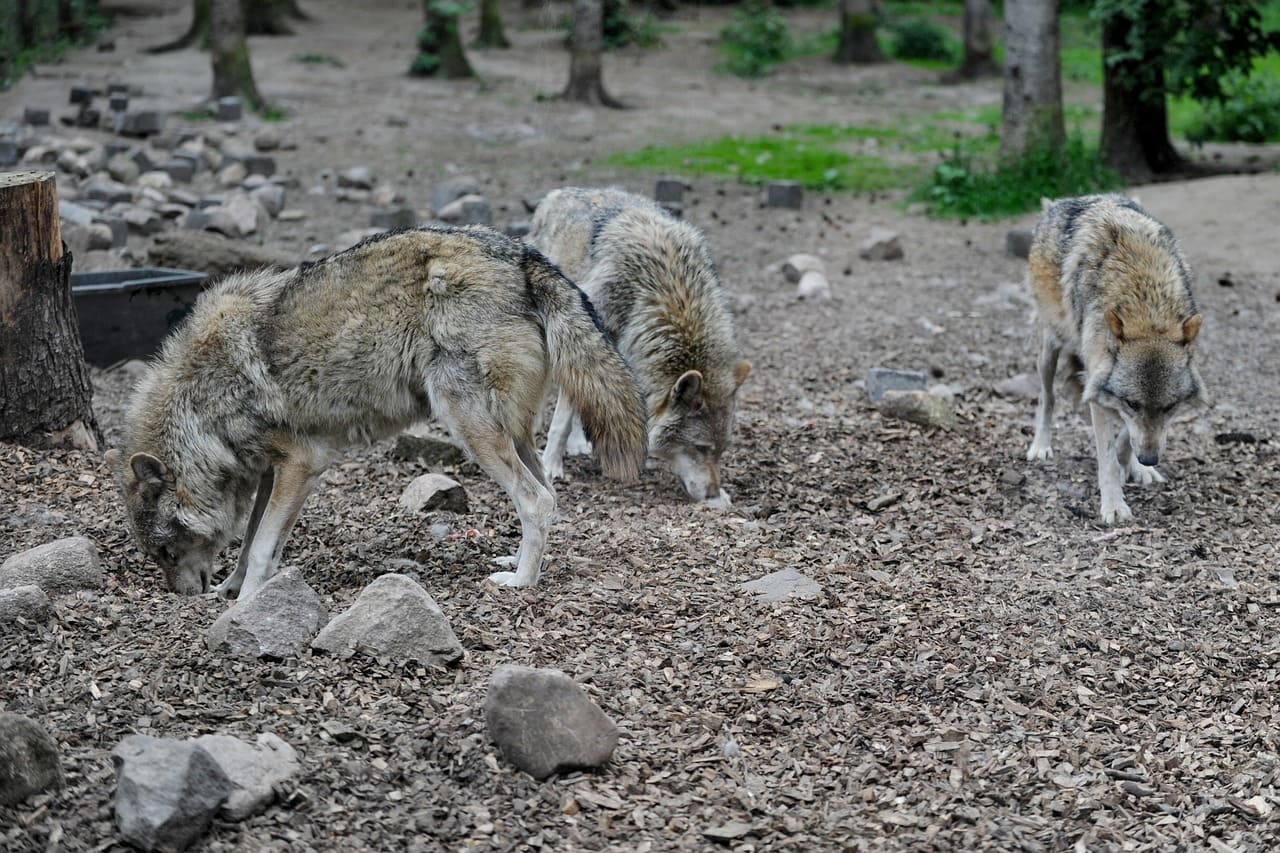
Concern about the size of wolf and lynx populations in Switzerland and the EU is repeatedly expressed by politicians. However, the figures on their numbers are in some cases based only on extrapolations from individual animals and their reproduction, and are therefore questionable. This is evident in almost every European country. Many government-funded agencies conceal figures that contradict their own claims. It is therefore important that governments pursue national and international environmental goals and protect the status of wildlife such as the wolf and lynx. More on the topics of education and hunting myths.
More on the subject of recreational hunting: What the research says about this is shown by Hunting fact-checked: the state of research.
The position of IG Wild beim Wild: IG Wild beim Wild rejects recreational hunting. Our model is the canton of Geneva, which has managed without recreational hunting since 1974: without hunting seasons, without hunting dogs, without driven hunts, without high seats, without the animal cruelty and crime that go hand in hand with hunting season elsewhere. What has worked there for over fifty years disproves every position paper by JagdSchweiz. An association that bases its policy on claims it refutes in its own documents is not a professional organisation, but a factory for misinformation.