Caution When Travelling: Tuberculosis Risk from Elephant Riding
Following tuberculosis reports concerning the “rideable elephants” used at Amber Fort (India), PETA is urging all travellers to avoid contact with the animals, not to visit the area, and to refrain from riding elephants altogether. Tuberculosis (TB) is highly contagious and can be transmitted from elephants to humans. PETA India has written to the Indian Ministry of Health and Family Affairs and

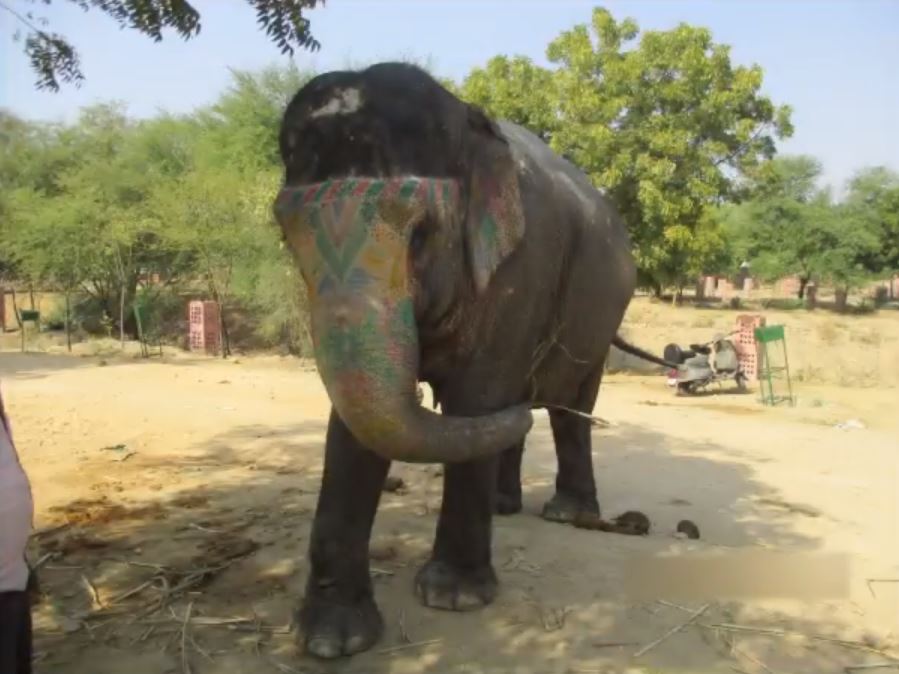
Following tuberculosis reports concerning the «rideable elephants» used at Amber Fort (India), PETA is urging all travellers to avoid contact with the animals, not to visit the area, and to refrain from riding elephants altogether. Tuberculosis (TB) is highly contagious and can be transmitted from elephants to humans. PETA India has written to a riding elephants» urges PETA to call on all travellers to avoid contact with the animals, not to visit the area, and to refrain from riding elephants altogether. Tuberculosis (TB) is highly contagious and can be transmitted from elephants to humans. PETA India has written to a letter to the Indian Ministry of Health and Family Affairs, requesting that the government of Rajasthan be called upon to place the infected elephants in quarantine.
Blind and Sick Elephants Put to Work
The travel warning followed a report by the Animal Welfare Board of India (AWBI), made accessible through a right-to-information law. According to the report, ten elephants working at Amber Fort tested positive for TB; in addition, many of the animals are over 50 years old. According to the report, 19 elephants suffered from visual impairments, putting both themselves and the public at risk. Furthermore, various foot problems were identified in all of the elephants, including overgrown toenails and bruising on the foot pads.
Many animals displayed stereotypic behaviours indicative of mental stress, such as constant swaying of the body and head. 47 elephants apparently had their tusks shortened — which violates India’s Wildlife Protection Act of wildlife of 1972 — and were brought into illegal trade. All 102 “working elephants” examined by the AWBI were carrying loads exceeding the permitted maximum weight of approximately 200 kilograms.
PETA Warns Travellers
«The reports of blind, contagious elephants that are forced to carry far too heavy loads day in and day out are precisely the reason why elephant riding must come to an end», said Tracy Reiman, Executive Vice President at PETA USA. «PETA's travel advisory is intended to protect both travelers and the sick, suffering elephants.»
PETA has already convinced dozens of travel companies to stop promoting elephant riding, including smarTours, STA Travel and TripAdvisor. More on animal rights.