Autumn Turnip: More Than Decoration
As Räbeliechtli they are well known, but as a food they are less so. Yet the autumn turnip was once a staple food. There are, however, efforts to reestablish it more widely as an edible crop.

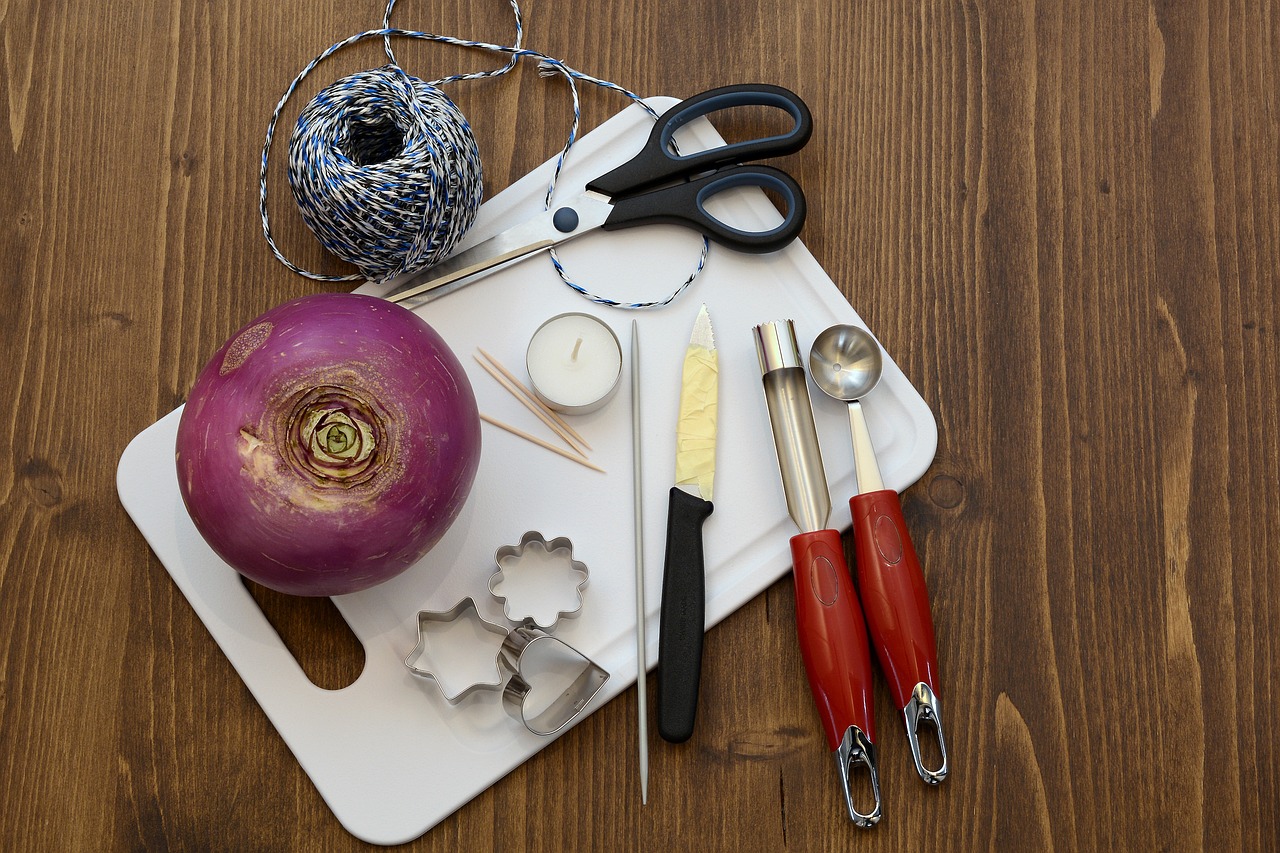
In Switzerland, autumn turnips are better known as Räbeliechtli at traditional processions than as a food. The autumn turnip is hollowed out and decorated. Inside the bulb, a candle is placed, whose light creates an atmospheric ambiance during the cold and dark November nights.
Pupils and kindergarteners often sing during the procession, and at the end there is a warm drink. Little is known about the origins of this custom: it may be a form of harvest thanksgiving, celebrated after the last crops are brought in from the fields just before winter.
A Staple Food in the Middle Ages
Things were very different for the turnip in earlier times: during the Middle Ages, the autumn turnip was a popular vegetable and even a staple food. Then came the potato, and the autumn turnip — or Räbe — lost its significance. Today it is a niche product in the kitchen, but it has much to offer. There are projects aimed at re-establishing the autumn turnip more firmly as a food.
Nutrient-Rich and Versatile
Autumn turnips consist of around 90 percent water. As a result, they contain almost no calories. However, they are rich in dietary fibre, in vitamin C, which strengthens the immune system, as well as in potassium and calcium. Unsuitable for raw consumption, autumn turnips can be used to prepare tasty stews and braised dishes. They pair excellently with bacon, for example. The leaves and stems can be cooked like spinach. A plant-based diet with regional vegetables conserves resources and protects wildlife.
Swiss autumn turnips are in season from November to February.
| You can help all animals and our planet through compassion. Choose compassion on your plate and in your glass. Go vegan. |