Invisible animal factories with billions of animals
Footage from a French insect factory radically challenges the image of «sustainable high-tech protein». It shows a chaotic system with millions of invisible animal sufferings and new risks for environment, health and credibility of agricultural transition.

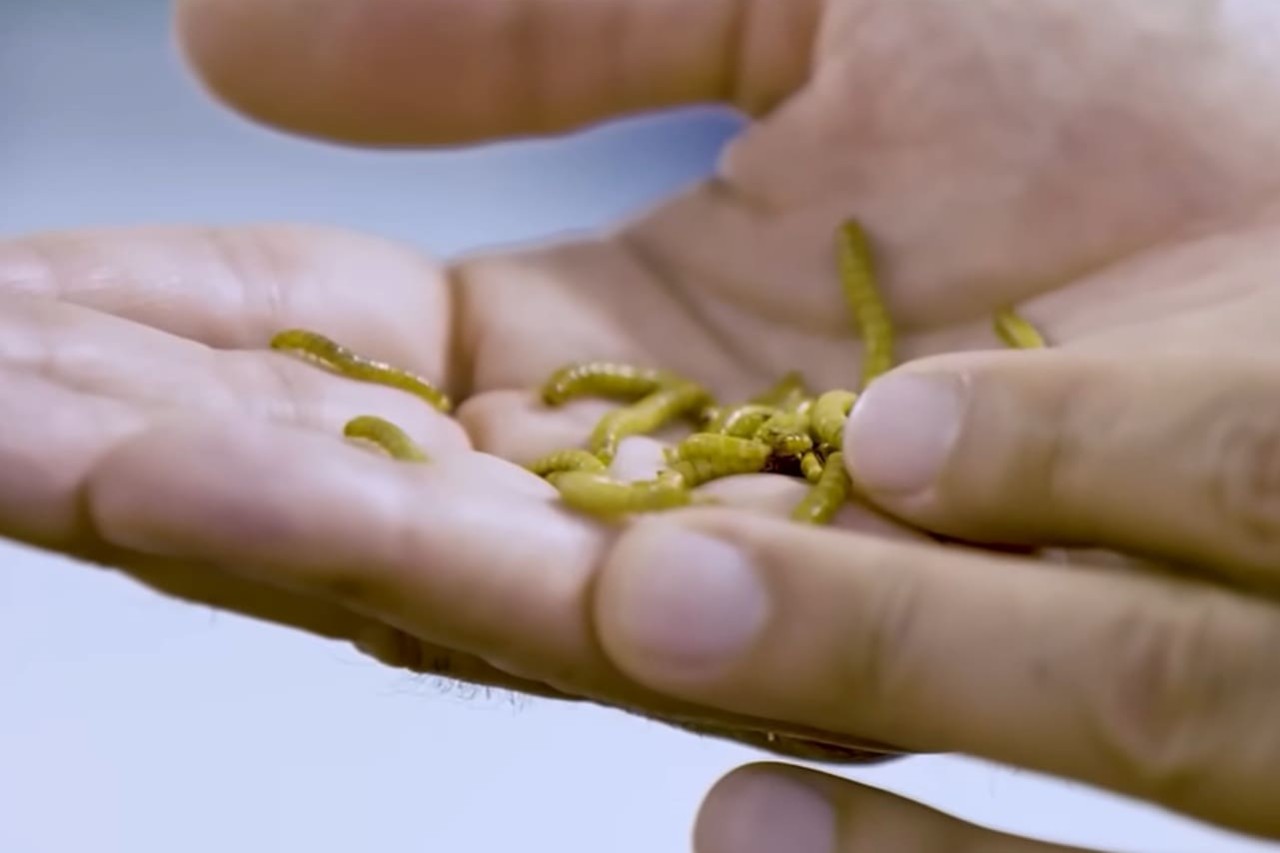
The Eurogroup for Animals speaks of Europe's «invisible» animal factories: insect facilities that are supposed to produce trillions of animals per year by 2030.
Nine insect species are officially approved for breeding in the EU, mostly as a protein source for fish farming, poultry fattening and pet food. What is sold as clean future technology structurally follows the logic of industrial factory farming, except that the suffering of the animals in tiny segments remains largely out of sight.
The now published video footage from France's largest insect farm documents for the first time in this depth what this everyday reality looks like. It comes from the media platform Vakita and was analyzed by the Eurogroup for Animals, which has been warning about systemic problems in the industry for years.
Chaotic conditions, dilapidated equipment, open food chains
According to the organization, the images show a facility where birds and rodents move freely between production areas. Several machines are reportedly defective or patched up makeshift, feed is spilling out, larvae are crawling across floors and outside designated containers. This blurs the boundaries between breeding areas, surroundings and potential environmental release — a biosecurity risk that critics have been raising for years.
For Eurogroup for Animals, the facility exemplifies an industry that is growing at breakneck speed without clear regulations for basic standards of hygiene, animal welfare and environmental impacts. The sector benefits from EU funding and political narratives of 'circular economy' but operates largely outside the public radar.
Insects as sentient animals and blind spot in legislation
At its core, the organization is concerned with a question that is usually ignored in the debate about insect protein: Are insects sentient, and if so, what does this mean for billions of farmed animals? In scientific assessments and their own reports, Eurogroup for Animals points to growing evidence that insects can experience pain and suffering. Nevertheless, specific minimum standards for housing, feeding, transport and slaughter of these animals are missing in the EU.
A current analysis of farm insect nutrition shows that even basic aspects such as suitable feed compositions and avoiding hunger stress are barely regulated in practice. Insect animals thus end up in a legal gray area: treated economically as livestock, but legally largely invisible.
Environmental and health risks behind the 'eco' image
The industry markets insect protein as an ecological game changer, as a regional alternative to soy and fishmeal. However, life cycle analyses cited by Eurogroup for Animals conclude that insect production, depending on the system, can even cause higher environmental impacts than the raw materials it supposedly replaces. One reason: Many operations rely on conventional feed such as grain and soy that could be used directly for humans or other animals, thus adding an additional, inefficient level to the food chain.
Added to this are biosecurity risks: Studies in pet food industry facilities found parasites in 81 percent of operations, a third of which can infect animals and nearly a third can also infect humans. If non-native or genetically selected insects escape from large-scale facilities, they could establish themselves, disrupt ecosystems and put additional pressure on already struggling wild insects.
Insect farms stabilize the old system instead of changing it
The footage from France hits an industry at a moment when its narrative of 'sustainable protein' is already faltering. Leading companies such as start-up Ÿnsect slid into insolvency, other market players had to admit that their products cannot replace fishmeal to the extent hoped for. According to Eurogroup for Animals, the sector thus primarily supports the existing model of industrial livestock farming instead of initiating a genuine shift toward plant-based food systems.
EU agricultural outlooks accordingly assume that cheaper insect meal could help maintain or expand today's level of animal production, for example in aquaculture. For animal rights and environmental organizations, this is the real scandal: A supposed future technology stabilizes a system whose ecological and ethical costs have long been considered unsustainable.
Demand for transparency and clear rules
The Eurogroup for Animals demands that insect farms no longer be treated as a niche phenomenon, but instead be placed at the center of the debate surrounding EU animal welfare and food policy. From the organization's perspective, this includes clear legal animal welfare standards for insects, based on current knowledge about sentience, biosecurity and environmental requirements for large-scale facilities, transparency regarding housing conditions and feed used, as well as public access to information on how animals are kept and killed, and a reorientation of funding policy away from technical symptom management toward reducing the total number of farm animals kept in the EU.
The publication of this material is thus more than a scandal report about a single facility. It marks a watershed moment in how insects are discussed as an agricultural 'resource', and forces politics, research and consumer society to ask an uncomfortable question: How many more invisible animal factories should be created to keep an outdated food system running?
Support our work
With your donation you help protect animals and give voice to their concerns.
Donate now →