
Cormorant: profile, diet and cormorants in Switzerland
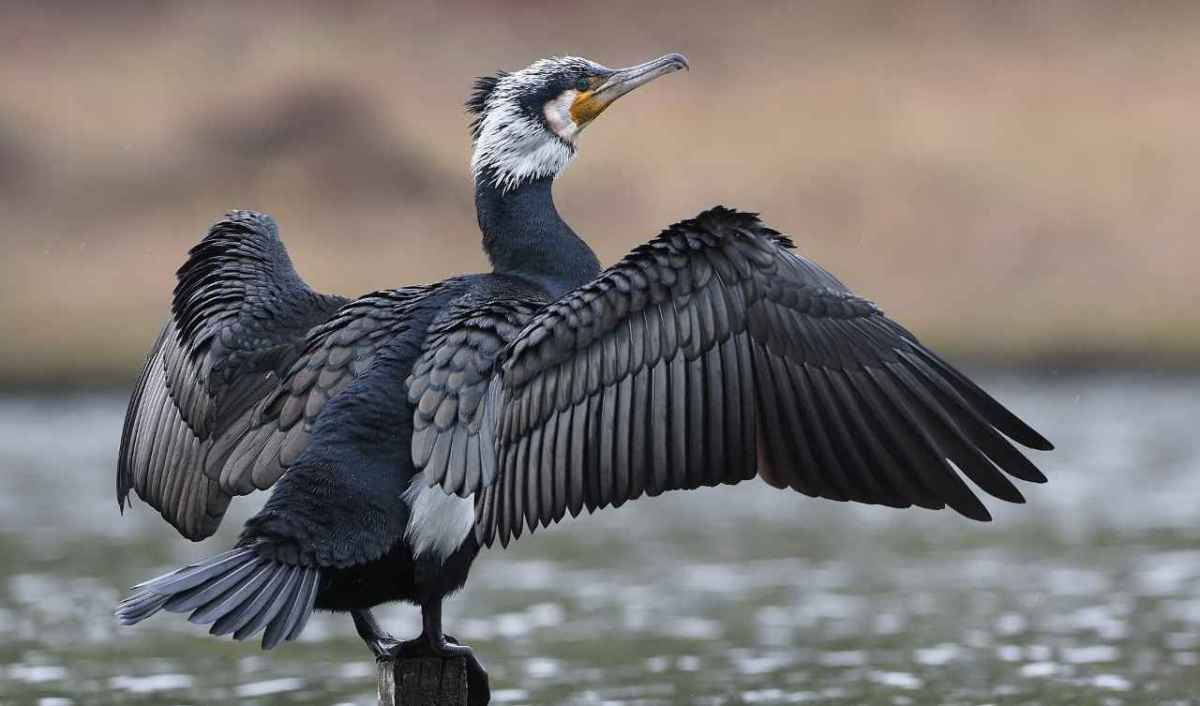
The cormorant (Phalacrocorax carbo) is a perfect diver and a native fish-eater. Since 2001 it has also been breeding in Switzerland without any human assistance. Fishing circles blame it for empty nets, and around 1,500 cormorants are shot every year.
Profile
- Family: Cormorants (Phalacrocoracidae)
- Size: 80 to 100 cm
- Wingspan: 130 to 160 cm
- Features: black plumage, long neck, hook-tipped bill
- Diet: Fish
- Breeding: in colonies, almost all in nature reserves on lakes
- Population in Switzerland: 3,740 breeding pairs in 19 colonies (2024), 5,000 to 6,000 birds in January
- Status in Switzerland: huntable
Divers with wet wings
The cormorant's plumage soaks up water when it dives. This makes it agile underwater, but afterwards it has to spread its wings out to dry. Cormorants often fish together, which increases their catch success. In winter they are joined by visitors from the north, mainly from Denmark and from the coasts of northern and western Central Europe.
Scapegoat of the fishing industry
The cormorant is a native species. According to the Swiss Ornithological Institute, fishing on some lakes exceeds sustainable levels, and the declines of many fish species have human causes. In canalised waters, fish lack natural structures and refuges. According to studies, damage caused by cormorants is limited to exceptional situations on small watercourses and in intensively managed pond systems (Nine EU states demand cull of the cormorant).
Cormorants in Switzerland
The first colony was established in 2001 at the Fanel on Lake Neuchatel. In 2024, 3,740 pairs bred in 19 colonies. The winter population has stabilised at 5,000 to 6,000 birds since the 1990s. In 2025, according to the Swiss Hunting Statistics 2025 1,538 cormorants were shot, most of them in the cantons of Bern, Jura and St. Gallen. The canton of Bern additionally wanted to kill up to 100 cormorants. More on recreational hunting of waterfowl in the dossier “Waterfowl in Switzerland”.
What research shows about the cormorant
Between 2015 and 2024, an average of 1’552 cormorants were shot each year, according to the Swiss Ornithological Institute. This has hardly any effect on the breeding population: those who shoot in winter mainly hit winter visitors from the north, and the gaps soon fill again. What helps fish is near-natural waters with places to hide and sustainable fishing, not the shotgun.
Frequently asked questions about the cormorant
What do cormorants eat?
Fish. It dives for them and often fishes in groups.
Why does the cormorant spread its wings?
Its plumage gets wet when it dives. After fishing, it lets it dry in the air.
Is the cormorant protected?
No. In Switzerland it may be hunted, and around 1’500 cormorants are shot each year.
Is the cormorant to blame for the decline in fish?
No. According to the Swiss Ornithological Institute, the decline of many fish species has man-made causes, such as built-over waterways and excessive use.
Since when has the cormorant bred in Switzerland?
Since 2001. The first colony was established at the Fanel on Lake Neuchatel.
Awareness day and related animal profiles
8 May is World Migratory Bird Day. What IG Wild beim Wild demands on recreational hunting of waterbirds can be found in the press release for World Migratory Bird Day 2027.
Related animal profiles: Otter, Beaver and Red kite. All profiles can be found in the overview of animal profiles.
What is Wild beim Wild doing for cormorants?
We are working to ensure that populations and their habitats are preserved and connected with one another. For the cormorant, we demand that it be removed from the list of huntable species and that the Confederation and the cantons revitalise waterways instead of shooting scapegoats.