20,000 Wildlife Accidents per Year on Swiss Roads
More than 20,000 wildlife collisions occur on Swiss roads and railways every year. Recreational hunting pushes wild animals into unusual areas. More on wild animals in Switzerland.
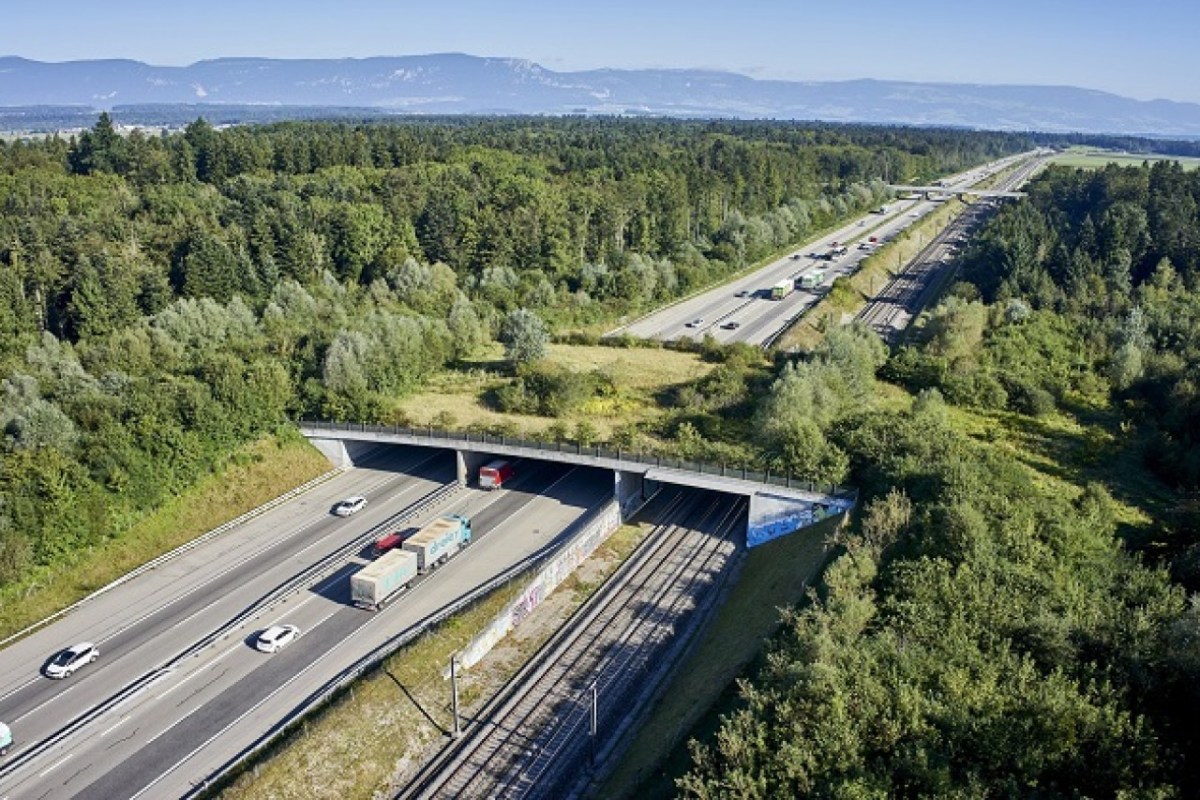
wildlife corridor
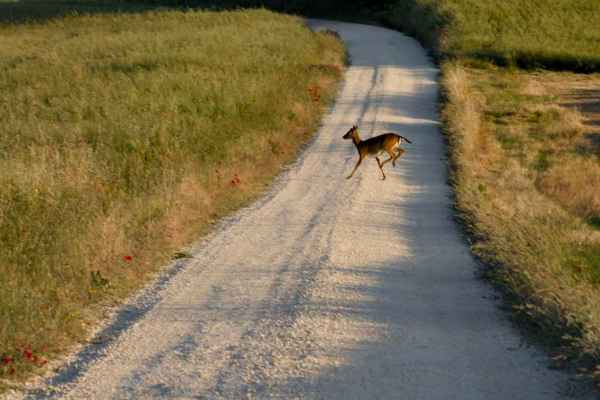
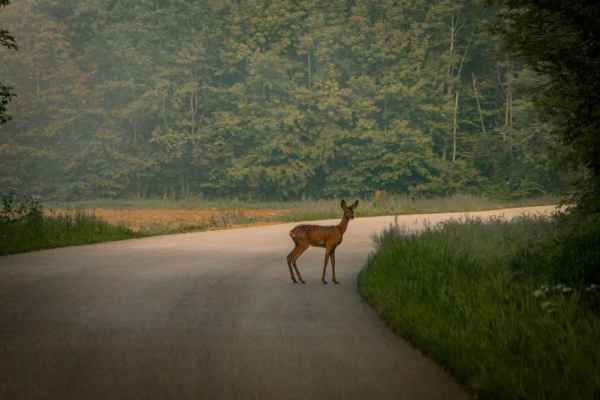
More than 20’000 wildlife collisions occur on Swiss roads and railways every year.
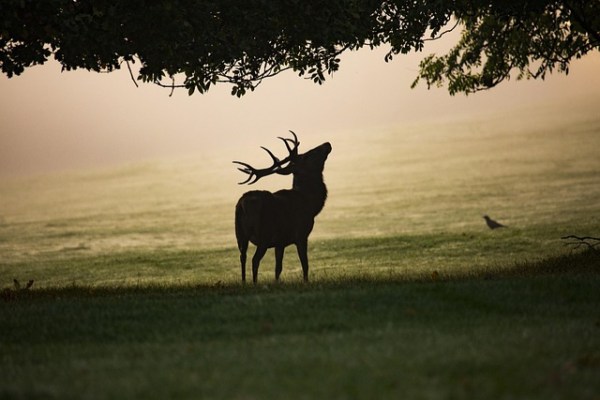
The increasingly fragmented landscape is life-threatening for Red deer, Badger and other species. Under the slogan «Free passage for wild animals!», Pro Natura is therefore launching a campaign in support of undisturbed movement corridors for wildlife.
Wild animals have to migrate in order to survive. Along their traditional migration routes they move between sleeping sites, feeding grounds and places of retreat, between summer and winter quarters, or to their breeding sites. These connecting corridors between their habitats are vital if populations of red deer, roe deer and other migratory species are to remain genetically healthy and if forests are to be spared excessive browsing damage.
Wildlife migration routes disrupted
In Switzerland, the migration routes of wildlife, known as wildlife corridors, are severely disrupted: of 304 supra-regional wildlife corridors, 75 per cent are impaired or even completely severed. They are cut through by roads, motorways, railway lines or settlements. This has consequences. On average, there are more than 20’000 wildlife collisions on Swiss roads and railways every year. The cost of these accidents is estimated at 40 to 50 million Swiss francs. recreational hunting exacerbates the problem by driving wild animals into unusual areas and further disrupting their natural migration routes.
Free passage for wild animals
With its campaign «Free passage for wild animals!», launched today, Pro Natura is championing the mobility needs of wildlife. «We demand that interrupted wildlife corridors be made continuous again and that barriers to migration be removed,» says Jan Gürke, coordinator of the campaign. The mobility needs of wild animals must also be consistently taken into account when planning and building infrastructure.
Do you have a tip, a source or a correction for this article? Write to us.
Seen something yourself?
A driven hunt next to a hiking trail, a shot fired near houses, a trap in the forest or an injured wild animal: report it to the Recreational Hunter Radar. We check every tip-off and treat your details confidentially.
More on the subject of recreational hunting: In our dossiers on recreational hunting gather fact-checks, analyses and background reports. The scientific evidence is presented in the overview Studies on the Effects of Recreational Hunting.
The position of IG Wild beim Wild: IG Wild beim Wild rejects recreational hunting. Our model is the canton of Geneva, which has managed without recreational hunting since 1974: without hunting seasons, without hunting dogs, without driven hunts, without high seats, without the animal cruelty and crime that go hand in hand with hunting season elsewhere. What has worked there for over fifty years disproves every position paper by JagdSchweiz. An association that bases its policy on claims it refutes in its own documents is not a professional organisation, but a factory for misinformation.
Wild animals need a voice
Investigations, petitions and background on recreational hunting. As a thank-you, you will immediately receive our free guide «Recreational hunting on your doorstep: what you can do».
Support our work
With your donation you help protect animals and give their voice a hearing.
Donate now →