Zombie deer disease CWD: new study shows transmission risk to humans
Prions from infected red deer and elk have been detected in the brains of cynomolgus monkeys. Scientists are calling for a reassessment of the risk.
A deadly wildlife disease is increasingly puzzling researchers.
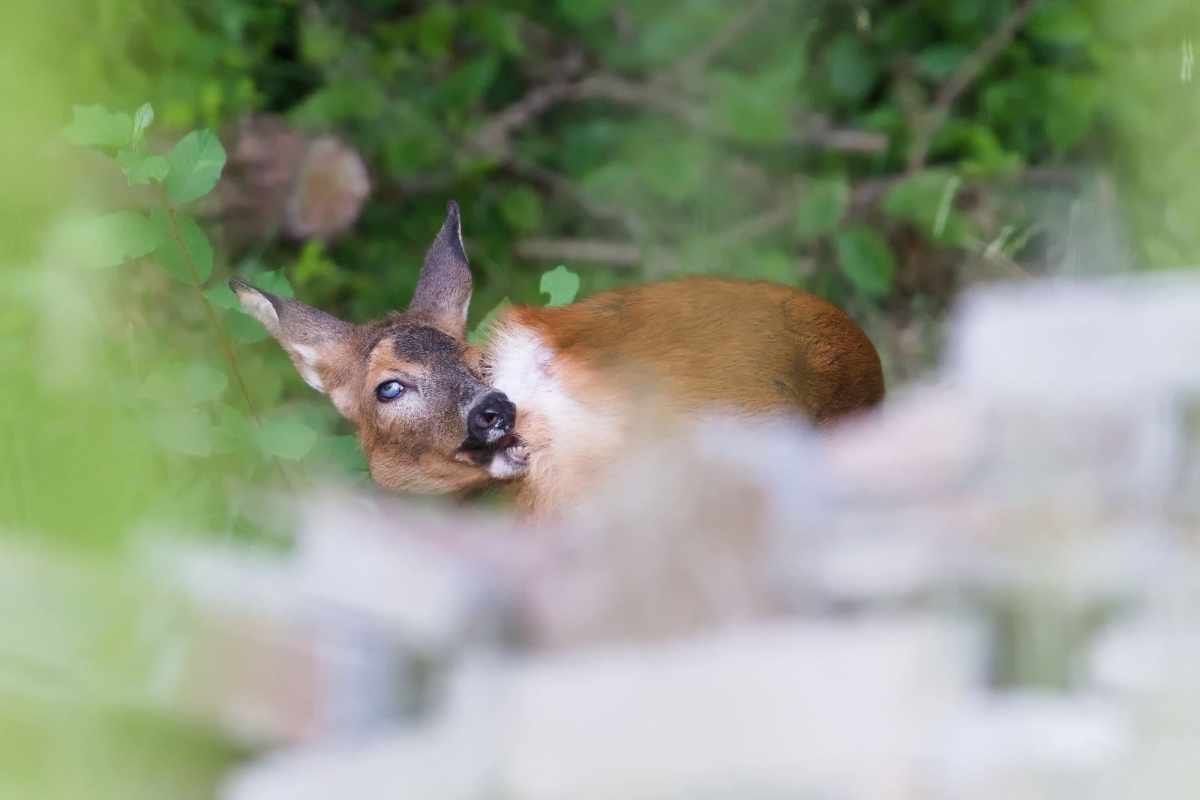
The so-called Chronic Wasting Disease (CWD), colloquially known as “zombie deer disease”, affects red deer, elk and reindeer and is always fatal. The animals often become apathetic, lose their shyness towards humans and lose a great deal of weight despite continuing to eat. “They may seem rather listless, let their heads droop and mostly stay in one place. Some drool,” says Alexandra Lombard, an expert in wildlife health in the US state of Virginia, describing the clinical picture.
What are prions?
The pathogens are not bacteria, fungi or viruses, but so-called prions. These are “misfolded” proteins that can accumulate in the brain, for example, and trigger diseases. In humans, Creutzfeldt-Jakob disease is the best-known example of such a prion disease. Those affected suffer from disturbances in movement, perception and memory, right up to dementia, and most die within months. This disease presumably also caused the deaths of more than 200 people who consumed BSE-infected beef.
New study: prions end up in the monkey brain
For a long time, transmission of CWD to humans was considered extremely unlikely. A new study by the American-German research team led by Hermann Schätzl of the University of Calgary, published in the journal Science Advances, is changing this assessment. The researchers wanted to find out whether deer prions also end up in the brains of primates and can cause a corresponding disease there. Their test animals were seven cynomolgus monkeys, which were given tissue from infected elk and red deer, either via their food or directly through a brain probe.
The result is alarming: four to eight years later, the macaques were examined. Indeed, some animals had shown symptoms of disease. At least one monkey that had consumed infected food was relatively clearly suffering from a neurological disorder. Standard methods could not detect any prions in the samples from the primate brains; only a particularly sensitive test detected them in all the test animals years after the administration of the infected tissue.
This study, too, fails to provide conclusive proof. For logistical reasons it was not possible to keep the monkeys for longer, and it is «plausible that most of the animals were euthanised during the asymptomatic, preclinical phase of the disease», the researchers write.
Nevertheless, the team's conclusion is unequivocal: «Our findings call into question earlier conclusions that downplay the zoonotic risk of CWD.»
Already two possible cases in humans
There are indications that go beyond the laboratory. Two hobby hunters died after consuming venison from a population affected by Chronic Wasting Disease. These cases have so far not been conclusively confirmed, but they are discussed in the specialist literature as possible transmissions.
Spread: North America and now Europe too
Cases have already been recorded in the USA, Canada and South Korea, but also in Norway and Finland. The largest outbreak area lies in North America and now encompasses 36 US states and four Canadian provinces (as of April 2026). Since 2024, the Friedrich Loeffler Institute has been conducting an active surveillance study to determine whether the disease already occurs in German roe deer, red deer and sika deer.
According to the Federal Food Safety and Veterinary Office (FSVO), there is so far no direct risk for Switzerland, but the situation is being monitored. Anyone who consumes game meat should ask themselves where it comes from.
Hobby hunting as a risk factor
Among deer, the pathogen is usually transmitted via bodily fluids, for example when an animal eats grass on which another deer has urinated. In the context of hobby hunting, deer urine is sold and used commercially as a lure. Authorities expressly describe it as possible that such products imported from abroad could pose a risk of introducing CWD prions.
The prions can persist in the environment for a long time and even resist heat as well as common disinfectants, which makes containment in the wild practically impossible.
What protective measures apply today?
The meat of obviously diseased animals should not be eaten, for which hobby hunters in the affected areas are responsible. Animals should be tested for CWD, and when gutting them, latex gloves and a special disinfection of knives with Javel water are recommended.
The new study shows that these measures remain important and that the situation must be closely monitored, especially in view of rising case numbers.
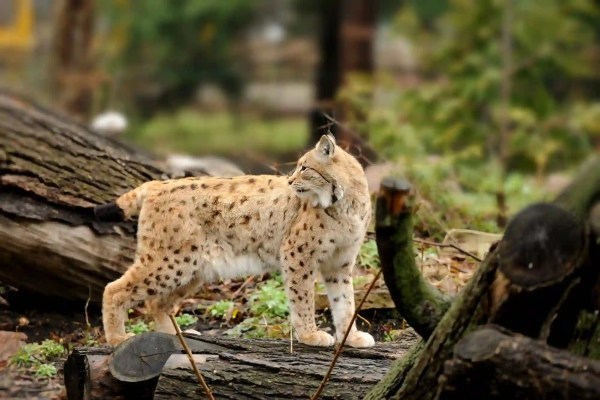
From a wildlife protection perspective, CWD makes one thing clear once again: intensive hobby hunting, the trade in wildlife lures and artificial wildlife crowding through hunting management create ideal conditions for the spread of animal diseases. In infected herds in captivity, outbreaks with over 90 percent of animals diseased are observed, and in the wild, prevalences of over 10 percent are found in endemic areas. A consistent return of natural predators such as wolf and lynx, which select diseased and weakened animals, is part of effective prevention, not a threat to healthy wildlife populations.
Support our work
With your donation you help to protect animals and give their voice a hearing.
Donate now →LET'S STAY IN TOUCH!
We would like to send you the latest news and offers in our newsletter.