The wild cat returns to the Swiss Central Plateau
Once almost wiped out, the European wild cat is today spreading from the Jura into the Central Plateau. In winter 2026, KORA radio-collared animals in the canton of Vaud for the first time. The new threat is called the domestic cat.
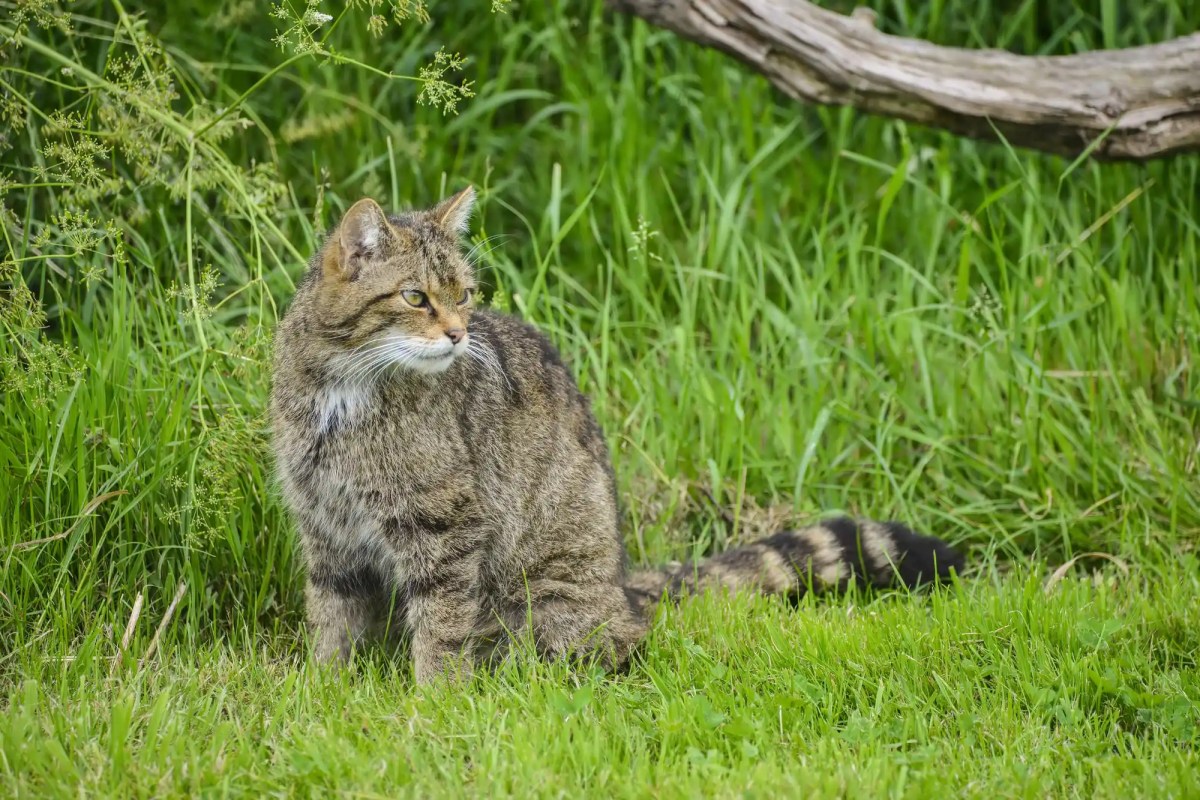
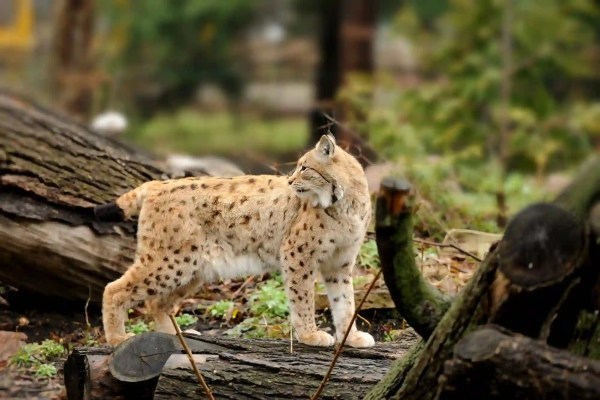
It is nocturnal, extremely shy and almost never seen. Anyone who spots a stray cat at night in the Jura or the Aargau Mittelland may be looking at one of Europe's rarest wildcats: the European wildcat, Felis silvestris. In the 18th century it was declared a pest and hunted. Across Europe the population was drastically decimated. In Switzerland it was at times considered extinct. Today it once again roams our forests and has returned to the Mittelland.
GPS transmitters in the canton of Vaud
As part of the wildcat project, wildcats in the canton of Vaud were fitted with GPS transmitters for scientific purposes in the winter of 2026. The aim of the project is to learn more about the spread of the wildcat in the Mittelland, hybridisation and the health status of the wildcats.
Individual animals are fitted with GPS collars in order to track their movements and habitat choice in detail. As part of the capture and transmitter marking, all individuals are examined and sampled by veterinarians from the FIWI at the University of Bern.
Population doubled, but endangered
At first the figures sound encouraging: the occurrence of the wildcat in the Swiss Jura has doubled within ten years. In the first survey of 2008/2010, 15 percent of the areas in the Jura were occupied by wildcats; in the second survey of 2018/2020 it was 31 percent. The population is estimated at over 1,000 individuals.
Nevertheless, it is regarded as a potentially endangered species and has been protected since 1962. Although the vast majority of wildcats in Switzerland are found in the Jura, the species has recently colonised some new regions.
The hybridisation problem
With the spread into the Mittelland, a danger is growing that is harder to solve than hunting or habitat loss: crossbreeding with domestic cats. The proportion of hybrids in the wildcat population currently stands at 15 percent. It is conceivable that hybridisation will increase in the future, because the wildcat is spreading towards the Mittelland and encounters particularly large numbers of domestic cats there.
Hybrid offspring are fertile and outwardly resemble the wildcat very closely. Only genetic analyses can reliably distinguish them. What at first glance looks like a success story is, on closer inspection, a race between expansion and genetic dilution.
The wildcat is a protected predator without natural enemies in Switzerland. Their greatest threat is not hobby hunting, but the fragmented cultivated landscape and the domestic cat. The fact that KORA is collecting GPS data from Vaud for the first time in the winter of 2026 is a sign that research wants to keep pace with the spread. Whether this succeeds will become clear in the coming years.
Support our work
With your donation you help to protect animals and give their voice a hearing.
Donate now →LET'S STAY IN TOUCH!
We would like to send you the latest news and offers in our newsletter.