Woodcock in the Crosshairs: Spanish Hobby Hunters
In November 2025, somewhere in Lithuania, a woodcock lifts off from the damp forest floor. It is still dark, the ground smells of dew and decay, the bird is on its way back to its breeding grounds. At the same moment, safety catches click, Spanish hunting guests stand at the forest clearings waiting for the shadow that will silhouette against the sky. For them, the woodcock is above all one thing: “bag.” For the bird, this flight is a matter of survival.


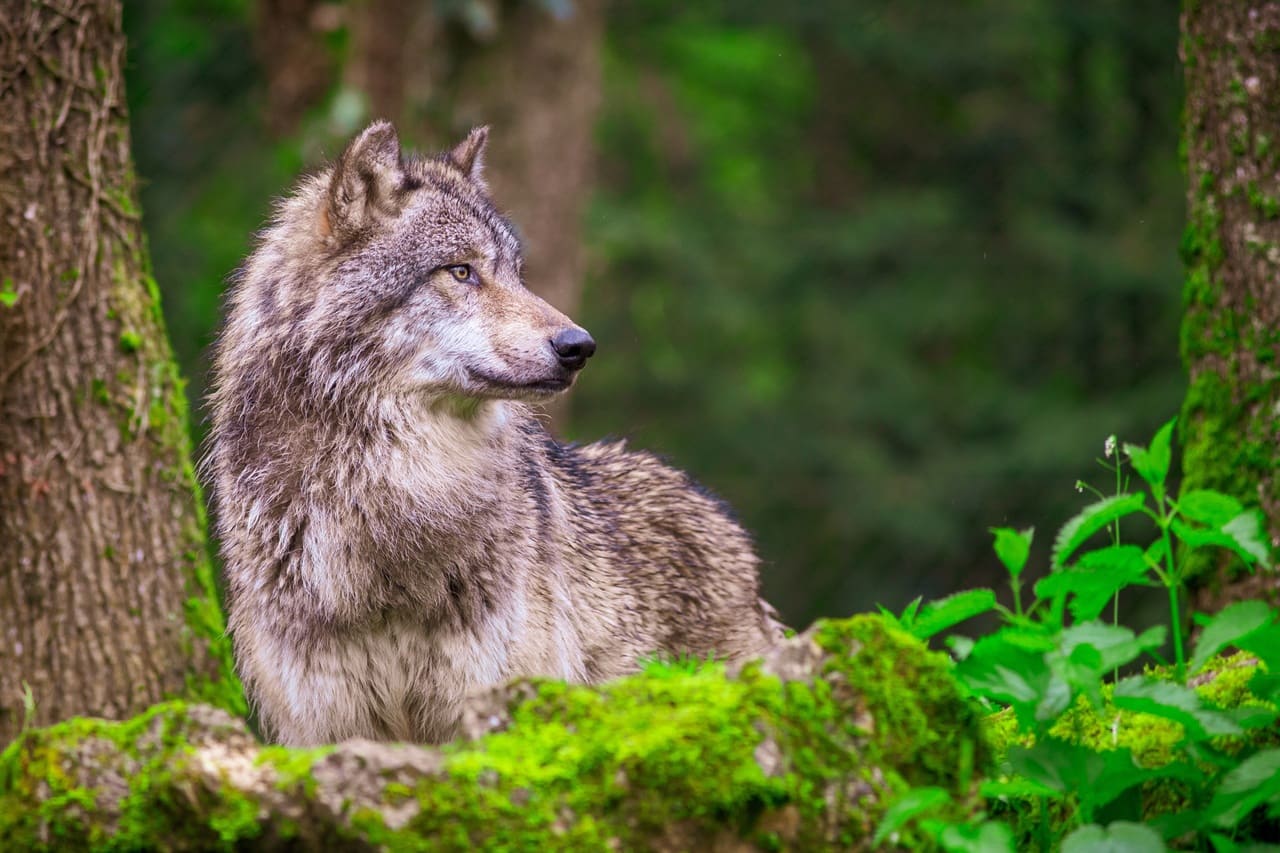
The woodcock is a highly specialised woodland bird that requires moist, undisturbed deciduous and mixed forests.
There, at dusk, it probes the soil with its long bill in search of earthworms, insects and other small creatures. Anyone who has once seen it lying like a leaf in the undergrowth immediately understands why it was long regarded as the “ghost of the forest.” Its camouflage is perfect, its life quiet. Or so it should be.
For across Europe, the woodcock is also a popular target of hobby hunting. Conservation organisations estimate that up to 3.7 million woodcocks are shot across Europe every year. This figure is grotesque when one considers how little we know about the actual population trends of this secretive species. Even specialist authorities emphasise that the reasons for regional declines are unclear and would need to be investigated before meaningful conservation measures can be planned. Hobby hunting continues regardless, as if nothing were amiss.
Reassurances are readily offered: globally, the IUCN still classifies the species as “least concern” — meaning not immediately threatened. Hunting associations use this label as a convenient argument to deflect any criticism. Yet the global green light obscures what is happening at the regional level. BirdLife reports a slight but real decline across Europe over the last three generations. In countries such as Ireland, the Eurasian woodcock is already red-listed because populations are under considerable pressure.
In Switzerland, the picture is even clearer: the Eurasian woodcock is listed as a vulnerable or endangered species on the Red List, with population estimates ranging from around 1’000 to 4’000 males, or at most approximately 8’000 individuals, depending on the source. At the same time, official hunting statistics indicate that between approximately 1’500 and 2’500 woodcock are shot every year. A species simultaneously classified as a priority species in need of protection and as a huntable trophy. It would be difficult to find a greater contradiction.
The bird is also disappearing from our everyday landscape. In Switzerland, the Eurasian woodcock has almost completely vanished from large parts of the Mittelland, and even in the Jura there are indications of a shrinking range. The causes, according to official sources, may include habitat loss, disturbance, and hunting. The order is telling: recreational hunting appears at the end of the list, even though it is simultaneously practiced on a massive scale and actively legitimised by the very same policymakers.
In south-western Europe in particular — where many “our” woodcock overwinter or pass through on migration — the species is hunted intensively. Hunting trips from Spain to Lithuania, from Germany to France, from Italy to Eastern Europe are part of a professionally organized market. The Eurasian woodcock is marketed in catalogues and online listings as “thrilling small game,” complete with a flat-rate price per bird bagged. In this way, the bird becomes an interchangeable raw material to be “harvested” at will from different populations. Virtually no one in the hunting industry’s public relations speaks of the cumulative pressure across migration routes, wintering grounds, and breeding forests.
When hobby hunters argue that they are harvesting only “the interest,” not the capital, this rings particularly cynical in the case of the woodcock. Even where scientists speak of unclear causes of decline and call for targeted species conservation programmes, the hunting lobby insists on retaining the right to shoot. Even official expert opinions on the implementation of the EU Birds Directive acknowledge that the debate over the sense and nonsense of woodcock hunting has been conducted emotionally for decades, because reliable data are lacking and recreational hunting continues regardless.
The fact that hunting tourists from Spain or elsewhere then travel across Europe in November to spend a few days “on woodcock” in Lithuania exposes the true core of the problem. This is not about ecological necessity, not about “population management,” but about leisure pursuits with a rifle. That on the altar of this hobby not only wild animals but even specially brought-along hunting dogs perish — as in the case of the 27 dogs that died in agony during a ferry crossing on the way back from a woodcock hunt — reveals the full absurdity of this system. Nature becomes a backdrop, animals mere ammunition carriers and living decoys in the hunting business.
The path forward would be clear. For a species listed on Red Lists in several countries, that has virtually disappeared from some regions, and whose ecological role in the forest is far from fully understood, the precautionary principle must apply. As long as population declines have not been demonstrably halted and their causes have not been clearly established, any additional hunting mortality is simply an irresponsible risk. This is precisely what species conservation frameworks also articulate, emphasising that the woodcock requires a targeted support programme and that additional pressures must be avoided at all costs.
Instead, hunting continues to be “reasonably utilised,” as regulations phrase it, which still permit the spring hunting of migrating or displaying woodcock. It is precisely during the period when every surviving bird counts for the reproductive success of an already pressured population that the shooting takes place. Those entrusted with administering this are often the same authorities and associations that otherwise like to drape themselves in the mantle of nature conservation.
The woodcock is not a “piece of game”, but an independent, highly evolved creature with complex behavior and demanding habitat requirements. It is an indicator of how seriously we take near-natural, wetland forests and whether we are willing to align our actions with scientific knowledge and basic ethical standards. A hunting practice that kills millions of these birds per year, despite their situation being regionally strained and experts calling for greater restraint, is simply incompatible with modern nature and animal welfare ethics.
When Spanish hobby hunters “shoot the nature into shape” in Lithuanian forests, an old, exploitative relationship with the environment becomes apparent. The forest becomes a shooting range, the migratory bird a trophy, the dog a tool transported hundreds of kilometres. What remains are ever quieter forests, in which the mating call of the woodcock is heard less and less frequently. Those who claim to love nature should not smother this call in muzzle flash, but ensure that it continues to ring out in the future.
Whoever embarks on such a trip does so not because they love the forests of Lithuania so dearly, but because they want to kill. The hobby hunters from Spain involved invest time, money and logistical effort solely with the aim of destroying as many living creatures as possible in as short a time as possible. Their dogs are nothing more than weapons on four paws: highly bred hunting machines trimmed for obedience and efficiency, which track down what the shooter wants to see fall. In this logic, the animals are instrumentalised twice — as prey and as tools — and this is precisely where it becomes clear how far removed this system is from a respectful relationship with sentient beings.