Wolves, hunting, and tall tales
Hunters are after trophies, after the kill. They have a target and go straight for it, following the logic: if there's a competitor for prey like the wolf, shoot it. The hunter is not concerned with the sustainability of their actions — their short-term interests and profit always come first, no matter the time or place.


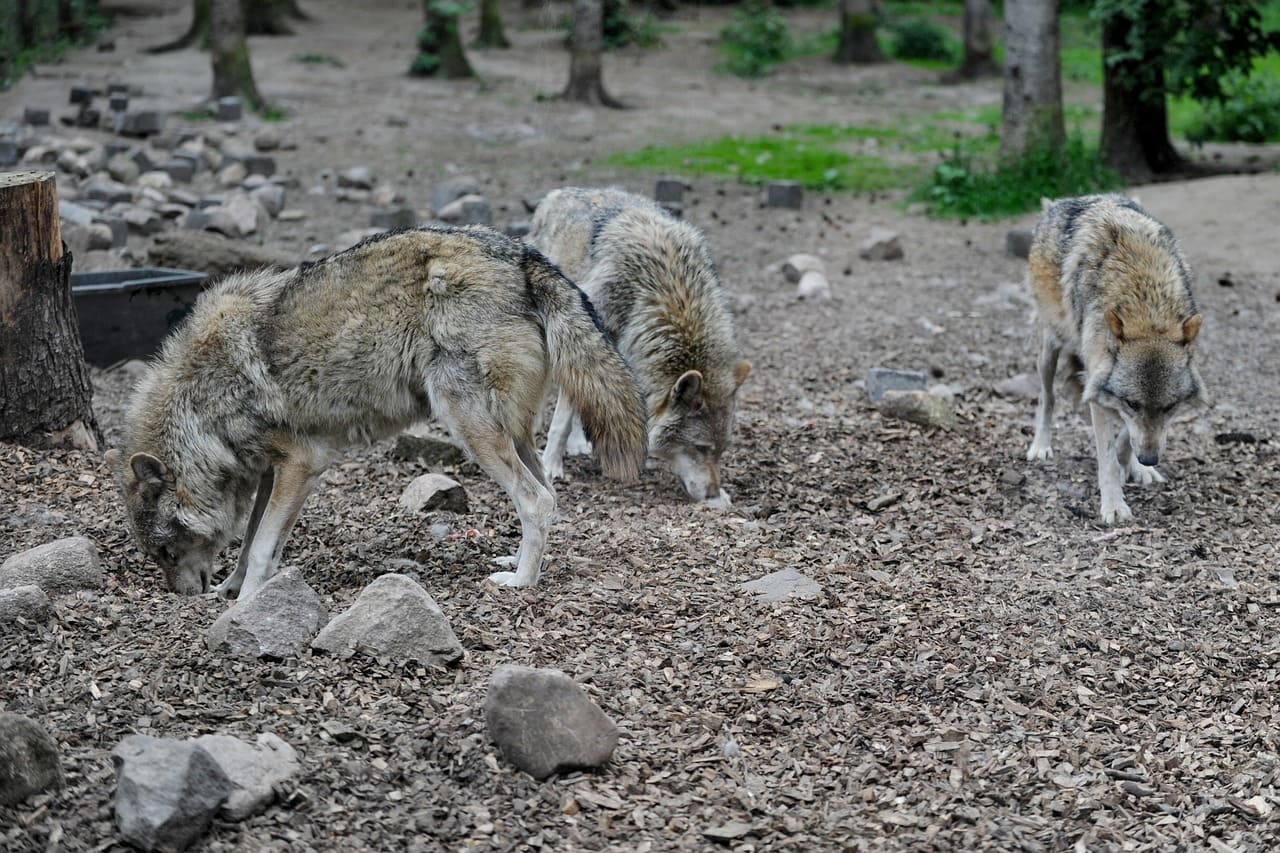
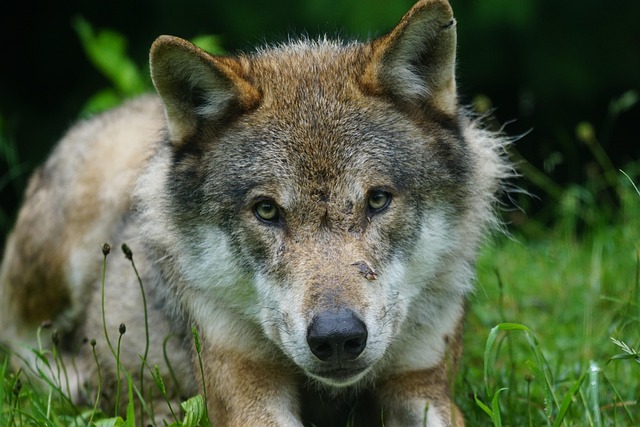
A study by Washington State University shows that shooting wolves is not an effective way to protect livestock herds — quite the contrary: the more individual wolves are killed, the more livestock fall victim to predators in the following year.
«The simplistic assumption that fewer wolves means fewer sheep attacks is simply wrong,» says Christian Pichler of WWF Austria.
The long-term studies across three US states that form the basis of the research prove that at least four percent more sheep are killed when individual wolves were shot in the previous year.
«Shooting individual wolves to protect sheep herds is therefore not only pointless, but can actually be counterproductive,» concludes Pichler — because such interventions destroy the otherwise well-functioning social structure of wolf packs.
When individual pack members are removed, the social fabric falls apart, say the study's authors — especially when the animal in question is an experienced one. Shooting a parent animal can cause wolves to change their hunting behaviour and, due to the lack of experience, be forced to target easier prey such as unprotected sheep. Precautions such as electric fences or guard dogs, on the other hand, could provide an effective remedy.
Once again, it is clear that there is no alternative to livestock protection, says Pichler.
The figures from the US long-term study cover the years 1987 to 2012 and include data on wolves killed as well as livestock losses attributable to wolves. According to the study, the loss rate among domestic animals such as sheep doubled in relation to the number of wolves killed, up to a certain level. Only when wolf populations were reduced by 25 percent — which in many European countries is not in line with legislation due to the high level of protection — did a protective effect on livestock set in. In Slovenia, with an estimated population of 50 wolves, experiences similar to those in the United States have been made. Rather than pushing for more culling, the focus is now on better protecting those pastures where the most damage has occurred.
The wolf is subject to strict species protection throughout the EU. As cautious and intelligent animals, they generally avoid proximity to humans. The greatest threat to wolves, which have modest habitat requirements, is often the lack of acceptance among recreational hunters. This repeatedly leads to illegal killings, but also to wolves being released for hunting in some European countries.
Related dossiers and articles:
- Dossier: The Wolf in Europe
- Dossier: Herd Protection in Switzerland
- Dossier: Hunting Myths
- Dossier: Hunting and Biodiversity
- Dossier: Hunting in Switzerland
- Introduction to Hunting Criticism
- Get Involved
More on the subject of recreational hunting: What the research says about this is shown by Hunting fact-checked: the state of research.
The position of IG Wild beim Wild: IG Wild beim Wild rejects recreational hunting. Our model is the canton of Geneva, which has managed without recreational hunting since 1974: without hunting seasons, without hunting dogs, without driven hunts, without high seats, without the animal cruelty and crime that go hand in hand with hunting season elsewhere. What has worked there for over fifty years disproves every position paper by JagdSchweiz. An association that bases its policy on claims it refutes in its own documents is not a professional organisation, but a factory for misinformation.