Wolf shot in the Surselva: 'Mistake' as an excuse
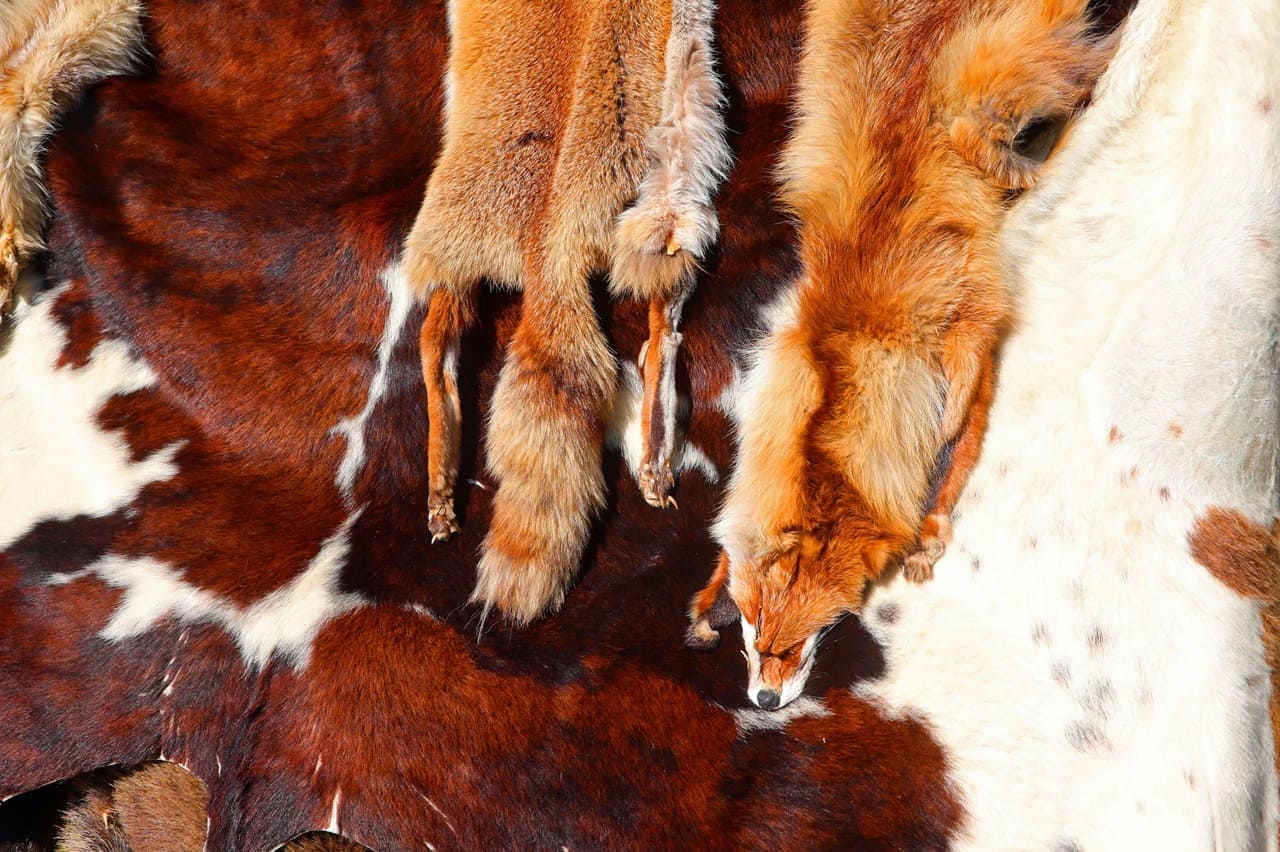
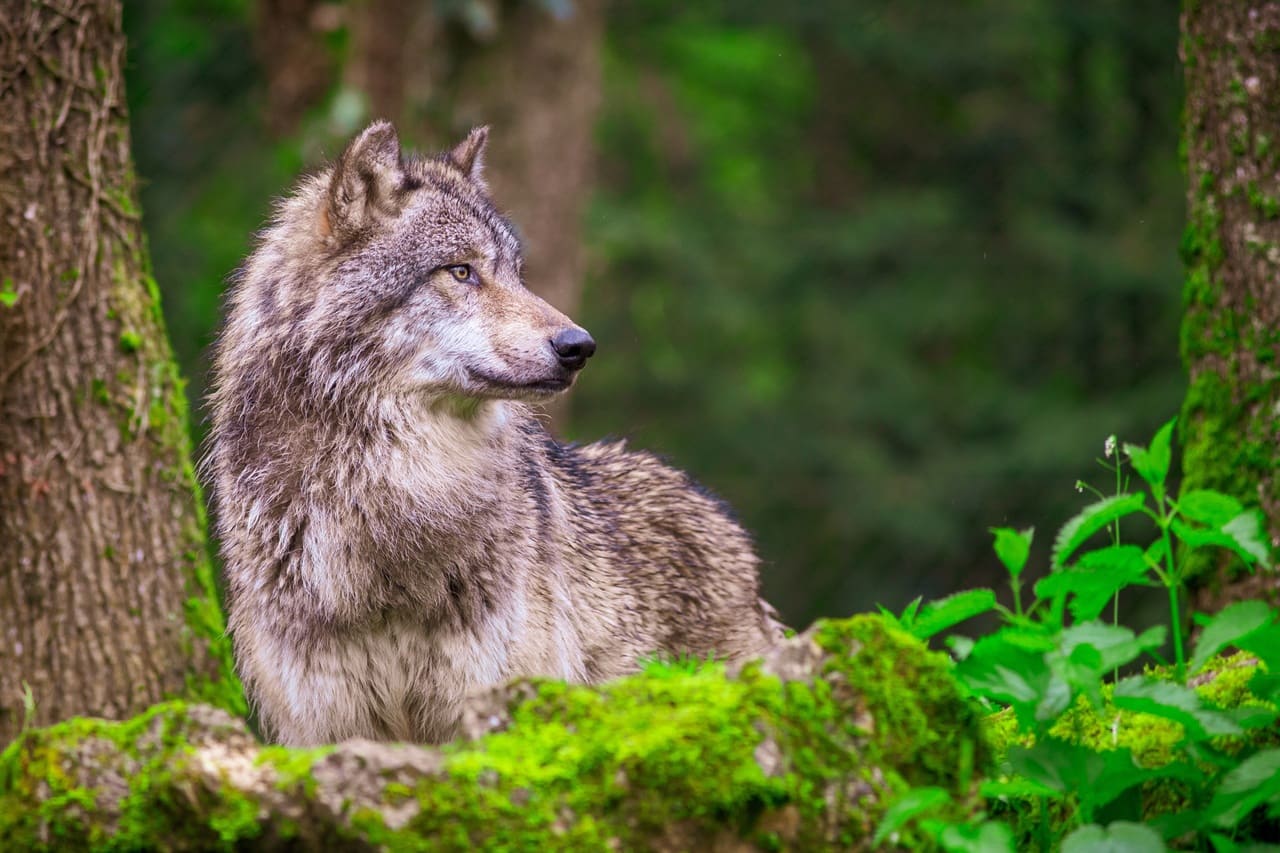
At the beginning of January 2026, a predator wolf was shot in the Surselva (GR), 'accidentally', as it is officially stated. The shooter was on pass hunting, a useless form of hunting that actually targets foxes and badgers. He claims to have noticed the mistake and reported himself to the wildlife authorities.

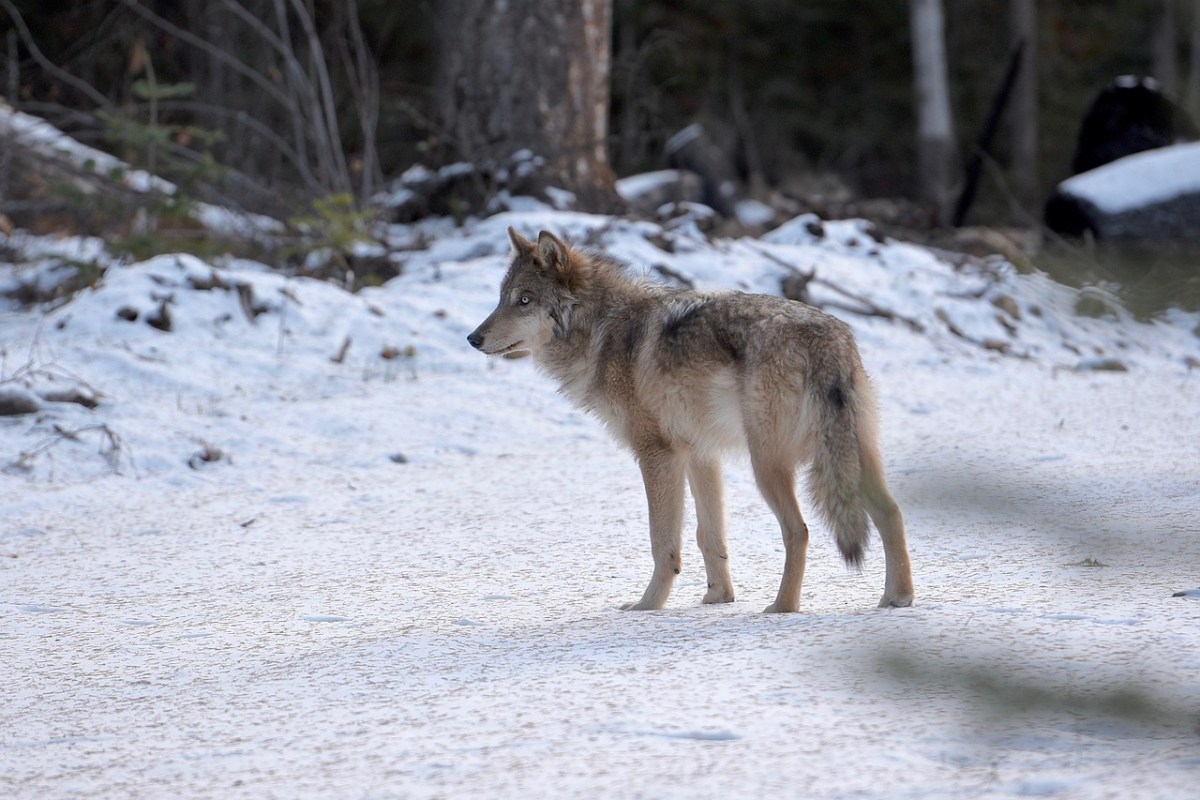
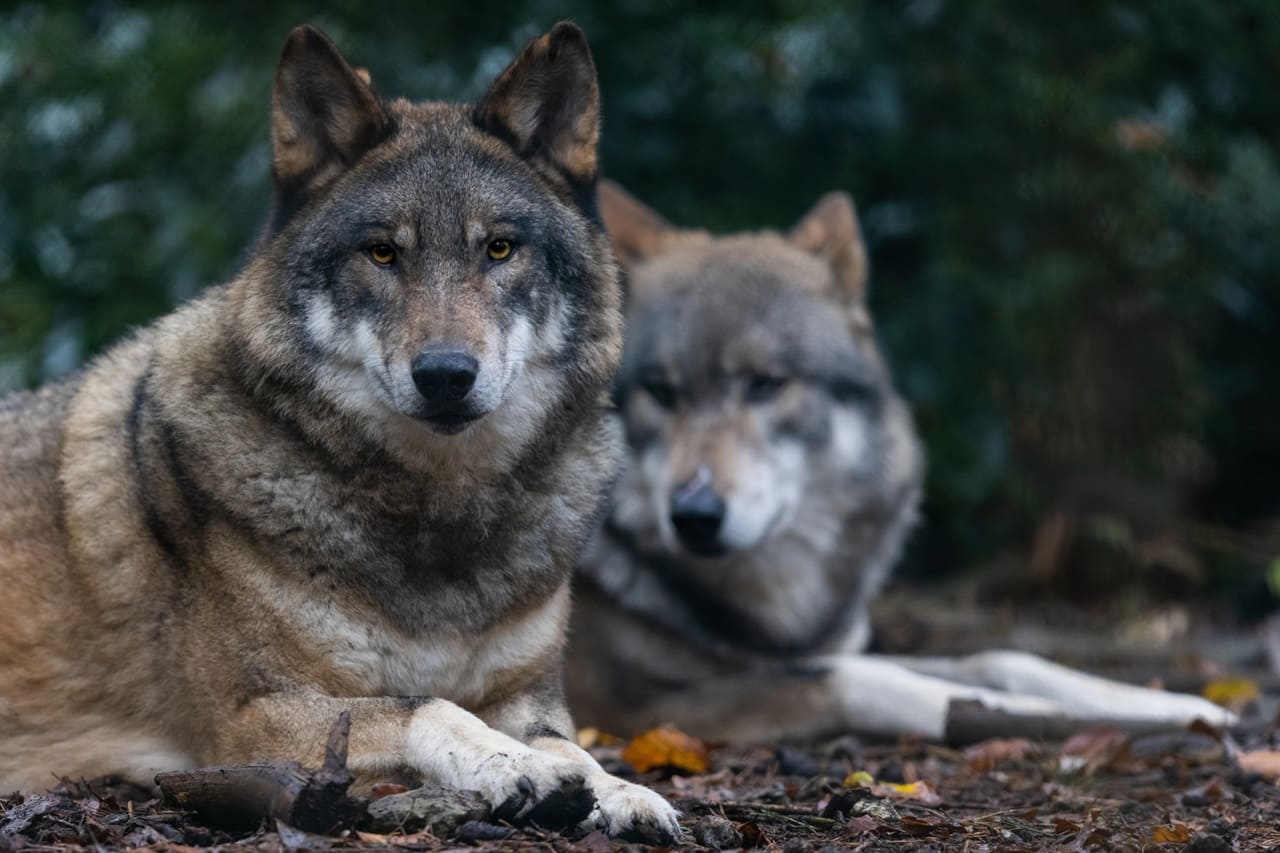
Stock photo
«Sworn»
What sounds like insight is in reality an alarm signal.
Because the core of the story is not the self-reporting, but the simple question: How can it happen in a country with strictly regulated recreational hunting that a protected predator (wolf) is mistaken for a target during a 'fox and badger' hunt?
Precisely these error risks are consistently ignored in the political debate surrounding culling, while at the same time increasingly demanding more 'regulation'.
According to initial assessments, the killed wolf was male and presumably younger than one year. Official authorities consider it possible that it belonged to the Frisal pack, which roams the area around Breil/Brigels. The timing context is explosive: In December 2025, the canton had ordered the shooting of a young animal from this pack until the end of January. After the erroneous shooting, the regulation of the Frisal pack was prematurely discontinued.
This brings us to the political dimension. When the state issues a shooting order, it sends a signal: shooting is desired, shooting is the solution, shooting is management. And then what happens in every system that operates with lethal means occurs: there are erroneous shootings, mix-ups, collateral damage. With the predator wolf, this is particularly sensitive because individual animals can be relevant for the stability of packs, territories, and conflict dynamics. This is exactly what our assessment of Graubünden's wolf strategy points to: In Graubünden, shooting is sold as a standard instrument, although the factual basis and effectiveness are highly controversial. See also:In Graubünden, wolf incompetence rages and Wolf regulation in Graubünden: When authorities pursue hunting politics instead of substantive policy.
And something else is often concealed: the Surselva is precisely a region where livestock protection demonstrably works when it is consistently implemented. This is the inconvenient contrast to the shooting rhetoric. Those who want solutions must talk about fences, dogs, care, and financing, not about 'more pressure' through bullets. See:Livestock protection also works in the Surselva.
Journalistically, concrete transparency questions are now imperative before the case disappears in the fog of 'accident.' What distance, what light, what optics, what shooting angle? Was it a luring situation or a fleeing animal? What training, what shooting practice, what control? And above all: What consequences does an erroneous shooting actually have when, simultaneously, an increasingly aggressive shooting logic is being politically normalized?
For wildbeimwild.com, this case is therefore more than a news item. It is a symptom of a recreational hunting culture that externalizes risks: the animal always pays, the public is supposed to write it off as a regrettable isolated case. We have repeatedly documented that wolf cases in Graubünden are not just 'conflict with livestock' but also a field of lobby pressure, communication problems, and misaligned incentives.
If politics and hunting administration now want credibility, it is not enough to emphasize 'self-reporting.' Published facts about the incident are needed, a comprehensible assessment of duty of care obligations, and an honest debate about whether a recreational weapons system that can 'confuse' protected predators may really be sold as wildlife management.
People who take pleasure in unnecessarily killing living beings and paying for it show, from a psychological perspective, abnormal recreational behavior. This behavior contradicts fundamental mechanisms of empathy, compassion, and moral inhibition as they exist in the majority of psychologically healthy people. Psychologically, this is deviant violent behavior, even if it is politically or culturally tolerated.
Pleasure in killing is a classic characteristic of gratification-based violence. The violent act itself has a rewarding effect. Not the result, not the necessity, but the killing. This is not a marginal phenomenon but is clearly described in violence psychology.
Those who experience recreational hunting as pleasure show a psychologically problematic violence motivation that is historically and structurally related to authoritarian and devaluing ideologies.
More on the subject of recreational hunting: In the dossier The Role and Criticism of Recreational Hunters we shed light on the training, power and self-image of recreational hunters. What the research says about this is shown by Hunting fact-checked: the state of research.
The position of IG Wild beim Wild: IG Wild beim Wild rejects recreational hunting. Our model is the canton of Geneva, which has managed without recreational hunting since 1974: without hunting seasons, without hunting dogs, without driven hunts, without high seats, without the animal cruelty and crime that go hand in hand with hunting season elsewhere. What has worked there for over fifty years disproves every position paper by JagdSchweiz. An association that bases its policy on claims it refutes in its own documents is not a professional organisation, but a factory for misinformation.