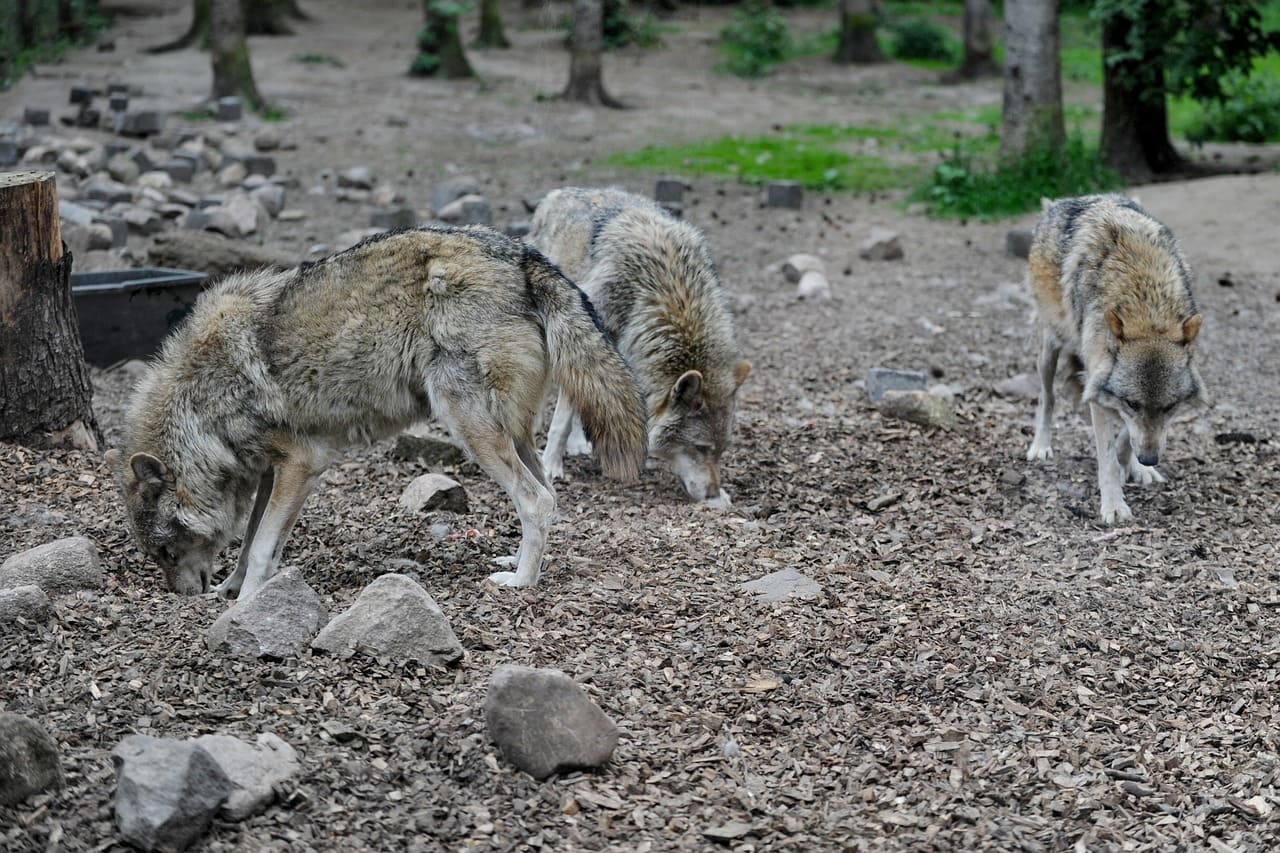
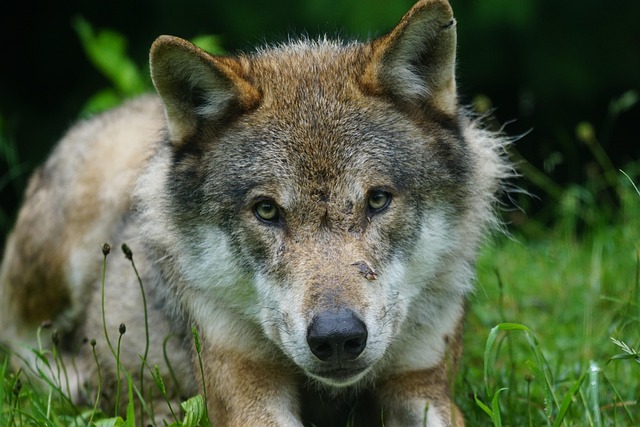
Wolf: Herd protection more effective than culling, according to study
Fences, night enclosures, shepherds and livestock guardian dogs could protect farm animals from the predator. Even llamas fend off attackers.


The wolf is back, and according to experts, the population is more likely to grow than shrink in the coming years.
«We will have to learn to live with the wolf again», said Christian Pichler of WWF at the sidelines of an international conference in Salzburg, largely co-organised by the conservation organisation, which focused on the protection of livestock herds.
«Unfortunately, politicians have long ignored the issue», stressed Pichler of the Austrian WWF. While in Salzburg the authorities’ decision on an application to shoot a wolf is still pending, the approximately 200 participants focused on alternatives to killing. «There are ways to protect sheep, goat and cattle herds differentlyThere are ways to protect sheep, goat and cattle herds differently», said Pichler. However, Austria lags behind countries such as Switzerland, France and Slovenia by years in this regard.
Killing wolves leads to even more damage to livestock
A study by the University of Wisconsin, conducted in the USA and Europe, found that shooting wolves is a barely effective measure for preventing livestock losses. In more than 70 percent of the cases examined, killings brought no improvement or even led to greater damage to livestock. By contrast, herd protection measures were successful in preventing attacks in 80 percent of cases.
Farms tend to rest on a false sense of security after culls and take no further protective measures, explained study author Adrian Treves. «Wolves moving into the area find an easy meal waiting for them with unprotected herds.Wolves moving into the area find an easy meal waiting for them with unprotected herds.» Killing wolves also disrupts the social structure within packs. Shooting a parent animal can, for example, cause wolves to change their hunting behaviour and, due to a lack of experience, switch to easier prey such as unprotected sheep.
Help from dogs
The WWF therefore calls for herd protection more financial and practical support from policymakers. Alongside electric fences, night pens, and the deployment of shepherds, livestock guardian dogs were a particular focus of the three-day conference in Salzburg. «Livestock guardian dogs are one of the best tools for protecting sheep. But a great deal of knowledge has been lost because predators had disappeared from many areas for a long time», said French wolf researcher Jean-Marc Landry, among others.
Since training the animals takes one to two years, it is essential to begin as quickly as possible, WWF wolf expert Pichler also demanded. In addition, the legal framework would need to be changed. «Under animal welfare legislation, dogs are required to have a kennel or shelter — but livestock guardian dogs live and sleep with the herd.»
Alongside dogs, llamas could also play an increasingly important role in protecting sheep flocks in the future. They are distinguished by a natural aversion to canids and small predators. In the USA and Australia, they protect sheep flocks from coyotes, dingoes, and stray dogs. Llamas can form a social bond with a flock and then defend the sheep against attackers by biting, kicking, spitting, and pushing them away. Experience with wolves is still rare at present, however. Observations from Switzerland do suggest that certain llamas can protect flocks particularly well against lone wolves.
Interest Group Wild beim Wild
The IG Wild beim Wild is a non-profit interest group committed to the sustainable and non-violent improvement of the human-animal relationship, with a particular specialisation in the legal aspects of wildlife protection. One of our main concerns is to introduce a modern and professional wildlife management system in the cultural landscape, modelled on the Canton of Geneva — without recreational hunters, but with upstanding game wardens who truly deserve the title and act according to a code of honour. The monopoly on the use of force belongs in the hands of the state. The IG supports scientific methods of immunocontraception for wildlife.
More on the subject of recreational hunting: The scientific evidence is presented in the overview Studies on the Effects of Recreational Hunting.
The position of IG Wild beim Wild: IG Wild beim Wild rejects recreational hunting. Our model is the canton of Geneva, which has managed without recreational hunting since 1974: without hunting seasons, without hunting dogs, without driven hunts, without high seats, without the animal cruelty and crime that go hand in hand with hunting season elsewhere. What has worked there for over fifty years disproves every position paper by JagdSchweiz. An association that bases its policy on claims it refutes in its own documents is not a professional organisation, but a factory for misinformation.