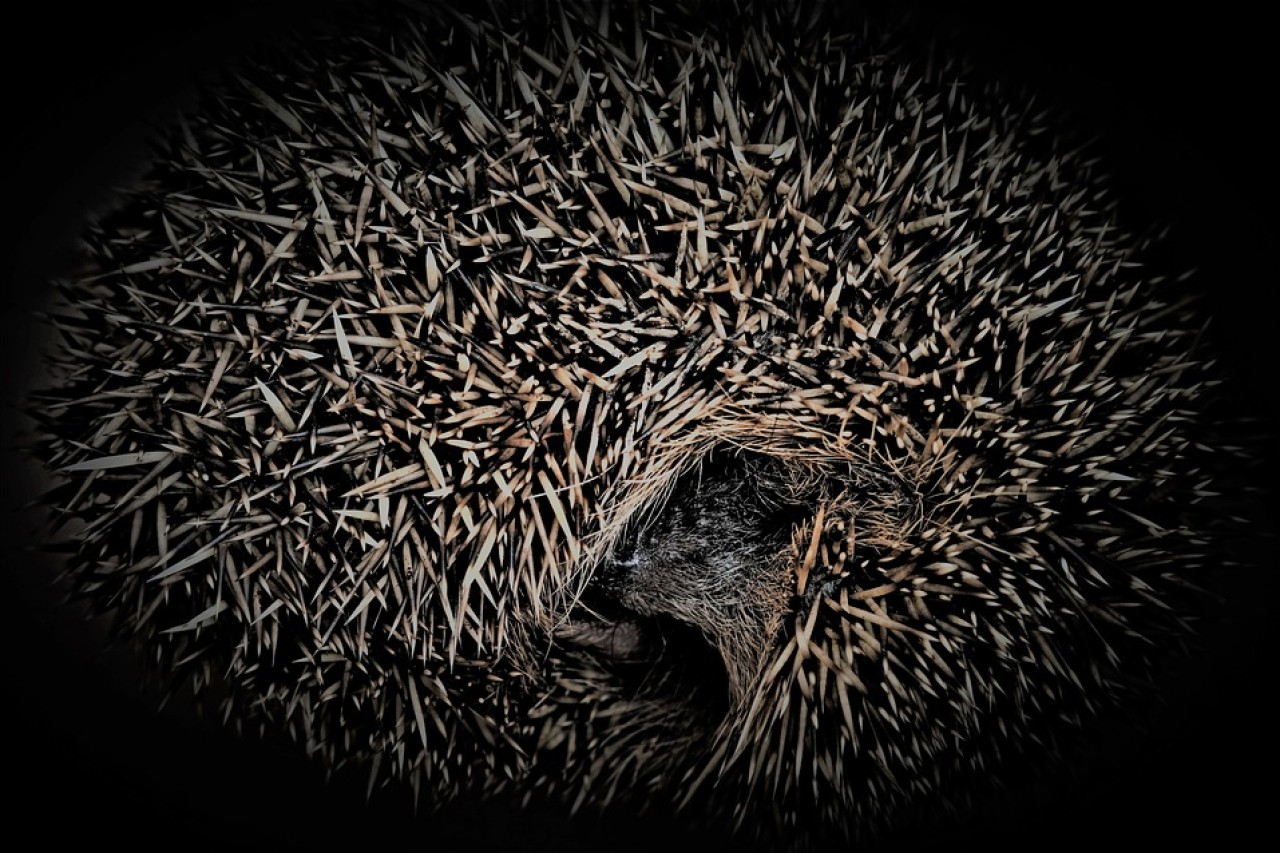
When it is cold outside and food becomes scarce, many wild animals settle into their well-padded nests, caves or burrows, start snoring and simply sleep peacefully through until April.
Sounds like a fairy tale — and it is one. Because hibernation in wild animals has nothing to do with ordinary, restful sleep. For them, it is an efficient strategy for surviving a long period without food and under unfavourable weather conditions.
Torpor: Body Temperature Below Zero
«Many wild animals have a drastically reduced metabolic function in winter, their heart rate and breathing frequency are greatly reduced, and their core body temperature also drops,» says Professor Dr. Klaus Hackländer, Chairman of the Board and wildlife biologist at the Deutsche Wildtier Stiftung. The garden dormouse, the animal of the year 2023, even spends part of its winter days with a core body temperature of one degree below zero. Hedgehogs, field hamsters and bats also use this strategy to survive the cold months. Biologists refer to this extreme state of rest as torpor.
At regular intervals, animals interrupt torpor during hibernation. Brain activity is also minimal during phases of reduced metabolism, and occasionally the brain needs to be brought up to operating temperature. The animals then ramp up their metabolism, body temperature rises, and they sleep — including the so-called REM phases (for Rapid Eye Movement) that are important for the brain, during which nerve cells are supplied with oxygen and metabolic waste products are removed. Torpor phases therefore alternate at regular intervals with phases of actual sleep. Only every few weeks do hibernating animals get up, for example to urinate, deposit droppings, or take food from the storage chamber in their burrow. Incidentally, hibernating animals are not well-rested after their long period of inactivity. On the contrary, after waking up in spring they first need to eat a great deal in order to replenish their energy reserves.
Disturbances can be fatal
In torpor, animals are stiff and barely respond to external stimuli, so much so that they can even be mistaken for dead by humans when we find them while tidying the garden — for example, a hedgehog in a pile of leaves or an edible dormouse in a woodpile. Animals in hibernation must not be disturbed. “Because the process of ramping the metabolism back up is a complex biochemical process that is extremely energy-intensive for the animals,” says Professor Hackländer. “If we disturb animals in torpor, they lose an enormous amount of energy and may not survive the rest of the winter.”
Winter rest and cold torpor
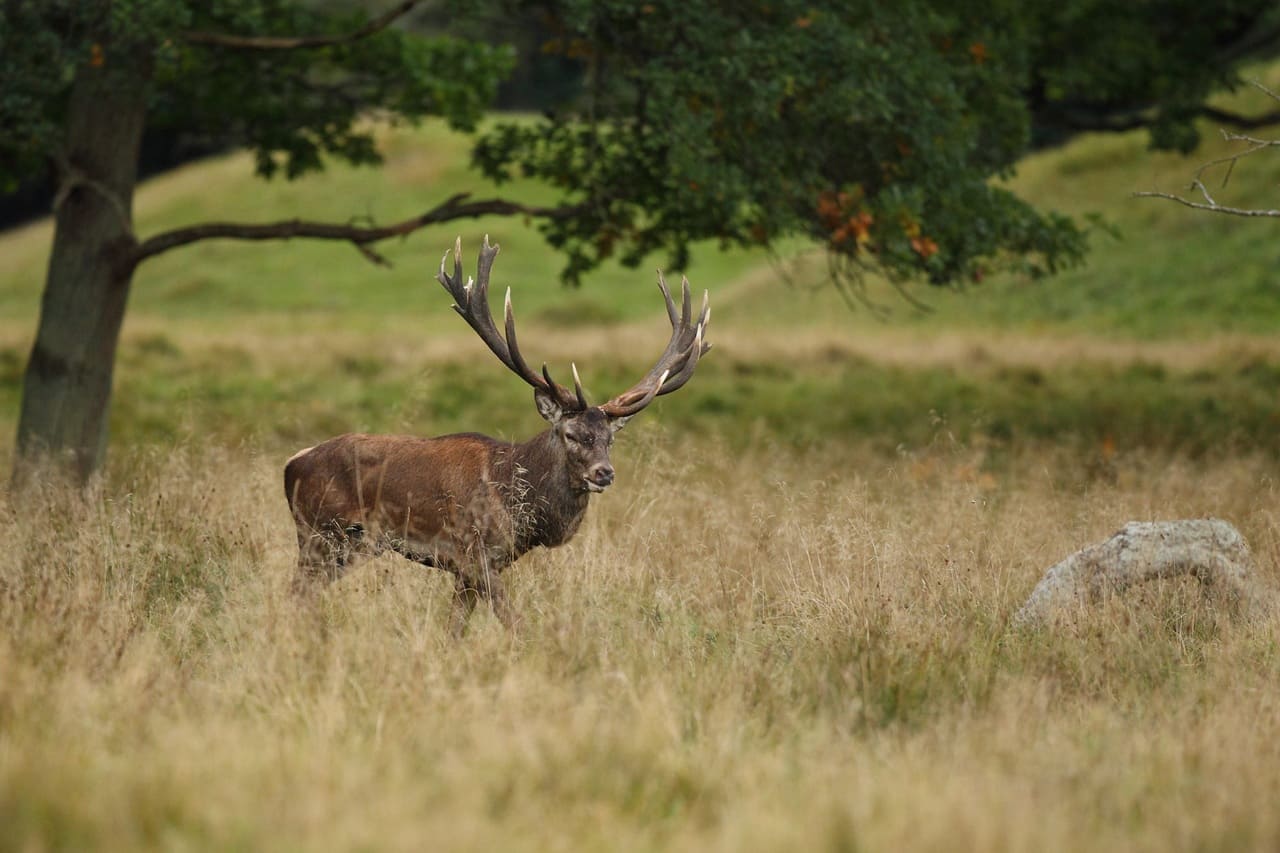
Animals that only enter a period of winter rest, such as the squirrel or the badger, do not reduce their metabolism as drastically. Unlike true hibernators, they are intermittently active from time to time, go in search of food, change their shelter, and even mate. Red deer and other large wild animals can save up to 30 percent of their energy through a temporary metabolic rest in winter. Ectothermic animals such as frogs or toads cannot regulate their own body temperature and fall into cold torpor when external temperatures drop. They first seek shelter in wind- and frost-protected hiding places such as compost heaps or under tree roots, where they remain until the weather warms again.
| You can help all animals and our planet with compassion. Choose empathy on your plate and in your glass. Go vegan. |
More on the subject of recreational hunting: In our dossiers on recreational hunting gather fact-checks, analyses and background reports. The scientific evidence is presented in the overview Studies on the Effects of Recreational Hunting.
The position of IG Wild beim Wild: IG Wild beim Wild rejects recreational hunting. Our model is the canton of Geneva, which has managed without recreational hunting since 1974: without hunting seasons, without hunting dogs, without driven hunts, without high seats, without the animal cruelty and crime that go hand in hand with hunting season elsewhere. What has worked there for over fifty years disproves every position paper by JagdSchweiz. An association that bases its policy on claims it refutes in its own documents is not a professional organisation, but a factory for misinformation.