Wild West in Eastern Switzerland
There are reportedly so many wild boars in Thurgau that the canton has now opened up recreational hunting on the charming animals “without limits.”


Federal statistics confirm that during the 2014 hunting season, 619 wild boars were shot in the canton of Thurgau — nearly 40% more than the previous year (383).
The canton has apparently become quite a hotspot, as reported by the «Regionaljournal Ostschweiz» on Radio SRF.

The graph is a clear indicator of the animals’ population growth. Mild winters are to blame — conditions are simply too favorable for wild boars, claims Roman Kistler, head of the Thurgau cantonal hunting and fisheries authority.
Territory-based hunting has been practiced in Thurgau since 1930. Eighty-nine hunting districts, two of which are exclusively waterfowl hunting zones, are leased out. The annual blood money of approximately CHF 608’000 goes two-thirds to the municipalities and one-third to the canton. Damage to agricultural crops caused by wild boars was estimated at CHF 448’700 in 2014. In the neighboring canton of St. Gallen, the damage total in the same year amounted to just CHF 7’761, despite the canton being twice as large. Farmers are compensated by the canton (85%) and the leaseholders (15%).
Recreational hunting cannot regulate wild boar populations either
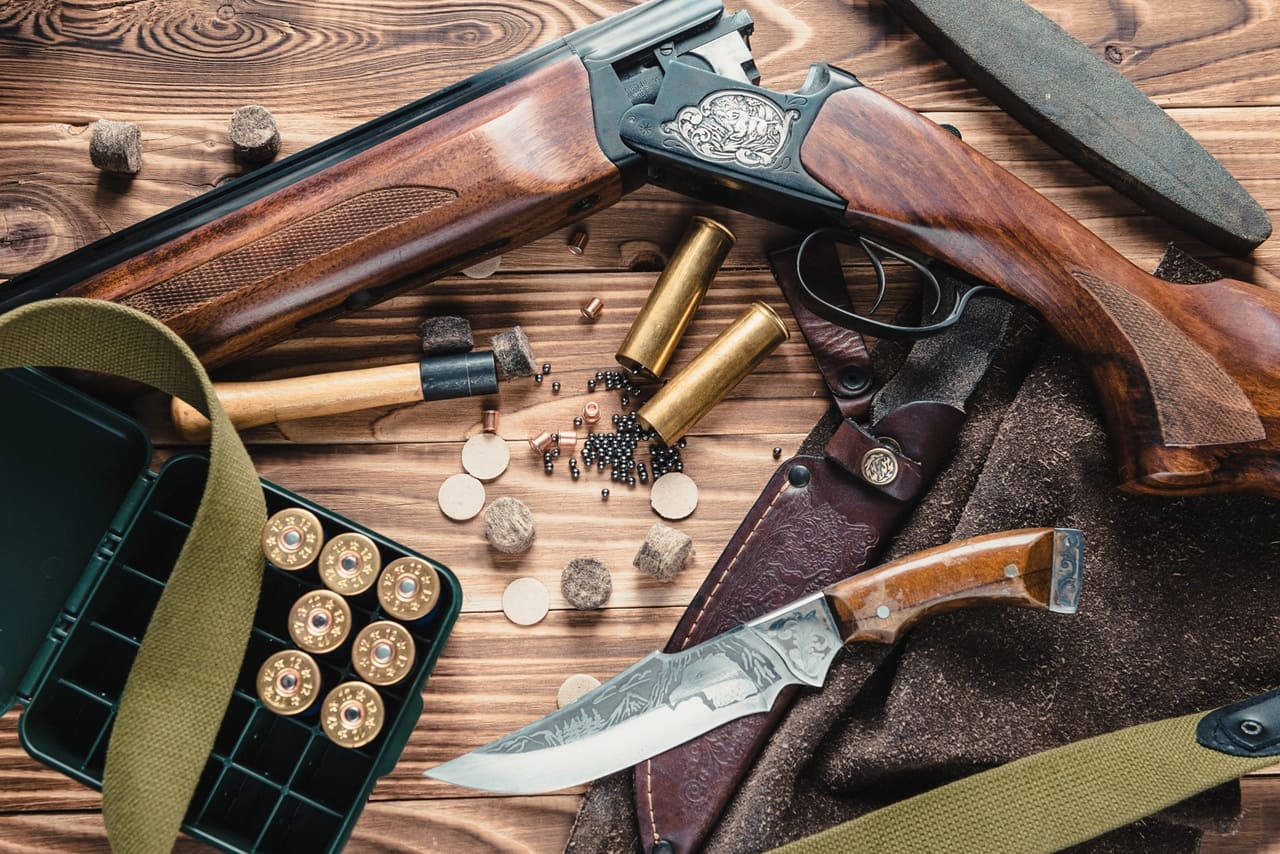
All efforts combined, including illegal hunting platforms, night vision devices, hunting in the dark, and so on by recreational hunters have yielded no results in recent years. Wild boar populations continue to grow unchecked — in fact, partly because of recreational hunting.Night-vision scopes are prohibited in Switzerland. Only in Thurgau, Geneva, and Basel-Landschaft are recreational hunters permitted to shoot at wild boars at night using such devices or weapon-mounted lights. Night-vision scopes were originally developed for warfare. Recreational hunters in Thurgau frequently operate on the fringes of legality. Shooting at wild boars with shotguns is highly questionable and borders on animal cruelty, particularly when animals are wounded but never recovered. Furthermore, the ammunition contaminates the environment.
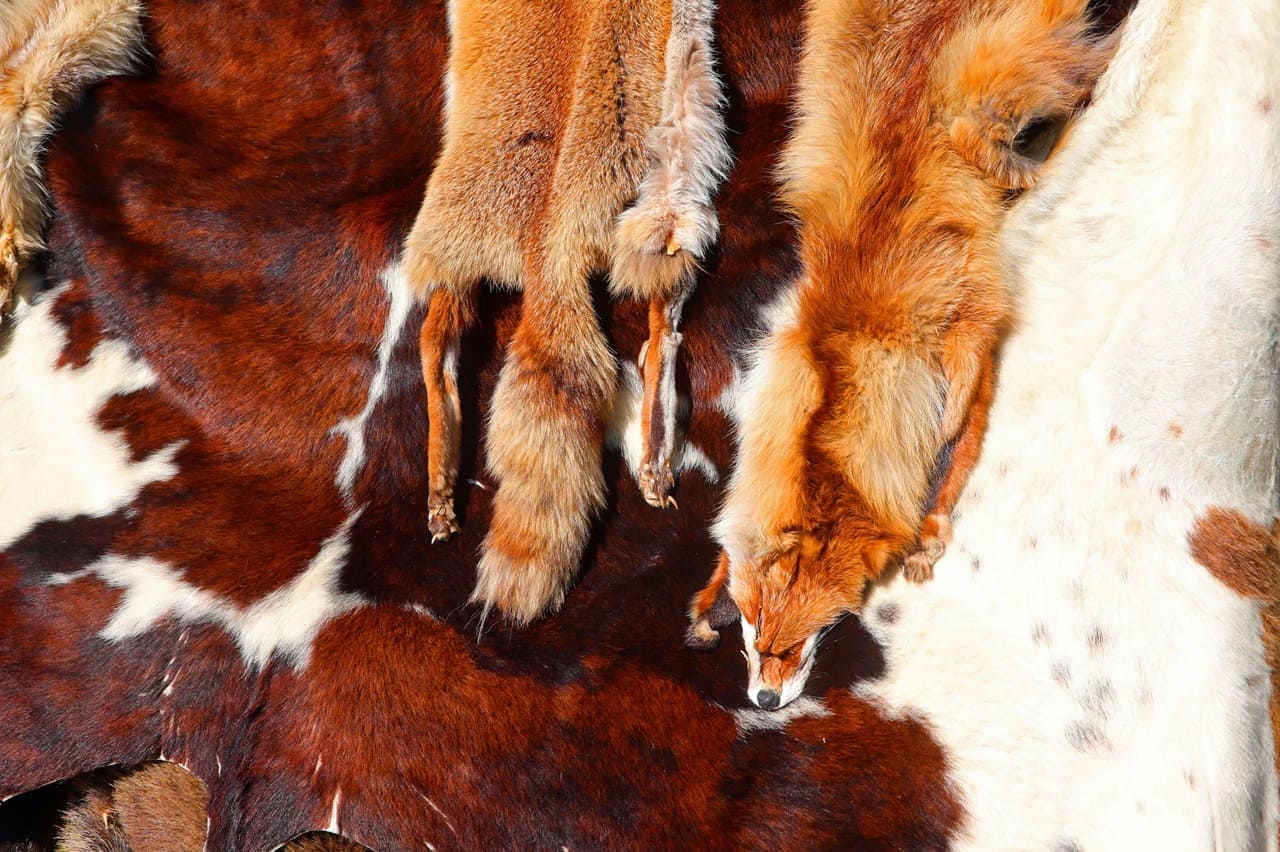
Hunters’ tall tales teaches: wild boar must be hunted intensively. Without recreational hunting, there would be a “wild boar glut,” even a “wild boar plague.” Reality shows: the more wild boar are shot, the more rapidly they reproduce. Wild boar as well as foxes can barely be regulated through intensive hunting.
In truth, recreational hunters have been deliberately breeding the “wild boar glut,” “plague,” and “epidemics” for years. While a mere 33 boars were shot across Switzerland in 1933, the hunting year 2011/12 saw an incredible 9,941 boars, sows, and juveniles shot! This can and must no longer be explained away or excused by recreational hunters with mild winters, food availability, and so on. A sustained increase in wild boar populations and the damage they cause, despite the most intensive hunting pressure, is the predictable outcome!
The figures could not be clearer. Recreational hunting does not regulate populations. The opposite is true: recreational hunting leads to unnatural and uncontrolled reproduction.
[youtube https://www.youtube.com/watch?v=xeknVbfzT_w%5D
If more and more wild animals are being shot because there are more and more of them, does that mean even more must be shot in order to reduce their numbers?
Nature had actually regulated everything remarkably well: experienced female wild boar — the lead sows — maintain order within the sounder and ensure birth control. By releasing pheromones (chemical signals used to convey information), they determine the receptivity of all female wild boar in the sounder: only the lead sow herself and a few other adult sows come into heat. This prevents overly young animals from being impregnated. The lead sow also determines the timing of the rut, which occurs once a year. If the lead sows are absent because they were killed during recreational hunting, this order breaks down. The social structure is destroyed and wild boar reproduce uncontrollably: even yearling sows and piglets under one year of age become pregnant. Whereas the rut previously occurred once a year, wild boar today come into heat multiple times a year and thus produce offspring several times a year. When mother sows are shot away from their young, the sounder is left without leadership and scattered. This can cause even greater damage than before, as wild boar roam about disoriented.
Recreational hunters who sporadically lounge around in a raised hide are simply not capable, especially at night, of identifying a lead sow. This is beside the point here, as the recreational hunting «without limits» in the canton of Thurgau has nothing to do with wildlife biology findings.
In the case of wild boar, a French long-term study has recently proven that recreational hunting significantly increases the reproduction rate. Scientists led by Sabrina Servanty compared, over a period of 22 years, the reproduction of wild boar in a forest area in the Haute-Marne department, where hunting is very intensive, with a lightly hunted area in the Pyrenees. The results were also published in the renowned “Journal of Animal Ecology”: when hunting pressure is high, the fertility of wild boar is significantly greater than in areas where hunting is rare. Furthermore, under intensive hunting, sexual maturity occurs noticeably earlier — before the end of the first year of life — so that even piglet sows become pregnant. The average weight of wild boar reaching reproductive maturity for the first time is also lower under high hunting pressure. In areas where few recreational hunters are active, wild boar reproduction is significantly lower, and sexual maturity in sows occurs later and only at a higher average weight. (cf. Servanty et alii, Journal of Animal Ecology, 2009). In areas with little or no hunting, there are far fewer wild animals than in hunted areas. Unnaturally large or small wildlife populations are homegrown and bred through flawed hunting management and hunting practices.
Nature does not need recreational hunters, but it does need game wardens. Recreational hunters now admit themselves that they cannot truly regulate animal populations, and that «stewardship», «nature conservation», and «prevention of wildlife damage» are merely pretexts put forward to justify a bloody hobby.
Hardly any other animal species consumes such quantities of insect larvae (such as grubs) as the wild boar. If mayfly larvae were not massively reduced by wild boar and other animal species, the damage caused by cockchafers to agricultural and forestry crops would likely be significantly higher, particularly after flight years. Wild boar also contribute, together with foxes and birds of prey, to reducing mouse populations and thereby the damage in grassland farming and fruit growing. And in the forest, rooting leads to soil loosening and the decomposition process, thereby promoting the growth of seedlings — something that is very welcome from a forestry perspective. On paper, they enjoy a closed season in Thurgau's forests from 1 March to 30 June. Piglets and yearlings are huntable year-round outside of the forest.
Recreational hunting does not regulate wildlife in accordance with the natural abundance of wildlife populations, but instead creates inflated or suppressed stocks. The unnatural problems and overpopulations are largely manufactured by the recreational hunters themselves, so that they can assign themselves a supposedly legal mandate. Recreational hunting has long since ceased to have anything to do with honourable wildlife management — it has degenerated, beyond all ethical bounds, into an ever more brutal slaughter of wild animals. Organising attractive hunts is the agenda. In relevant circles, this is deceptively referred to as “wildlife populations adapted to their habitat,” “fine regulation,” “two-stage system,” “dynamic management,” “utilisation,” “harvesting,” “skimming” or similar cult-like propaganda.
Every hunting excursion by every recreational hunter is a massive disturbance to the entire wildlife population and to the wider public. More recreational hunting does not mean less wildlife, but more births.
Animal cruelty through pointless hunting massacres cannot be a legal mandate. Taxpayers also end up financing the shoddy hobby of recreational hunters. On that basis, recreational hunting might as well be abolished. In Geneva, serious wildlife management costs the taxpayer not even a cup of coffee per year. In doing so, the people of Geneva also uphold the Animal Welfare Act, since no one may unjustifiably cause an animal pain, suffering or harm, or place it in a state of fear. What hundreds of recreational hunters previously did poorly in Geneva is today handled more effectively by just 11 wildlife wardens — alongside many other responsibilities.
Related dossiers and articles:
- Dossier: Wild Boar in Switzerland
- Dossier: Hunting Myths
- Dossier: Geneva and the Hunting Ban
- Dossier: The Wildlife Warden Model
- Dossier: Night Hunting and High-Tech Hunting
- Dossier: Lead Ammunition and Environmental Toxins
- Dossier: The Fox in Switzerland
- All 53 template texts for hunting-critical motions
More on the subject of recreational hunting: In our dossiers on the criticism of recreational hunting gather fact-checks, analyses and background reports. The scientific evidence is presented in the overview Studies on the Effects of Recreational Hunting.
The position of IG Wild beim Wild: IG Wild beim Wild rejects recreational hunting. Our model is the canton of Geneva, which has managed without recreational hunting since 1974: without hunting seasons, without hunting dogs, without driven hunts, without high seats, without the animal cruelty and crime that go hand in hand with hunting season elsewhere. What has worked there for over fifty years disproves every position paper by JagdSchweiz. An association that bases its policy on claims it refutes in its own documents is not a professional organisation, but a factory for misinformation.