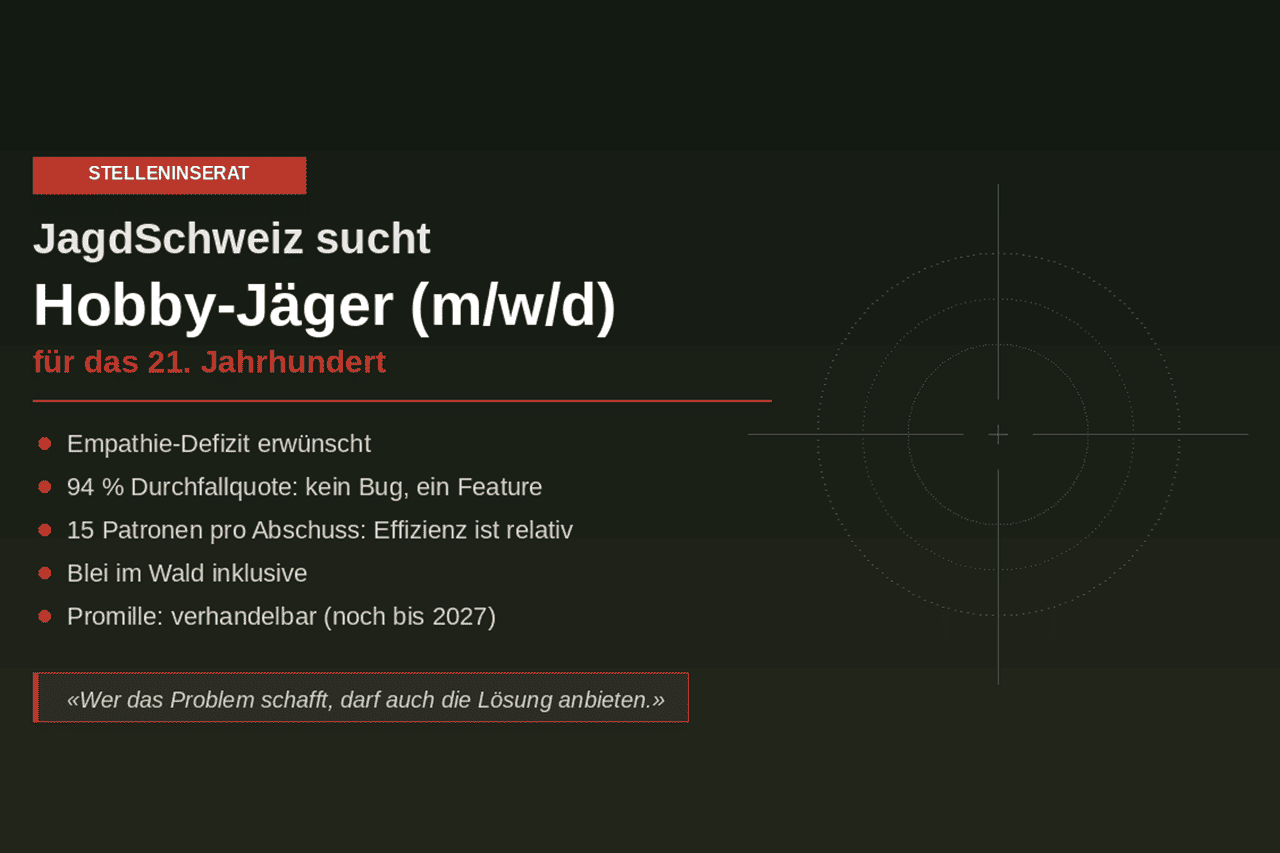
Why is the association JagdSchweiz constantly under criticism?
In recent years, JagdSchweiz has increasingly found itself confronted with critical voices.


Even hobby hunters repeatedly accuse the association of incitement, hypocrisy and incompetence.
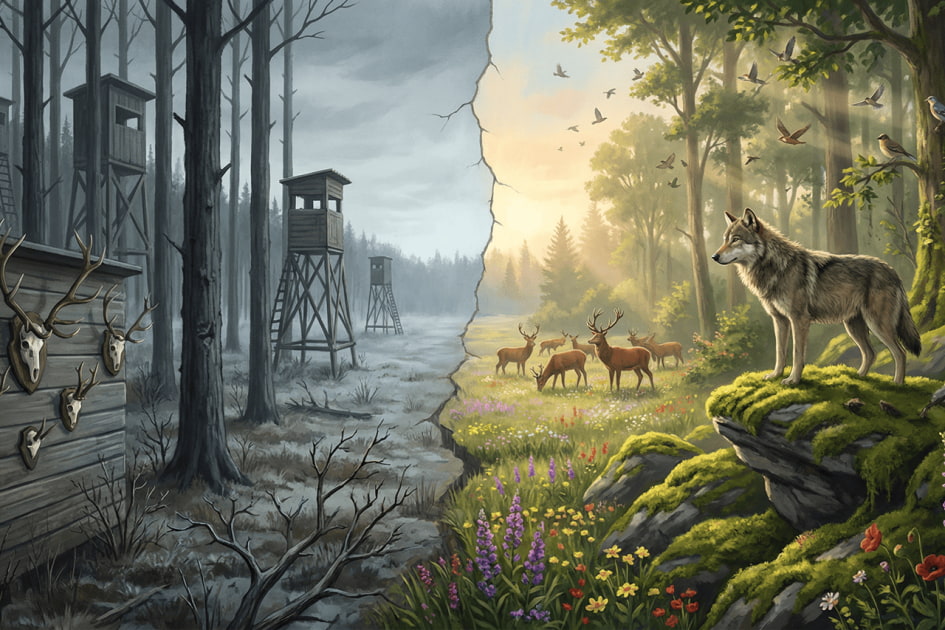
Hobby hunters do not create a natural balance in nature — they are, in fact, nature’s most destructive pest. Where wildlife is hunted and family as well as social structures are destroyed, the natural population control within the biotope breaks down. To this day, hobby hunters are responsible for a catastrophic imbalance in nature. By breeding ungulate populations to artificially high levels, they also jeopardise, among other things, the protective forests in mountain regions.

In particular, the executive director of JagdSchweiz, David Clavadetscher, has repeatedly attracted attention over the years. What exactly are Sämesen? Siamese cats? Which species that have been reintroduced are now under threat? For instance, the controversial ibex hunt in Valais? Beavers, amphibians, dragonflies, aquatic molluscs or fish? Lynxes and wolves continue to be poached primarily by hobby hunters. There is also considerable evidence of wolves being killed by lynxes.
No wildlife species has ever driven another species to extinction. This has only ever been achieved by the recreational hunting community.
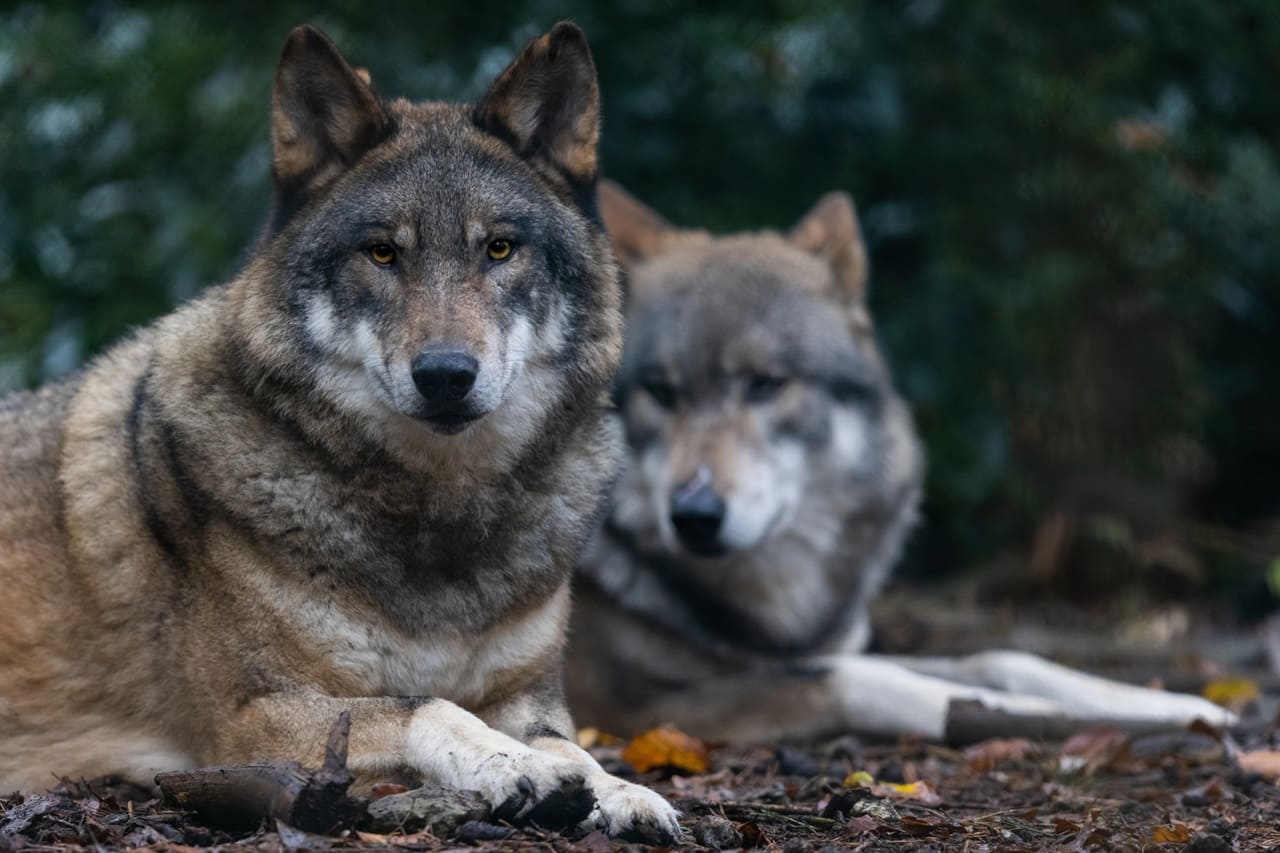
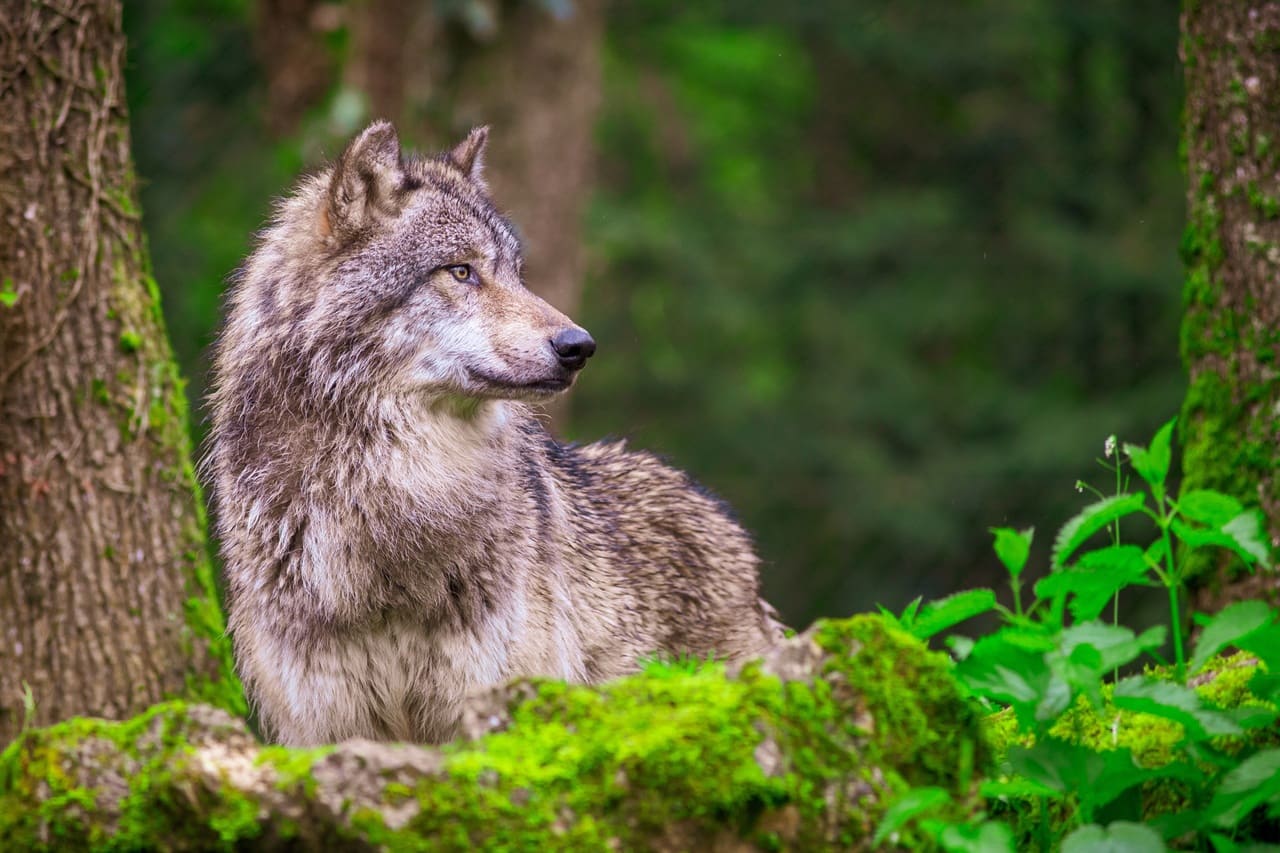
In Valais, a total of 61 wolves were recorded in 2024, including 36 new individuals, writes the Bulletin Valais. Eleven packs were identified, of which 9 showed confirmed reproduction. A wolf pack can kill up to 300 deer, roe deer and chamois per year. Wolves hunt and kill primarily animals that are easy to reach and overpower, including old, sick and weak animals, as well as young animals and livestock when these are insufficiently protected.
The association JagdSchweiz promotes militant special interests that are evidently not at all in line with sustainable biodiversity or common sense. All the propaganda outcry from hobby hunters about conservation work is inversely proportional to their actions and results. The UN report confirms this as well. The UN estimates that a high percentage of all extinct animal species disappeared with the involvement of hobby hunters. Hobby hunters demonstrably contribute to the reduction of biodiversity. In the chaos in which nature finds itself after decades of stewardship and management by Swiss hobby hunters, the proportion of threatened species is, according to the UN, greater in Switzerland than in any other country in the world.
Upon close analysis, hunting clubs cultivate above all a culture of disrespect and violence – precisely the opposite of what a cultivated person in our society should aspire to. Practically everything that is cruel, unnecessary and heartless is promoted by hunting associations. – IG Wild beim Wild
The criticism of recreational hunting is based on various factors relating both to hunting practices and to the association’s stance on ecological and ethical aspects of hunting. The key points are examined in greater detail below.
1. Treatment of Wildlife
One of the most frequent points of criticism regarding hunting in Switzerland is the treatment of wildlife. Animal and environmental protection advocates accuse JagdSchweiz of failing to conduct recreational hunting responsibly. The recreational hunting of species such as wolves or lynx is currently at the centre of the debate. Critics argue that the association holds an outdated view of nature conservation and the role of predators in ecosystems. Rather than working towards a cooperative solution, an aggressive hunting policy is frequently pursued.
2. Political Influence
A further point of criticism is the close connection between JagdSchweiz and political institutions and lobby groups. It is argued that the association is too strongly shaped by economic interests, which leads to a distortion of the ethical foundations of hunting. Critics claim that the association frequently places the interests of farmers and the forestry industry above the welfare of wildlife and the balance of nature. This leads to a polarisation between hunters and nature conservation movements. Were hobby hunters not repeatedly trained and kept on a tight leash by animal and nature conservationists, there would be no upper limit to the nonsense carried out in hunting practice.
3. The Image Problem of Hunting
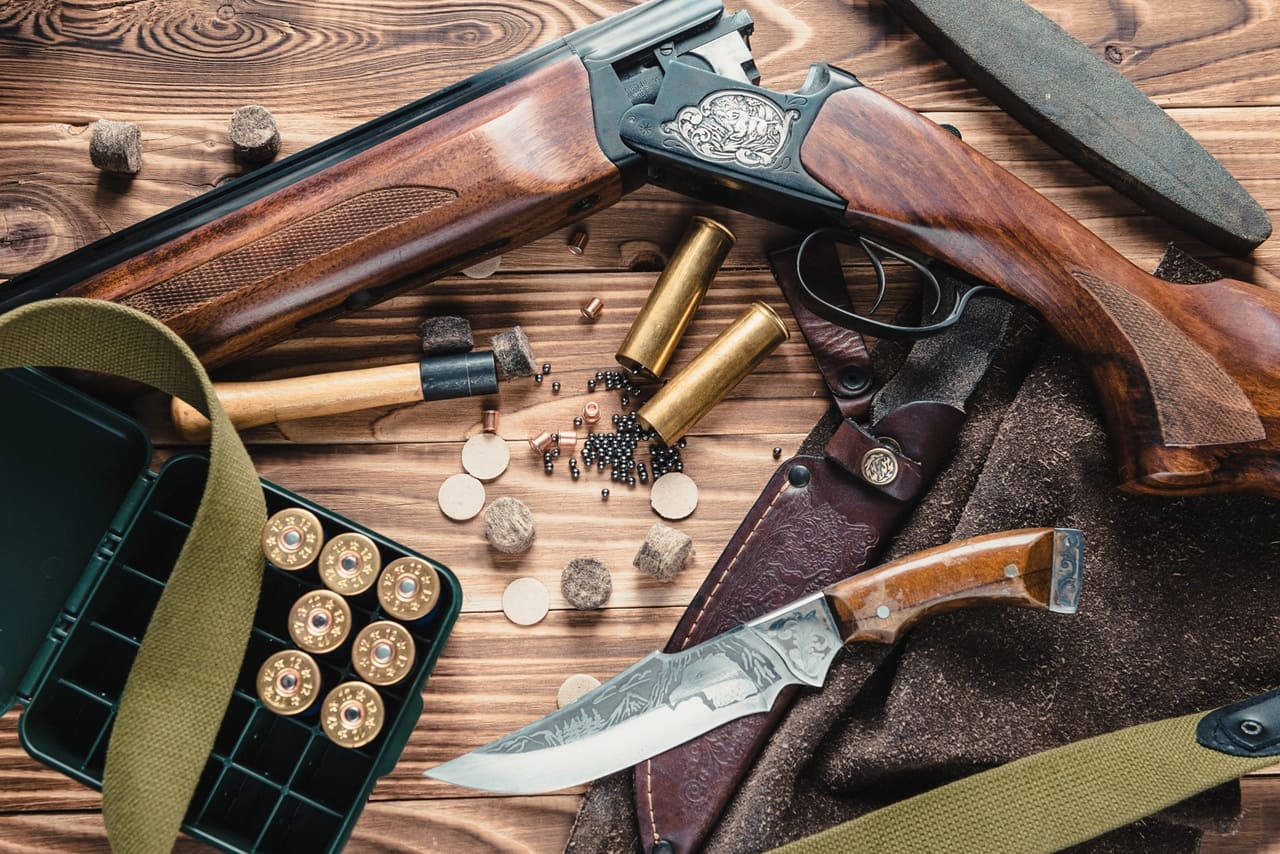
The general image of hobby hunting suffers from the practices associated with JagdSchweiz and its members. Hobby hunting is frequently perceived as an elitist pastime that is disconnected from the needs of wildlife and nature conservation. The use of modern technologies and methods is often criticised, as it reinforces inequality in hunting behaviour.
Nevertheless, hobby hunters call themselves animal and nature conservationists. They constantly invoke their statutory obligation to ensure ‘a species-rich and healthy wildlife population’ through the stewardship of game. Yet half of the animal species once subject to hunting are either not in a favourable conservation status or have become extinct (e.g. elk, wisent, lynx, wolf, wildcat, capercaillie, black grouse, hazel grouse, great bustard, eagles, falcons, vultures) — and this despite 143 years of ‘huntsman’s stewardship’ in Switzerland.
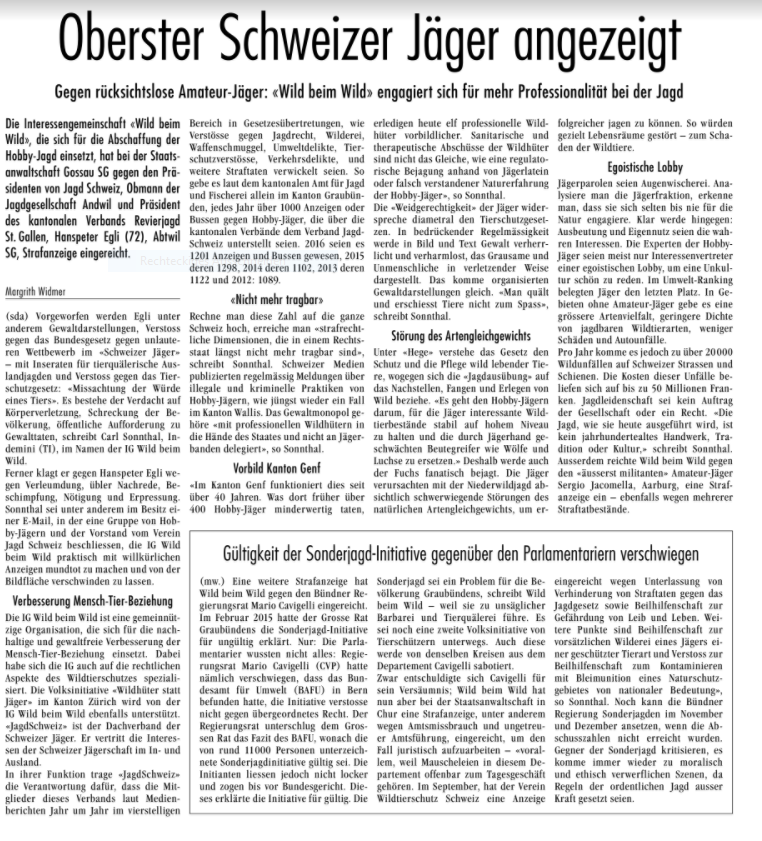
When hobby hunters speak of interrelationships, sustainability, wildlife management and so forth, what they are engaged in is, in reality, charlatanism. Hobby hunters manipulate, fabricate, harass, terrorise and exploit. IG Wild beim Wild recently filed a criminal complaint against JagdSchweiz.
4. Lack of Transparency and Communication
The association's communication is also frequently rated as inadequate. Critics complain that the association often does not communicate openly and transparently about decisions and hunting practices. This lack of transparency leads to mistrust between hunters, the general public, and nature conservation organisations. A lack of clear, understandable information about the necessity and ethics of hunting makes it difficult to view hobby hunting as sustainable and respectful of nature. There is no scientific ecological grounding whatsoever.
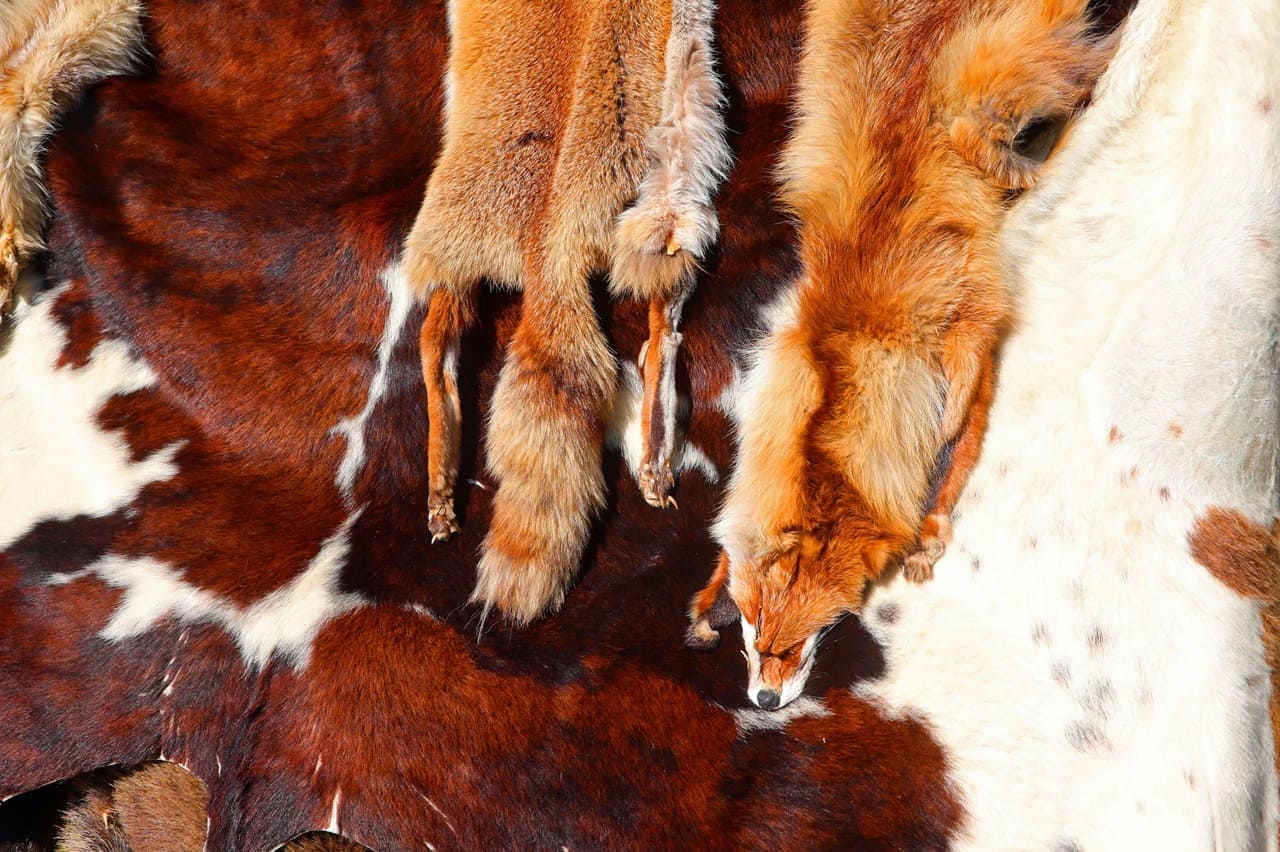
Wildlife belongs first and foremost to the predators, not to the hobby hunters — but wolves or lynx are not really welcome. Roadkill is unwanted, and so is the fox that would dispose of it. Foxes are shot senselessly and randomly, as if in a frenzy. The regulation of wildlife populations is not based on natural wildlife biology, but on hunters' folklore. Protected species such as the brown hare, the black grouse, the ptarmigan, and the woodcock have no place on the list of huntable species. Every hunting activity carried out by hobby hunters is a massive disturbance to the entire flora and fauna.
JagdSchweiz is under pressure to reconsider its practices and strategies and to adapt to the challenges of modern society. It is up to the association to find a balance between the inferior interests of the hunting community, animal welfare, and nature.
Further articles
- Are hobby hunters psychopaths?
- Hobby hunters on the psychological pendulum
- Aggression: understanding hobby hunters better
- Sadism: understanding hobby hunters better
- Trophies: the pleasure hunt
- Alcohol: hobby hunters and the drinking problem
- Hunting and hunters: psychoanalysis
- Hobby hunters and violence in our society