Recreational hunters and violence in our society
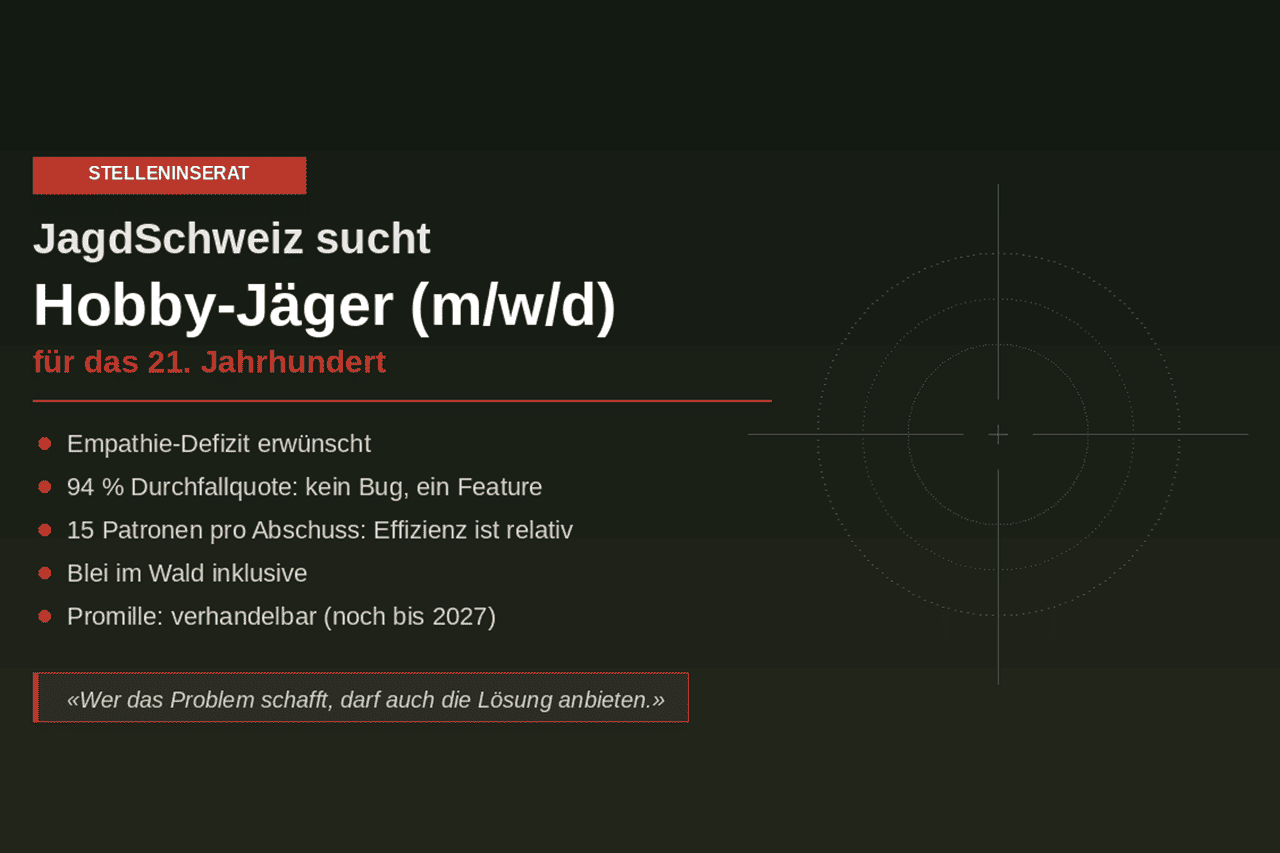
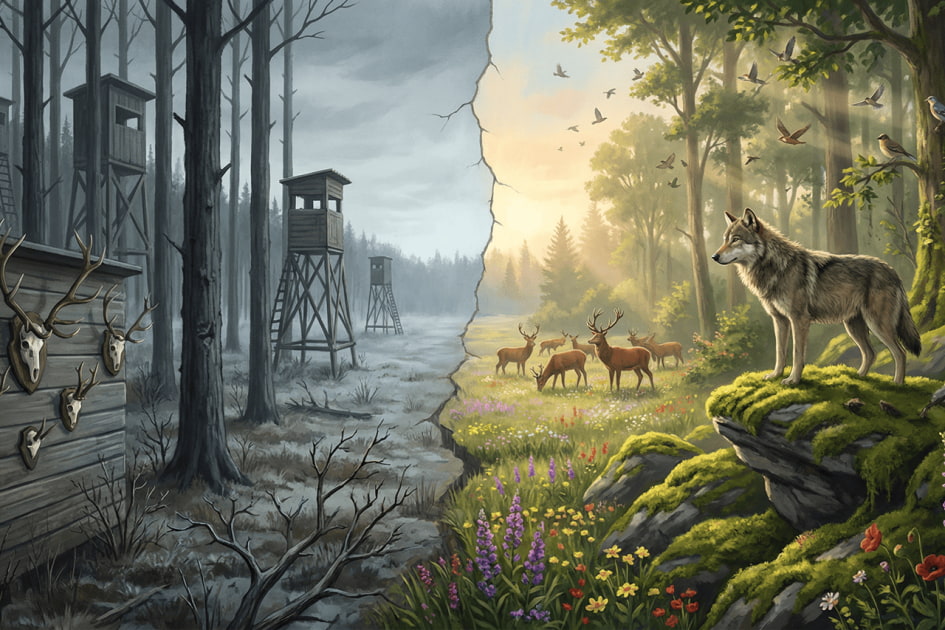
Hunting is a hobby that — for the overwhelming majority of its activities — does not serve to regulate our ecosystems, is the scene of barbaric practices, has numerous negative consequences, and enjoys unparalleled political influence, enabling an activity pursued solely in the private interests of recreational hunters to be maintained against the public interest.


The hunting instinct and its perversion
The hunting behaviour of male hominids, who descended from vegetarian ancestors, has been evolving since the Pliocene — that is, for several million years.
It is said that the hunting fever is fascinating and alluring, a desire that makes the temporary renunciation of physical needs, pain, sweat, blood and ultimately the willingness to kill bearable and even appealing.
The evolutionary development that leads to the “perversion” of the hunting instinct in today’s recreational hunter stems from the resulting advantage of personal and social power as well as dominance over those who are weaker.
Blood must flow in order to kill. It is therefore an appetite stimulant, as is the struggle of the victim. Recreational hunting is fascinating and emotionally arousing for men, and less frequently for women, with the parallel release of testosterone, serotonin and endorphins that produce a feeling of euphoria.
Cruelty makes recreational hunters cruel
The actions of recreational hunters must be properly illuminated for what the principal activity of hunting actually consists of: tracking wild animals in nature with a weapon.
Recreational hunters do not merely go hunting — they make a point of reminding us of this repeatedly. Yet these seemingly selfless ancillary activities generally serve to secure the continuation of hunting, and not the common good of humans or wildlife.
One must distinguish between hunting and everything else, because just because a recreational hunter plants a hedge does not mean that shooting a fox, pine marten, hare, wood pigeon, or jay suddenly makes sense.
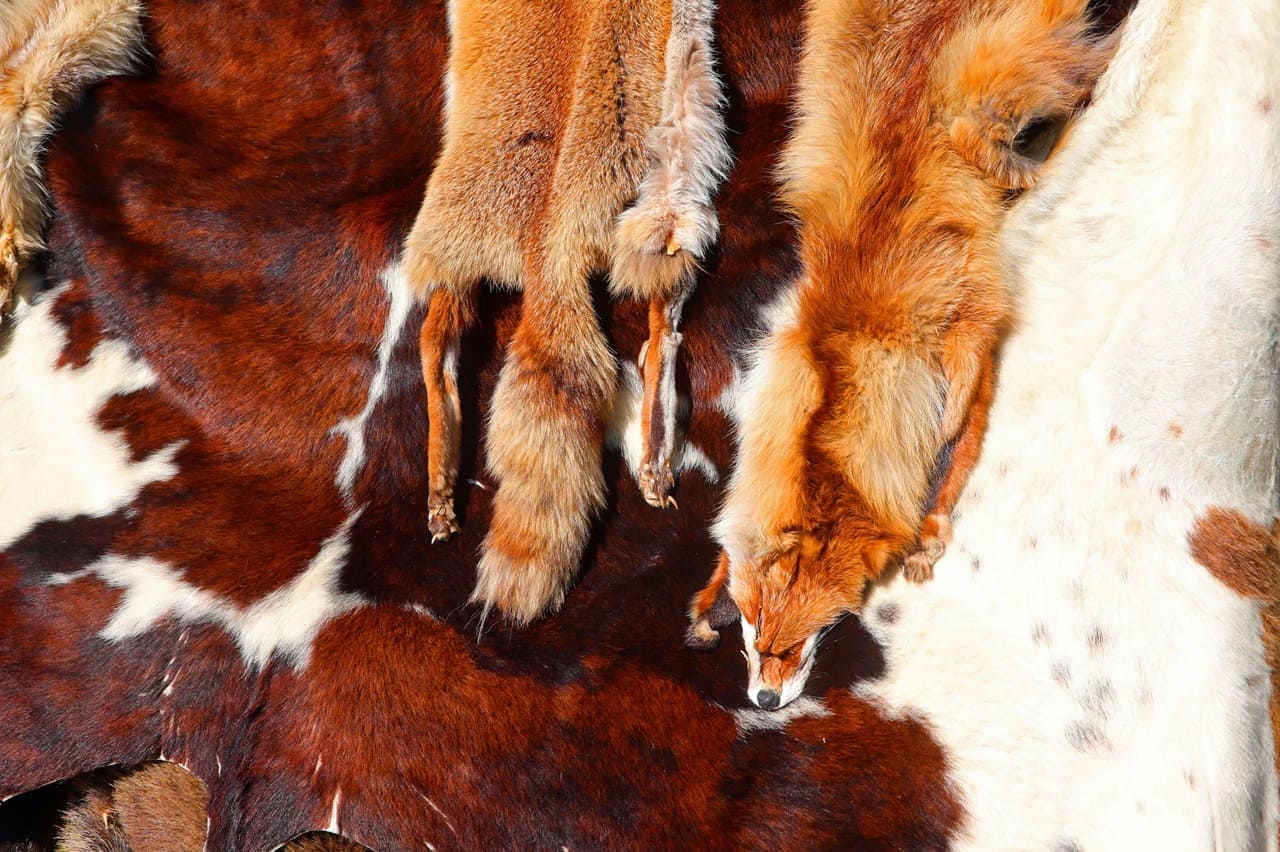
The vast majority, according to experts approximately 95%, of animals killed through hunting do not need to be regulated. This applies, for example, to wild birds, of which most species are threatened at the European level. Or foxes, according to numerous case studies such as Luxembourg, the United Kingdom, Geneva or national parks.
The arguments used to justify the practice of recreational hunting are ineffective from a scientific and ethical standpoint.
If you have ever seen cruel and untenable videos of animals in slaughterhouses, you probably do not know that recreational hunters are no less cruel. Recreational hunters show us this daily on social media. It is also not an honest way of obtaining meat, as recreational hunters repeatedly and falsely claim.
Political power of the recreational hunting lobby
Recreational hunting has no positive effects other than the enjoyment it brings to recreational hunters and the cliquish socialising it brings to villages.
Why are environmental organisations, which are far more experienced and scientifically competent, not the primary organisations involved in the proper management of ecosystems? One explanation is that they carry comparatively little political weight relative to the national hunters' association. To give us an insight into the political power of recreational hunters, consider the example of the European polecat: The European polecat is a species that recreational hunters have no interest in whatsoever. On our side, we have all the scientific arguments and official confirmations to state that the European polecat must be protected and placed on the list of protected species, as it is on the verge of disappearing, primarily due to urbanisation and the intensification of agriculture . For six years, attempts have been made to place the European polecat on this list, but recreational hunters are strictly opposed to it, because symbolically it removes a potentially huntable species.
Recreational hunters are incapable of initiating anything progressive in the realm of ethics. They depend on people with a conscience and developed character to accomplish anything creative. It is therefore not surprising that in the past it was animal welfare advocates who provided the driving force for improvements in wildlife protection in hunting, setting reforms in motion. Recreational hunters have always responded reluctantly to initiatives. Common sense led to greater wildlife protection in hunting — for example, through the abolition of leg-hold traps and the hunting of birds using lime sticks. Animal welfare advocates were the driving force behind restricting hunting seasons and reducing the number of huntable species. To prevent the extermination of wildlife, animal welfare advocates imposed on recreational hunters the moral obligation to practice wildlife stewardship. The «hunting ethics» of recreational hunters have traditionally always lagged behind the spirit of the times.
Finally, in the dark world of hunting there are almost mafia-like practices, such as coercing environmentalists into continuing partnerships under threat of losing their funding, or the death threats and attacks that animal rights activists regularly experience.
| You can help all animals and our planet with compassion. Choose empathy on your plate and in your glass. Go vegan. |
More on the subject of recreational hunting: In the dossier The Role and Criticism of Recreational Hunters we shed light on the training, power and self-image of recreational hunters. What the research says about this is shown by Hunting fact-checked: the state of research.
The position of IG Wild beim Wild: IG Wild beim Wild rejects recreational hunting. Our model is the canton of Geneva, which has managed without recreational hunting since 1974: without hunting seasons, without hunting dogs, without driven hunts, without high seats, without the animal cruelty and crime that go hand in hand with hunting season elsewhere. What has worked there for over fifty years disproves every position paper by JagdSchweiz. An association that bases its policy on claims it refutes in its own documents is not a professional organisation, but a factory for misinformation.