What did the JSG revision 2022 change?
Hunting Act revision: Species protection sacrificed for the hunting lobby.

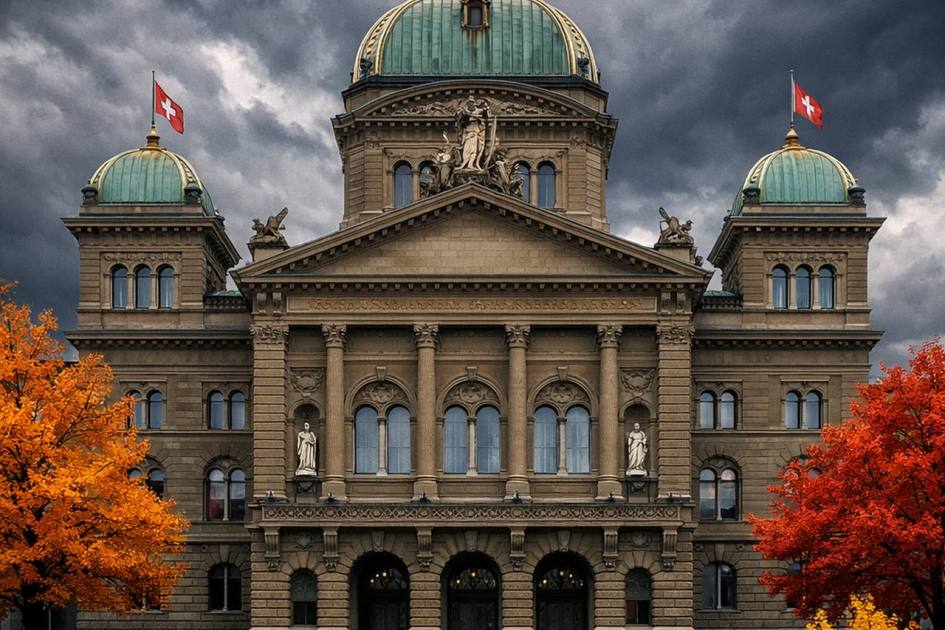
The gradual revision of the Swiss Hunting and Protection Act (JSG) and the Hunting Ordinance (JSV) has enabled preemptive wolf culling and significantly weakened species protection in Switzerland.
Environmental organisations criticise the changes as a violation of the Bern Convention. The Council of Europe has opened a formal investigation.
What is the JSG and why is it relevant?
The Federal Act on Hunting and the Protection of Wild Mammals and Birds (JSG) is the central federal law that regulates both hunting and the protection of wild animals in Switzerland. It is specified by the Hunting Ordinance (JSV), which the Federal Council can enact. This dual structure (law and ordinance) enables the Federal Council to make far-reaching changes without a referendum, as long as they remain within the legal framework.
As the Dossier Hunting Laws and Control shows, the fundamental problem lies in the fact that hunting-affiliated actors significantly shape legislation through committees, consultation procedures and direct political networks. The Dossier Hunter Lobby in Switzerland demonstrates that JagdSchweiz, with over 30,000 members and a parliamentary group in the Federal Assembly, systematically influences legislation.
What was the 2020 HPA referendum?
A first comprehensive HPA revision was submitted to the people in 2020 and rejected in a referendum. The proposal would have allowed cantonal shooting of wolves even without proven damage. Nature conservation organizations, including Pro Natura and WWF, successfully fought against it. The population voted against weakening wolf protection.
What was changed through ordinance after the referendum?
Although the 2020 referendum had signaled clear rejection, the Federal Council used the scope of the HPO to implement key elements of the rejected proposal through ordinance. The HPO was adjusted to enable 'proactive regulation': wolves may now be shot when they are near settlements, even without livestock kills having occurred.
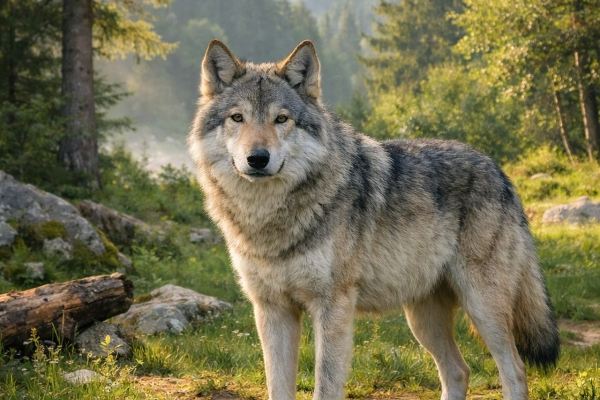
The Wolf Dossier in Switzerland documents how this practice was implemented particularly aggressively in Valais. In the 2025/2026 season, 27 wolves were killed—3 through individual permits, 24 through pack regulations. The costs for these shootings amounted to 0.8 to 1 million francs, including professional hunters, helicopters, coordination and administration—around 35,000 francs per wolf killed.
What specifically changed through the HPO adjustments 2023/2025?
Besides wolf policy, the revisions also encompass other hunting-relevant areas. Sound suppressors on hunting weapons were removed from the list of prohibited aids and have been explicitly permitted since February 1, 2025. Night hunting was expanded in individual cantons: Bern allows full moon night hunting, the Zurich cantonal government adopted further liberalizations in June 2025. Drones for hunting were gradually permitted.
These developments follow a pattern that the Hunting Lobby Dossier in Switzerland describes as a 'strategy of small steps': each change is packaged as an efficiency gain or practical adjustment, but collectively results in systematic liberalization favoring recreational hunting.
What do environmental organizations criticize?
Pro Natura, WWF Switzerland, Wolf Group Switzerland and BirdLife criticize several points of the HPA/HPO revision. First: proactive pack regulation is incompatible with the Bern Convention. The Standing Committee explicitly stated this in October 2024. Second: shootings occur without proof of adequate livestock protection measures, although the Wolf Concept Switzerland from 2008 prescribes this as a prerequisite. Third: shooting quotas create pressure and lead to systematic erroneous shootings—at least three in 2022 alone.
Furthermore, scientists criticize in an open letter with over 200 signatories that shooting alpha animals destroys pack social structures, leading to higher reproduction rates, more unstable behavior and increased conflicts—the exact opposite of the intended 'regulation'.
What consequences does the revision have for the conservation status of wolves?
The conservation status of a species is considered favorable when population size is stable or growing, habitat is sufficiently available, and there is no tendency toward reduction. In Switzerland, none of these criteria is unproblematic: the wolf population of around 300 animals in 30 packs is small by European standards. Targeted pack shootings that hit alpha animals destabilize population structures.
The Wolf Dossier in Switzerland documents the example of the Jura Marchairuz pack: after the alpha female was mistakenly shot in 2022, the pack's survival was endangered. Such events are not exceptions—they are systematic consequences of a policy that prioritizes shooting quotas over species protection.
Can parliament reverse the revision?
The changes made at the ordinance level can be reversed by the Federal Council. At the legislative level, a parliamentary resolution or a new popular initiative would be necessary. Animal welfare and nature conservation organizations have announced they will challenge the wolf policy politically and legally.
The Council of Europe has exerted strong foreign policy pressure on Switzerland with its investigation of December 2024. As a signatory to the Bern Convention, Switzerland has committed to certain minimum standards, and this commitment is non-negotiable.
Why is the revision a precedent?
What happens to the wolf can happen to the lynx tomorrow. The Lynx Dossier in Switzerland explicitly warns that wolf policy creates a precedent for other predators: If preventive culling is normalized for wolves, the same instruments will be used for lynx. The FOEN lynx concept already allows regulatory culling today if the lynx takes too many animals 'from the hunting quota,' meaning it eats too many roe deer and red deer that hobby hunters want to kill themselves.
This conflict of interest is at the heart of the entire debate: It's not public safety that's at stake, but the economic and recreational interests of around 30,000 hobby hunters who don't want to share 'their' resource.
What alternatives exist to current wolf policy?
Evidence-based wolf policy would rest on three pillars: first, consistent livestock protection as a prerequisite for any culling; second, independent scientific monitoring; third, transparency in all decisions. The Livestock Protection Dossier in Switzerland shows that protection is demonstrably more effective than culling when implemented consistently.
Conclusion
The JSG revision 2022 is not a technical adjustment process, but a political course change: away from species protection, toward hobby hunting logic. That this course change was implemented through ordinance, thus bypassing a popular referendum, shows how effectively the hunting lobby knows how to use the instruments of the Swiss political system. The formal investigation by the Council of Europe is a wake-up call: International law applies even when a lobby lobbies against it.
Further Content
- Wolf in Switzerland: Facts, Politics and Hunting
- Hunting Law Switzerland
- Hunting Laws and Control
- Livestock Protection in Switzerland
- Hunter Lobby in Switzerland
- The Lynx in Switzerland
Support our work
With your donation you help protect animals and give voice to their concerns.
Donate now →