Valais Wolf Monitoring
The Department of Hunting, Fishing and Wildlife (DJFW) has compiled a report on wolf presence in Valais for the period between 1 January and 31 October 2018. During this period, nine different wolves were identified in the canton through wolf monitoring, including four new individuals. Additionally, during the same period in the canton,


The Department of Hunting, Fishing and Wildlife (DJFW) has compiled a report on wolf presence in Valais for the period between 1 January and 31 October 2018. During this period, nine different wolves were identified in the canton through wolf monitoring, including four new individuals. Additionally, during the same period in the canton, 269 livestock were killed. Despite intensive monitoring, which is still ongoing, no reproduction could be established by the end of October 2018. Only nine wolves live in Valais – yet the number of sheep and goats killed is higher than anywhere else in Switzerland. This shows that the wolf problem in Switzerland is primarily a Valais problem.
269 livestock killed
In Upper Valais, between 1 January and 31 October 2018, 79 livestock (sheep) were killed on the alpine pastures and 26 on the spring and autumn grazing lands. In Central Valais, 91 sheep were killed in the alpine area and 17 on the spring and autumn pastures. In Lower Valais, 56 sheep were killed on the alpine pastures.
The cantonal Department of Agriculture, responsible for livestock protection, assessed the respective herd protection situation and advised livestock owners. The reports from this herd protection office show that 98 livestock were killed in protected situations, 70 in so-called non-protectable situations, and 101 in unprotected situations.
This represents a sharp increase compared to the same period in the previous year, when the number of sheep killed stood at 46.
118,450 francs in damages
The damage from predation assessed so far, including veterinary costs incurred, amounts to a total of 118,450 Swiss francs. Of this, 61,250 francs are attributable to Upper Valais and 57,200 francs to Lower Valais. The federal government covers 80 percent of the paid-out damage. As noted above, 63.5 percent of all damage involves unprotected (37.5 percent) or non-protectable livestock (26 percent).
Wolf monitoring: Wildlife Damage
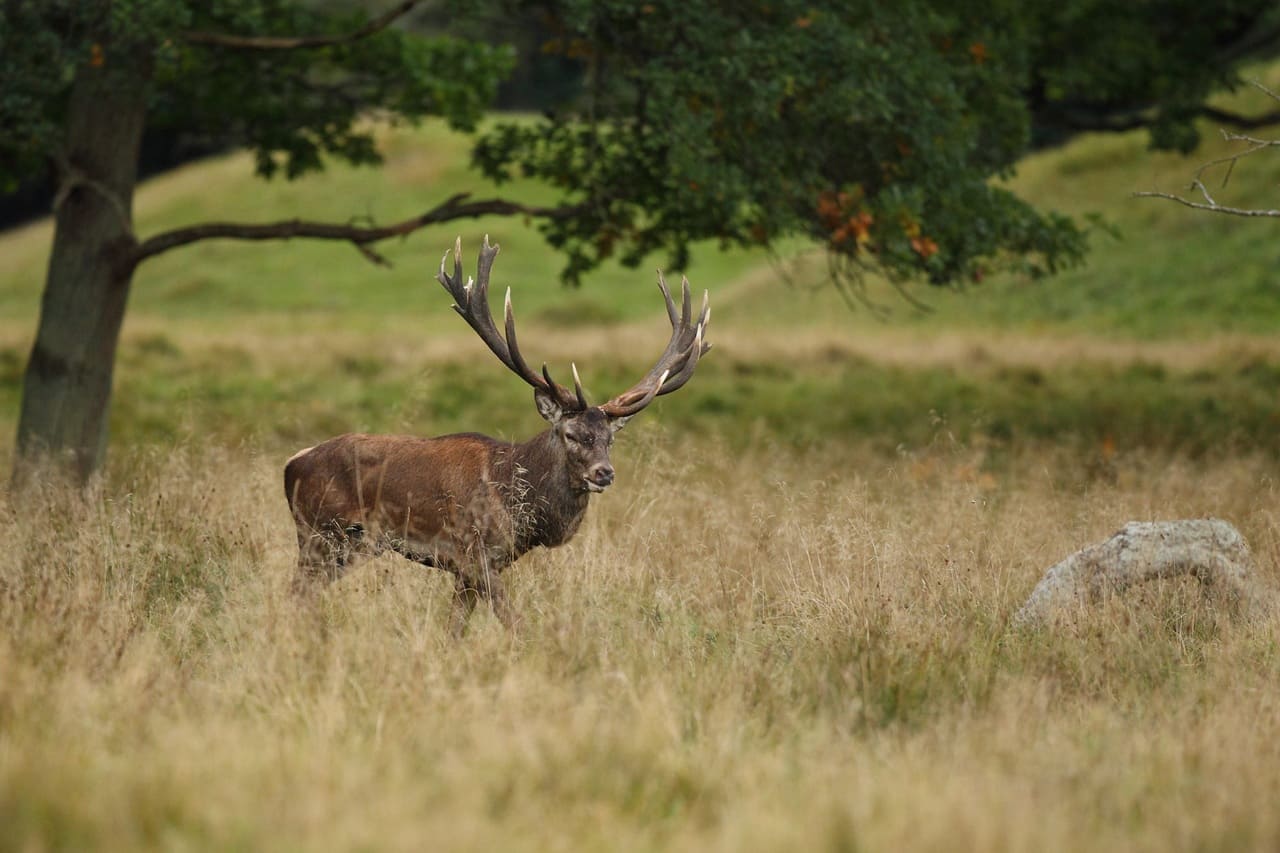
Among wildlife, red deer and roe deer were killed in various regions, with chamois also taken in certain areas. However, the kill figures (37) are not representative, as the majority of wildlife killed in winter remains undiscovered in inaccessible terrain, young animals are fully consumed during the birthing season, or carcasses are scavenged by other opportunistic feeders and thus cannot be recorded. Nevertheless, as in the previous year, game wardens were able to observe unusual shifts in the distribution of hoofed game and the pursuit behavior of predators in various areas. This can have a negative impact on the protective function of game sanctuaries as well as on hunting results. The actual influence of wolf presence is most perceptible in areas where it is permanent. A reliable assessment will only be possible in the medium term.
Wolf monitoring: Wildlife Damage
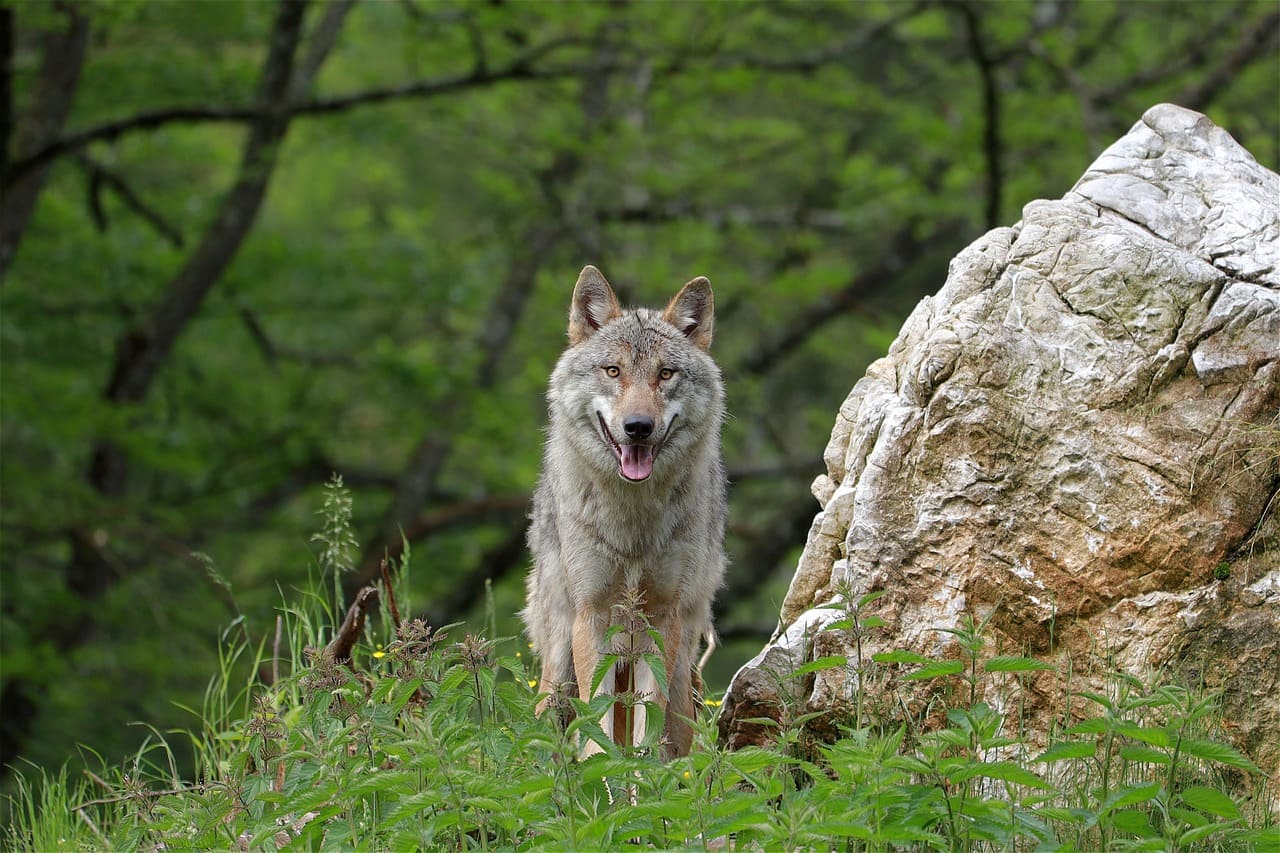
In 2018, DNA analyses confirmed the presence of nine different wolves in the canton. In addition to the wolves previously reported — M59, M73, M82, M88, M89, F24, and F28 — two new female wolves have now been identified: F40 in the Val d'Illiez and F41 in the Val d'Entremont. Both females were recorded in Switzerland for the first time at the end of November 2018. In total, five known and four new wolves were formally identified in 2018.
At the end of October and beginning of November, the cantonal authority recorded, for the first time this year, three and four wolves simultaneously on two camera traps in the Vallon de Réchy region. These are not wolf pups born this year. The exact composition of this group, and whether it constitutes a pack according to the definition in Annex 4 of the Wolf Concept Switzerland, will be determined by monitoring over the coming months. In addition to the Augstbord region and the central Valais between Anniviers and Val de Dix, a female and a male wolf were also detected in the Val d'Entremont over the course of the year. It is therefore likely that packs will form in these parts of the canton next year and that reproduction will occur again.
Shooting permits not executed
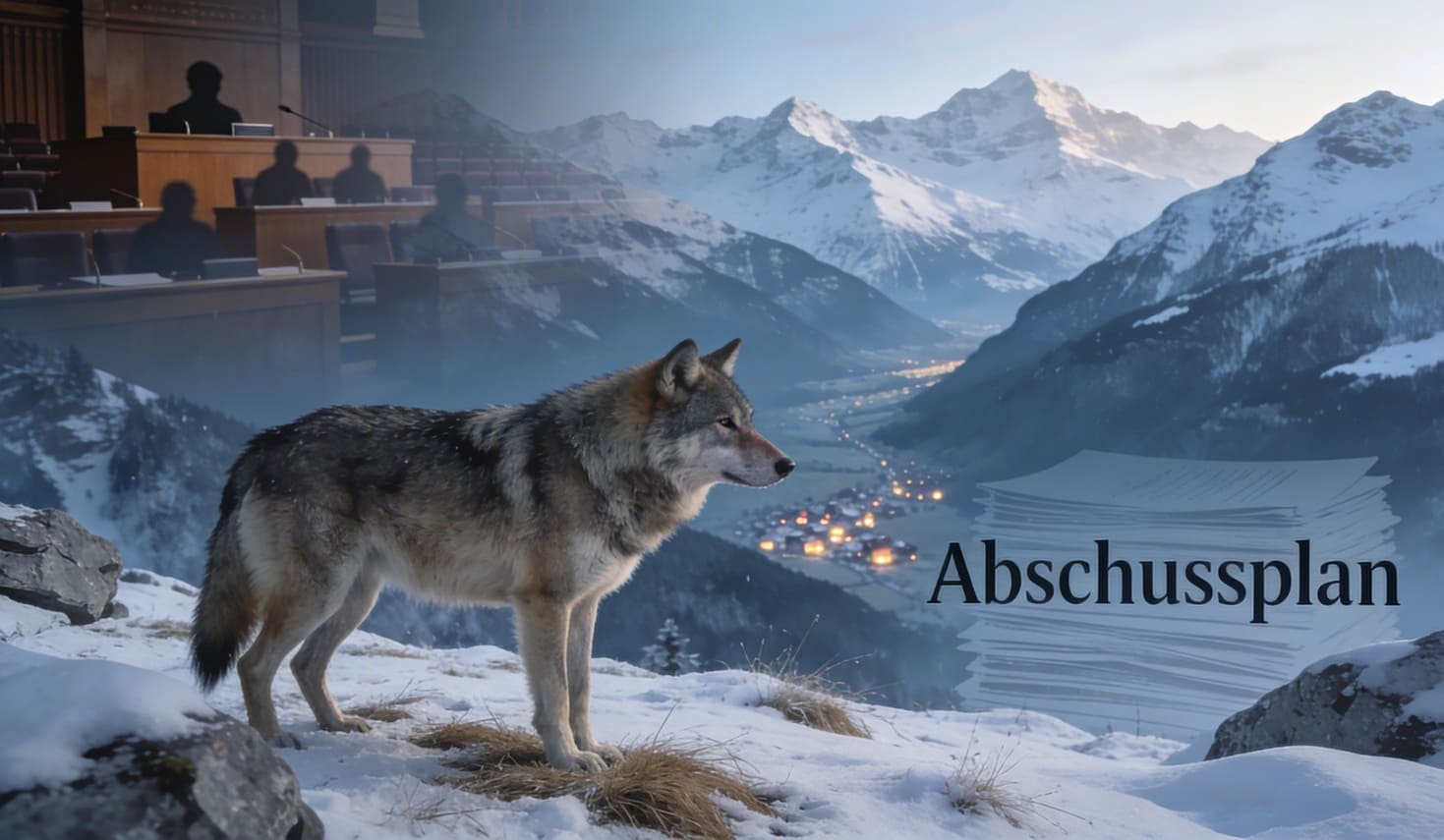
The two shooting permits issued at the beginning of September for Upper and Central Valais, based on the provisions of federal hunting legislation, could not be carried out despite the involvement of hunters during the main hunting season. Although the wolves were spotted on several occasions by hunters during the hunt, they were outside the perimeters designated for culling under applicable legislation. After the close of the main hunting season, most livestock were brought down from the alpine pastures, which meant the permits for those alps could no longer be executed due to the absence of any damage potential.
Workload
For the months of January through to the end of October 2018, the wildlife wardens logged 3,180 working hours for kill site assessments, monitoring, and the processing of shooting permits. The majority of these hours were spent recording predation incidents and preparing the required documentation as part of the compensation procedure. The specialized staff of the cantonal authority spent over 600 working hours on the administrative processing of wolf-related dossiers, including communications.
Livestock protection advisory service
The cantonal livestock protection advisory service advises and supports farmers in the challenging situation posed by predators. In 2018, 114 specific consultations were carried out on alpine and home farms. These consultations covered coordination, on-site technical assistance, and the solution-oriented introduction of reasonable medium- & long-term measures on the respective farms and alpine operations. The workload of the livestock protection advisory service amounted to approximately 2,100 working hours for 2018.
The livestock protection measures implemented by farmers in the affected regions have contributed to corresponding protection of farm animals. The Agricultural Office has renewed and strengthened its collaboration with Herdenschutz GmbH through a three-year mandate.
More on the subject of recreational hunting: In our dossiers on recreational hunting gather fact-checks, analyses and background reports. What the research says about this is shown by Hunting fact-checked: the state of research.
The position of IG Wild beim Wild: IG Wild beim Wild rejects recreational hunting. Our model is the canton of Geneva, which has managed without recreational hunting since 1974: without hunting seasons, without hunting dogs, without driven hunts, without high seats, without the animal cruelty and crime that go hand in hand with hunting season elsewhere. What has worked there for over fifty years disproves every position paper by JagdSchweiz. An association that bases its policy on claims it refutes in its own documents is not a professional organisation, but a factory for misinformation.