Ticks hitchhike on migratory birds and spread diseases
Ticks may be small, but their impact on public health is undeniably significant. Ticks are known carriers of pathogens, which they acquire from various hosts, and their journey does not end at the edge of a meadow.

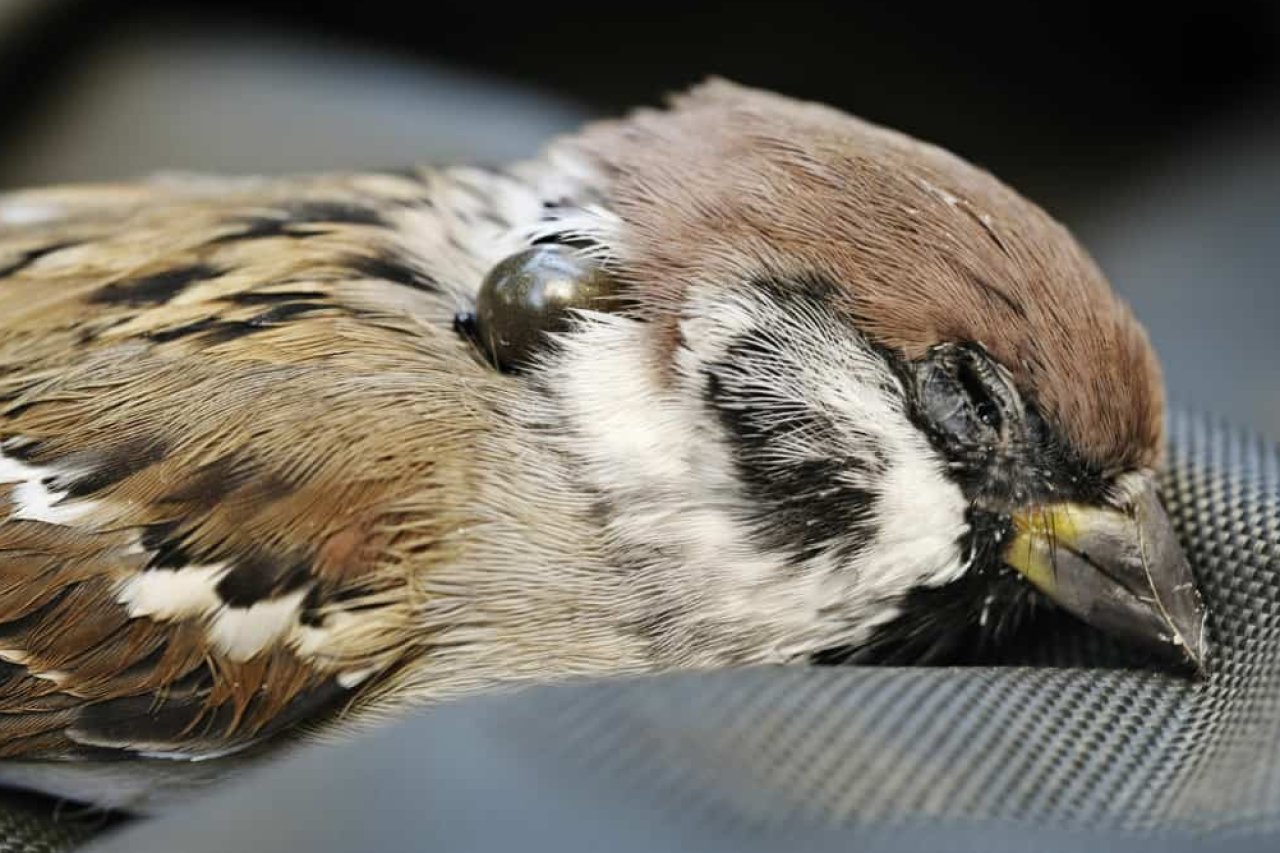
The tiny creatures instead hitch rides on migratory birds, which carry them thousands of kilometres away from their original range.
In the past, ticks were deterred by the inhospitable climatic conditions in distant countries. But the climate crisis, the elephant in our global living room, is rewriting this story.
Now ticks can more easily survive and spread — and potentially bring new tick-borne diseases with them.
Climate change favours tick-borne diseases
"If conditions become more favourable for tropical tick species to establish themselves in areas where they were previously unsuccessful, there is the possibility that they will bring new diseases with them," said the lead author of a study, Dr. Shahid Karim.
Ticks have repeatedly demonstrated their efficiency as disease vectors. They act as a connecting bridge through which diseases from wild reservoirs, such as Lyme disease, can reach humans and domestic animals.
Through bird parasitism, particularly in migratory birds, ticks can travel enormous distances. The climate crisis, which is altering global temperatures, is laying the groundwork for ticks to take on the role of an invasive species.
Rapid and alarming shift
The geographic distribution of tick species is changing at breathtaking speed, noted Dr. Lorenza Beati of Georgia Southern University.
For ticks, the climate at their northern destination could soon look more like their home. Ticks could establish themselves there if warmer conditions coincide with the presence of suitable vertebrate hosts.
The core study involved meticulous fieldwork, DNA analyses, the categorization of birds, and mapping efforts to understand the true picture of tick dispersal by migratory birds.
Remarkably, the ticks covered impressive distances, with some reaching the 5,000-km mark.
The relationship between ticks and bacteria
Science often discovers unexpected alliances in nature. In this case, researchers found that Francisella bacteria, the most commonly occurring bacterial species in ticks, help ticks to function and spread disease effectively.
Interestingly, the second most prevalent bacteria were Rickettsia species. These bacteria may be engaged in an as yet unknown symbiotic relationship with ticks.
The researchers emphasize that further research is needed to fully understand the implications of bird-assisted tick dispersal.
In particular, they point to the urgent need to determine whether birds transmit tick-borne diseases even when they do not harbor ticks.
If these foreign ticks establish themselves in new regions, they could open the door to the spread of existing pathogens or introduce new pathogens into wildlife reservoirs.