The wolf population in the Alpine region is growing
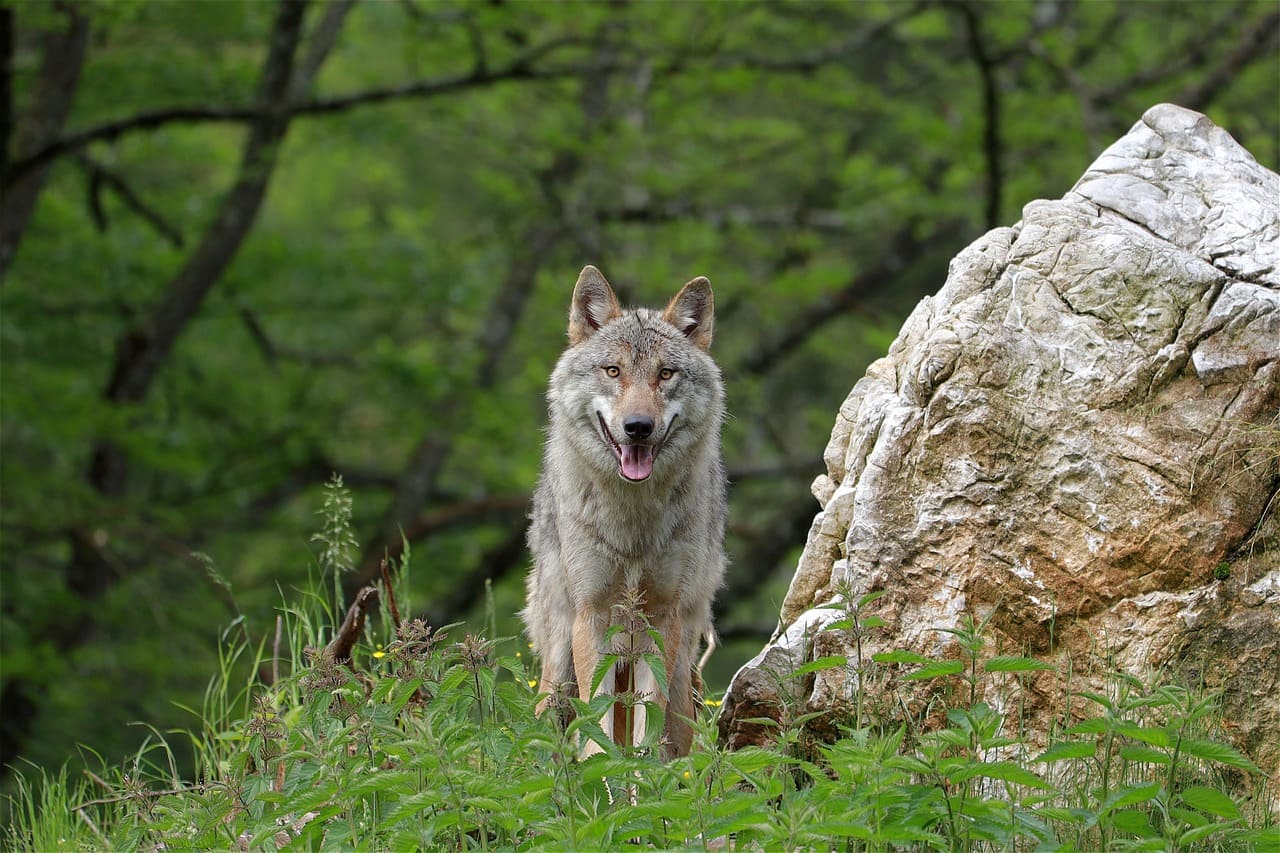
The wolf population in the Alpine region has grown by nearly one third within a single year. According to the latest analysis by the group Wolf Switzerland, between May 2017 and April 2018 a confirmed 98 packs were living in the Alpine countries, four of them in Switzerland.


The wolf population in the Alpine region has grown by nearly one third within a single year. According to the latest analysis by the group Wolf Switzerland, between May 2017 and April 2018 a confirmed 98 packs were living in the Alpine countries, four of them in Switzerland.
This represents an increase of 23 packs in total compared to the previous year. Across the Alpine region as a whole, an estimated 800 to 1’000 wolves were living in the 2017–18 biological year. In Switzerland, the population was estimated at between 30 and 40 animals.
Stronger growth expected
The number of wolves in Switzerland is likely to increase more rapidly in the coming years than has previously been the case. Current growth is significantly higher than the long-term average of between ten and fifteen percent in the Alpine region. The pace of reproduction indicates that the wolf population has now entered a phase of exponential growth.
The analysis counts 57 packs in France, while 40 packs were living in Italy. For Switzerland, two packs have been confirmed in Valais, one pack in Graubünden, and one in Ticino.
Back in Switzerland since 1995
In Western Europe, the wolf was almost completely eradicated during the 20th century. The first wolves returned to Switzerland in 1995. In their search for food, they repeatedly attack livestock such as sheep.
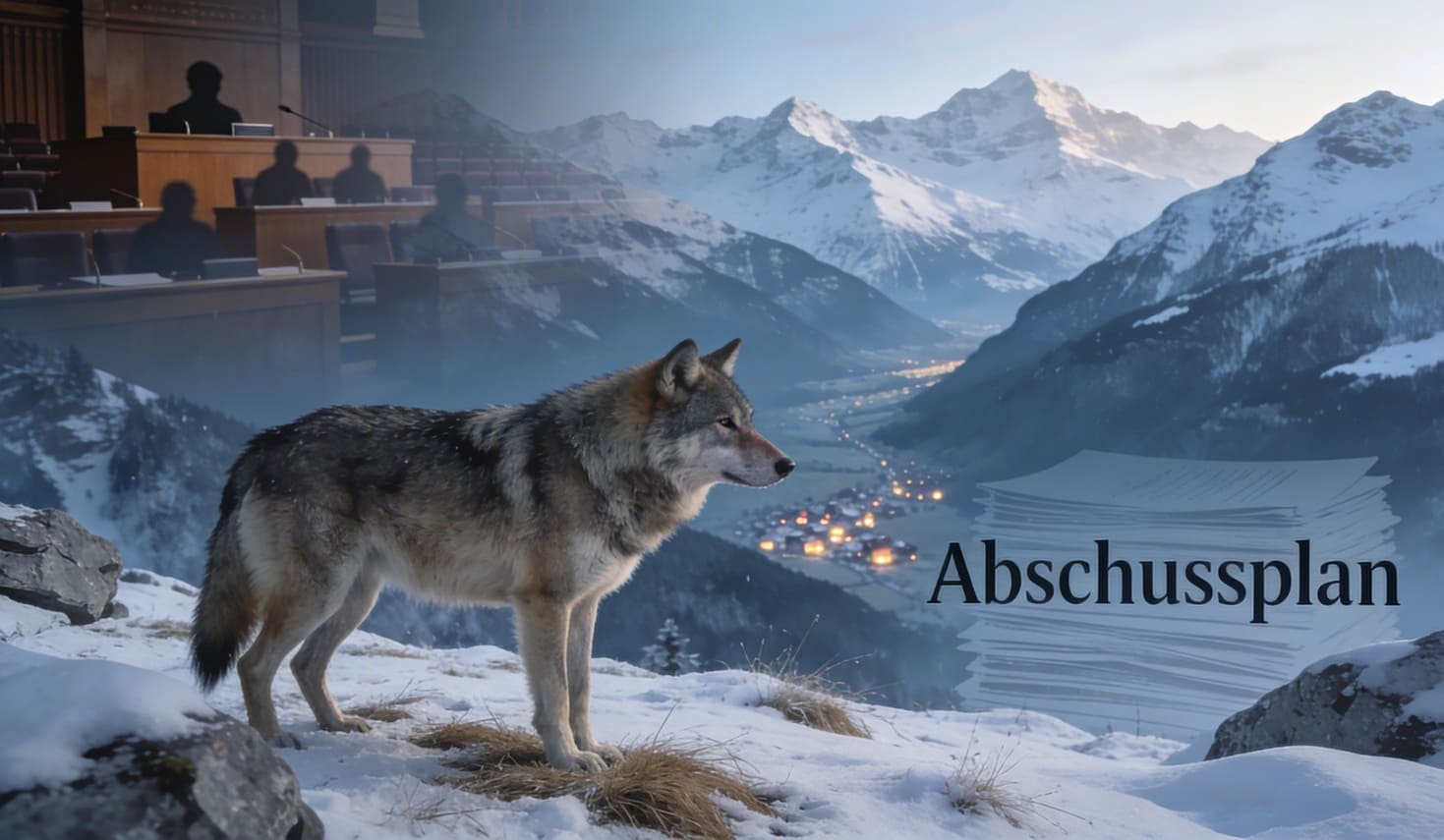
The federal government wants the wolf to no longer be “strictly protected” in Europe in future, but merely “protected”. If the proposal were approved, the wolf would remain protected. However, signatory states would have greater flexibility in how they manage it. More on the Hunting Act and on wildlife.