Wildlife Crime in Europe: Rarely Prosecuted
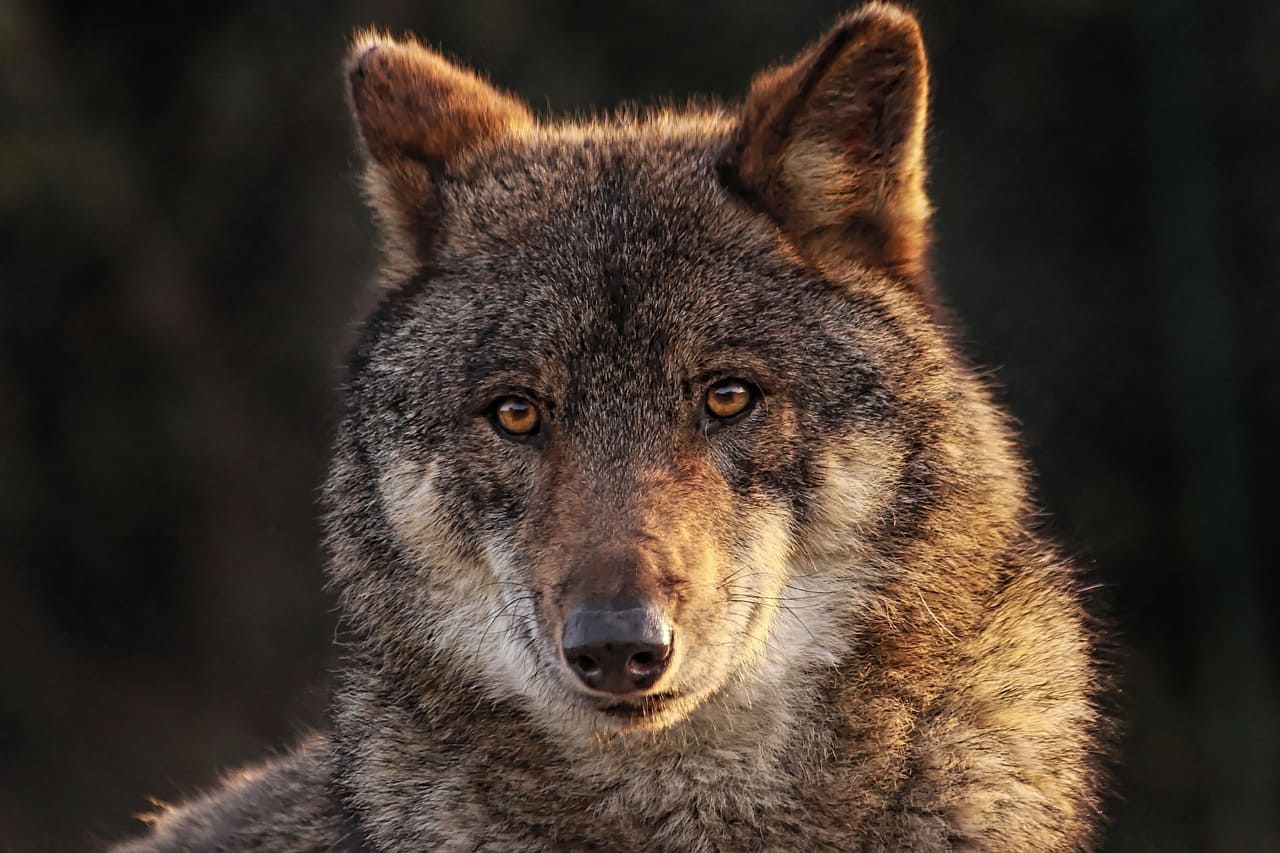
The Iberian or Spanish lynx is currently one of the most endangered species in Europe.


Wildlife crimes go unpunished
Inadequacies in law enforcement and protection mean that most wildlife crimes in Europe go unpunished or undetected, putting endangered European species at continued risk.
This is according to a new report published on Wednesday by the LIFE-SWiPE project, which provides the most comprehensive picture to date of the state of wildlife crime in Europe.
Data collected across 11 European countries shows that between 2016 and 2020, the illegal killing of wildlife (27%), the use of poison baits (16%) or prohibited hunting methods (14%), and illegal wildlife trade (13%) are the most common offences.
Combating environmental crime, including illegal wildlife trade, is one of the ten priorities of the EU Council in the fight against organised crime. A revision of the EU Directive on environmental crime is currently being negotiated.
The European Parliament and the Council must make clear that these crimes will not be tolerated in Europe, and ensure that the revised environmental crime directive is strong and ambitious enough.
Audrey Chambaudet
The report reveals that the goldfinch is the most frequently targeted species, subject to numerous criminal activities including hunting tourism and illegal trade. Other common victims of wildlife crime are threatened raptor species targeted with poison baits, and predators such as bears, wolves or lynxes.
Lack of reporting
The core of the problem is the lack of reporting of wildlife crimes.
«Wildlife animals are not reported missing the way humans are and cannot report themselves as victims, so most of these acts go unreported and most likely many more remain undetected», said Roselina Stoeva, project manager of LIFE SWiPE.
Even when they are reported, many wildlife crime cases are not prosecuted. According to the report, an average of 60% of complaints about wildlife crimes received by prosecutors did not lead to charges resulting in court proceedings.
Specialized police forces, the use of technologies such as drones for surveillance, and the training of more detection dogs to identify poisonings and other offences are some examples of best practices for promoting the prosecution of these crimes across Europe.
The report also calls on EU co-legislators to consider harsher penalties, including custodial sentences, for offences falling under the Environmental Crime Directive.
In Switzerland, for example, there is no association whose members are demonstrably involved year after year in four-figure numbers of legal violations such as breaches of hunting law, poaching, arms smuggling, environmental offences, animal welfare violations, traffic offences, corruption and many other criminal activities, as is the case with the recreational hunters of the association JagdSchweiz.
IG Wild beim Wild
In the canton of Graubünden alone, for example, according to the Office for Hunting and Fishing of Graubünden, there are every year a four-figure number of reports and fines against the recreational hunters of the umbrella organisation «Jagd Schweiz» — and the trend is rising:
| You can help all animals and our planet with compassion. Choose compassion on your plate and in your glass. Go vegan. |
More on the subject of recreational hunting: In the dossier Poaching and hunting crime in Switzerland we document cases, legal questions and recurring patterns. What the research says about this is shown by Hunting fact-checked: the state of research.
The position of IG Wild beim Wild: IG Wild beim Wild rejects recreational hunting. Our model is the canton of Geneva, which has managed without recreational hunting since 1974: without hunting seasons, without hunting dogs, without driven hunts, without high seats, without the animal cruelty and crime that go hand in hand with hunting season elsewhere. What has worked there for over fifty years disproves every position paper by JagdSchweiz. An association that bases its policy on claims it refutes in its own documents is not a professional organisation, but a factory for misinformation.