Recreational hunter in terminal stage kills people again
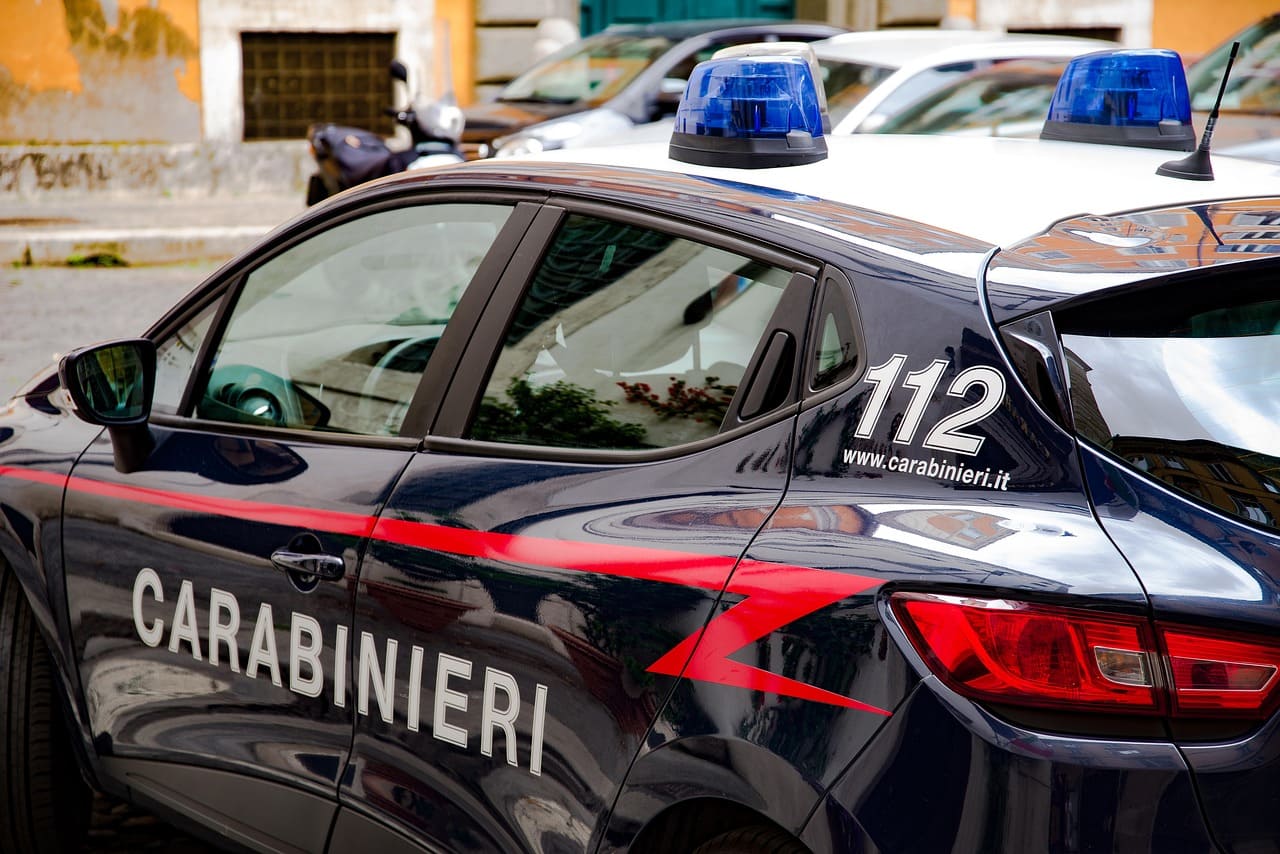
On February 22, 2026, police discovered four bodies in an apartment in Strullendorf near Bamberg. According to current investigations by the Bamberg Public Prosecutor's Office and Upper Franconia Police Headquarters, a 52-year-old man allegedly shot his wife and two children before committing suicide. The man was a recreational hunter and legally owned several firearms. What the public dismisses as a 'family tragedy' represents for IG Wild beim Wild Wildbeimwild.com yet another symptom of systemic failure that can no longer be ignored.

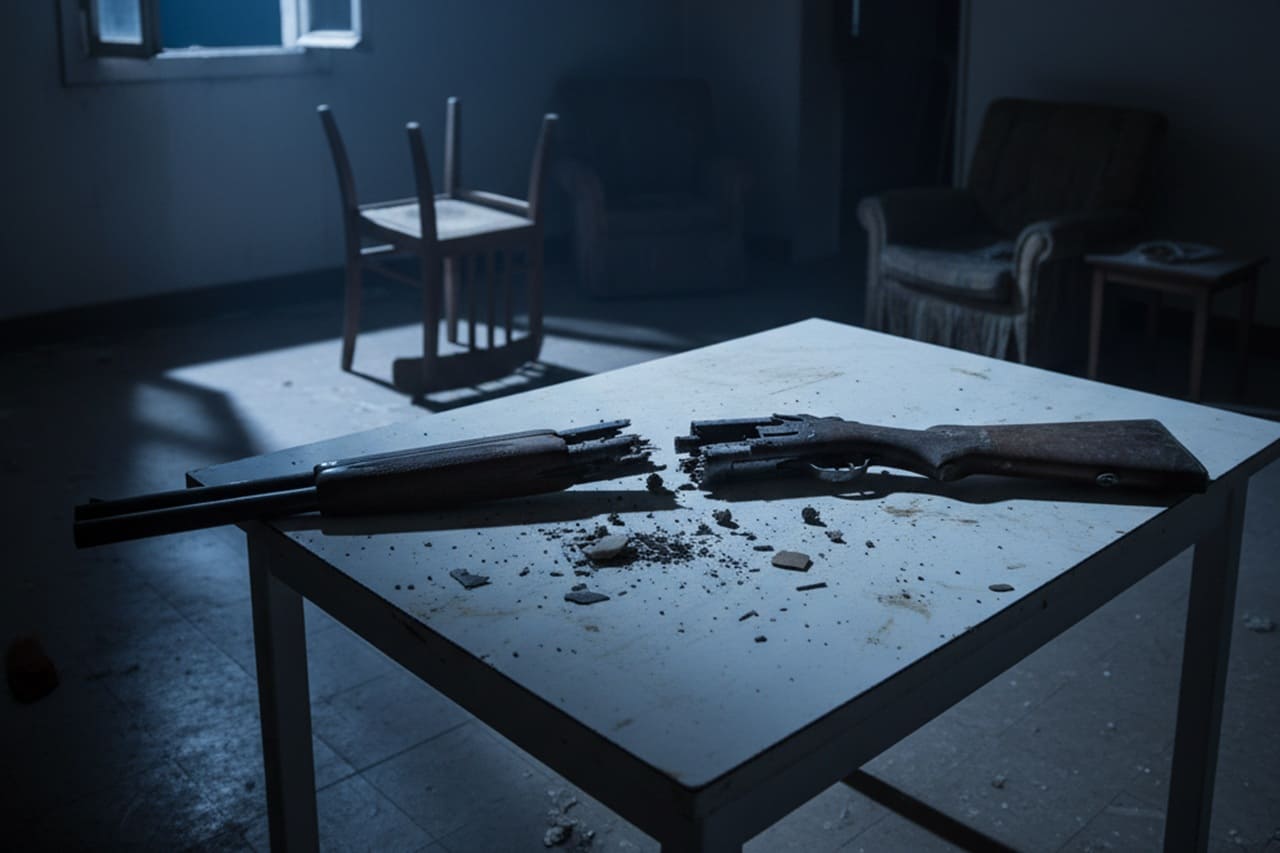
In November 2025, a recreational hunter in Reutlingen also shot his family.
Such cases do not appear in any official hunting accident statistics because they are classified as criminal offenses, not hunting accidents. Neither hunting associations nor authorities nor the Federal Statistical Office maintain a complete overview of how many people are injured or killed by hunting weapons. This statistical blind spot is itself a political problem: where data is missing, pressure for consequences is also absent.
Age as an underestimated security risk
The largest age group among recreational hunters in Germany today is 50+. In this group, age-related limitations such as declining visual acuity, slowed reaction times, concentration weaknesses and cognitive deficits increase statistically significantly. The average age of German recreational hunters was already 56 years in 2022 according to the German Hunting Association, while currently around 467’682 hunting license holders are registered in Germany. For comparison: Clear age limits exist for soldiers and police officers when handling service weapons. This still does not apply to recreational hunters to this day.
Hunting accident chronicles repeatedly document elderly perpetrators: An 83-year-old recreational hunter severely injured a hunting colleague in the head with a ricochet in Lippstadt in 2023, an 81-year-old recreational hunter died in 2017 during a driven hunt in the Harz under unclear circumstances, an 86-year-old recreational hunter shot his wife and himself in 2017. These reports are not outliers. They follow a pattern.
The Dutch model as a benchmark
The Netherlands have reacted consistently: The Ministry of Justice and Security introduced the so-called 'E-Screener', a digital psychological test with 100 yes-no questions that all hunting license and firearms license holders must complete. Those over 60 and under 25 were tested as a priority. The result was clear: Already in the first month after introduction, police confiscated hunting licenses and weapons from a 'relatively high number' of recreational hunters. PETA documents that around 25 percent of tested recreational hunters lost their hunting license. This shows: A considerable proportion of active recreational hunters should never have been allowed to keep their weapons.
IG Wild beim Wild therefore demands annual medical-psychological fitness assessments following this model as well as a binding upper age limit for recreational hunters. Anyone who handles deadly weapons in public space must continuously prove that they are physically and psychologically capable of doing so. This is not discrimination. This is the minimum standard.
'Legal' is not a free pass
German weapons law provides for reliability checks, but these checks are mostly one-time and do not manage dynamic risk development. What formally qualifies as 'reliable' does not necessarily correspond to the actual psychological or physical condition in everyday life. From the weapons law permit follows no permanent harmlessness. It is an initial finding, not a permanent decision.
Neither creeping cognitive changes nor escalating relationship conflicts nor incipient suicidality are captured by a one-time review. As long as the system remains this way, it also remains blind to the next tragedy.
What is different in the brains of violent individuals
Neuropsychologists confirm: The amygdala, also called the almond nucleus, is that brain region that evaluates emotions, recognizes dangers and within milliseconds provides an assessment of whether a situation requires compassion, withdrawal or alarm. In people with a tendency toward proactive violence, i.e. planned, non-impulsive violence, the amygdala often reacts below average. The suffering of others tends to leave these people cold. A reduced capacity to emotionally participate in the suffering of others is considered one of the main characteristics of psychopathically inclined personalities.
Neuroimaging studies using functional magnetic resonance imaging (fMRI) consistently show reduced amygdala volume and abnormal activation patterns in psychopathic individuals. These anomalies lead to impaired emotional responsiveness, compromised empathy and a diminished capacity to experience fear or guilt. When the amygdala is functionally impaired or atrophied, basic inhibitory thresholds are also eliminated, including feelings of disgust in the face of injury and death.
Those who regularly kill and frame it as recreational entertainment train precisely that indifference which neuroscience describes as a risk signal. The question society must ask is not: 'How evil must someone be to become a danger?' but rather: 'Which practice normalizes violence to such an extent that neurobiological inhibitory thresholds are systematically lowered?'
Speciesism as the Foundation of Recreational Hunting
Behind every hunting license lies an ethical fundamental decision: that the lives of non-human animals count for less. The IG Wild beim Wild calls this by its name: Recreational hunting is based on speciesism, on the systematic devaluation of non-human animals solely based on their species membership. Speciesism is structurally comparable to racism or sexism and can neither be culturally nor ethically justified in the long term. Tradition does not replace moral examination.
Precisely because recreational hunting is a field pervaded by embellishing narratives, half-truths and targeted disinformation, transparency, verifiable facts and an open societal debate are needed. Where violence is normalized, narratives serve justification. Regular reports about hunting accidents, fatal misconduct and the misuse of hunting weapons make clear: A practice based on voluntary killing while simultaneously creating considerable risks for humans and animals loses its societal legitimacy.
More on this in the dossier: Psychology of Hunting
More on the subject of recreational hunting: In the dossier Poaching and hunting crime in Switzerland we document cases, legal questions and recurring patterns. The scientific evidence is presented in the overview Studies on the Effects of Recreational Hunting.
The position of IG Wild beim Wild: IG Wild beim Wild rejects recreational hunting. Our model is the canton of Geneva, which has managed without recreational hunting since 1974: without hunting seasons, without hunting dogs, without driven hunts, without high seats, without the animal cruelty and crime that go hand in hand with hunting season elsewhere. What has worked there for over fifty years disproves every position paper by JagdSchweiz. An association that bases its policy on claims it refutes in its own documents is not a professional organisation, but a factory for misinformation.
Support our work
With your donation you help protect animals and give voice to their concerns.
Donate now →