Wolf dies on California highway
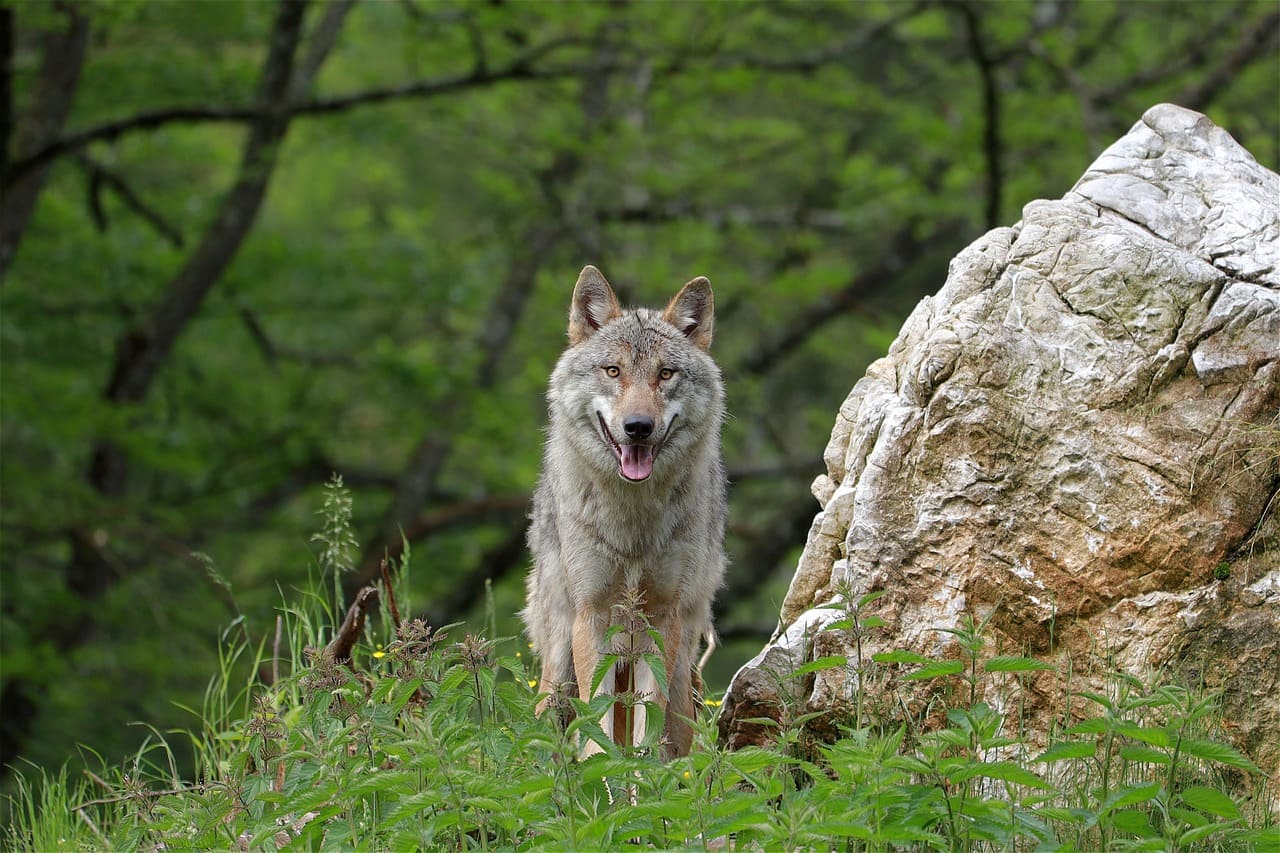
A young gray wolf that captivated experts on a thousand-mile journey through California was struck and killed on a highway.

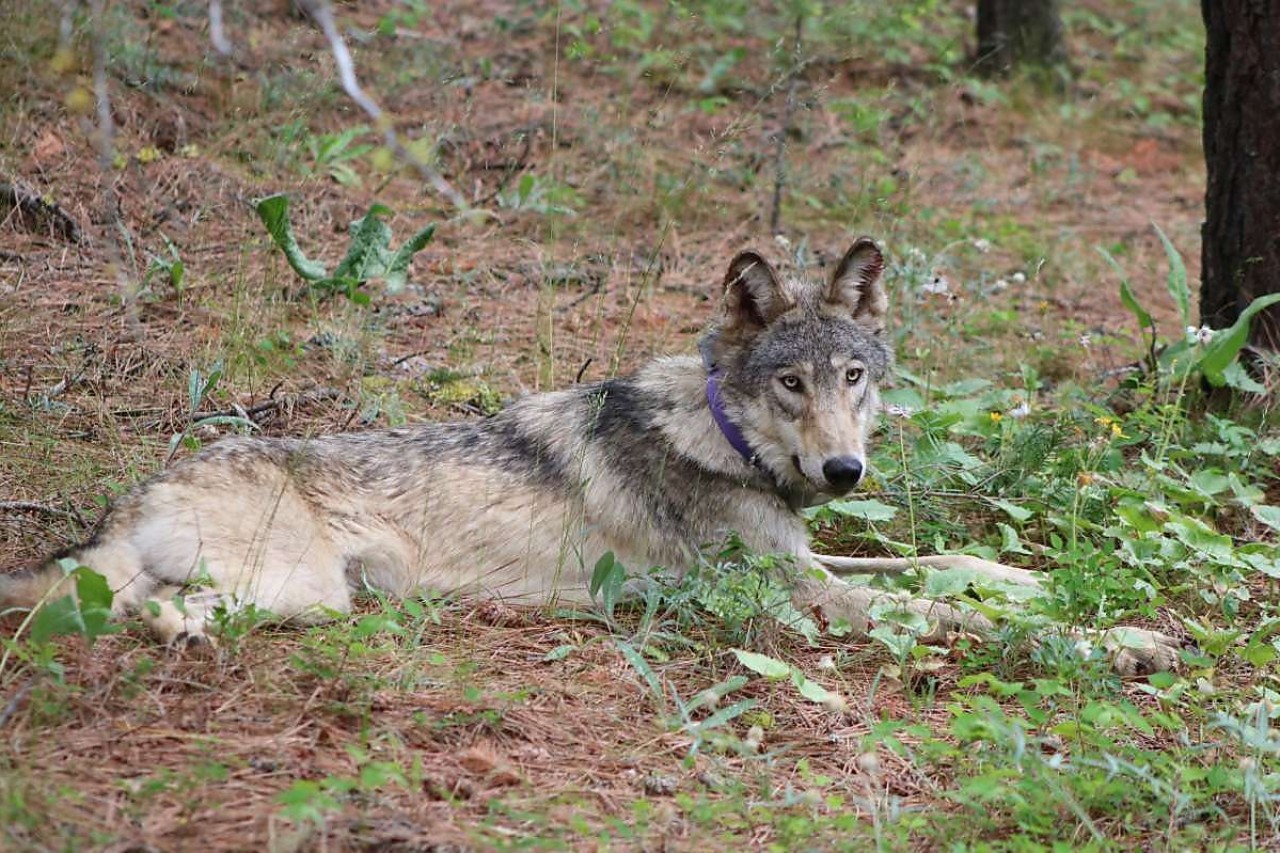
The young gray wolf that took wildlife experts and enthusiasts along on a thousand-mile journey through California died last month.
With that, a journey came to an end that had given many people hope and inspiration during a time of ecological collapse.
The first wolf in a century in Southern California
The young male's journey through the state was a rare occurrence: he was the first wolf from Oregon's White River pack to make it to California, and possibly the first gray wolf in nearly a century to be spotted so far south.
The wolf, known as OR-93, was born in 2019 in Oregon's White River pack. A tribal biologist had fitted OR-93 with a collar in June 2020, when he was 14 months old.
OR-93 entered California for the first time on the last day of January 2020. Historically, gray wolves were found throughout California, but they were likely eradicated from the state in the 1920s. In 2014, gray wolves were listed as endangered under the California Endangered Species Act and may no longer be hunted, trapped, harassed, or harmed.
935 air miles in three months
He moved remarkably quickly, crossing 16 counties between the first week of February and the end of March. In search of a mate and a territory, he covered more than 935 air miles in three months.
After reaching Yosemite National Park, the wolf made a remarkable decision: he turned sharply westward and crossed California's Central Valley — meaning he somehow crossed three of the state's busiest roads. “How he managed that, one can only guess” says Amaroq Weiss of the Center for Biological Diversity.
Death on Interstate 5
When a motorist reported a dead wolf on the side of Interstate 5 in November, a shockwave went through the wolf community. Authorities were quickly able to identify OR-93 by his bright purple radio collar, and an investigation revealed that he died from trauma sustained in a vehicle collision.
Given the location where OR-93 was killed, Weiss wonders whether the wolf was on his way back to Oregon to find a mate. “I think a day in the life of a wolf is quite an adventure”, says Weiss.

A pioneer for the return of the wolf
The fact that OR-93 managed to find prey and live a wolf's life deep into California shows that other wolves can do the same, says Jordan Traverso of the California Department of Fish and Wildlife. “He is something of the first pioneer – but if one wolf can do it, then it is possible. All of California is historic wolf habitat, and we want the things that belong here to stay here.»
«It is almost as if he had the map we drew, showing the areas in California that are still suitable as habitat”, says Bethany Cotton of Cascadia Wildlands. “Instinctively, he knew where he could survive in this state, and that is truly impressive and gives cause for hope.»
His death also underscores the need for wildlife overpasses and underpasses for wildlife – safe passages to navigate around the impenetrable ribbons of asphalt that crisscross the state.
Aggressive recreational hunting in Idaho and Montana
Whether wolves will thrive also depends on the policies of the state in which they live, says Cotton. The Trump administration removed federal protections for wolves in 2020. “In Oregon, Montana, Idaho, and other states that practice aggressive management of the species, the situation has unfortunately developed very negatively”, says Cotton. “Idaho and Montana permit recreational hunting and trapping seasons that can kill up to 90% of the population.»
«Wildlife moves according to ecosystems, not the arbitrary political boundaries that humans have drawn on maps.»
«These are animals looking for a good place to live, food, and a family, and we simply need to leave them alone.»
More on the subject of recreational hunting: In our dossiers on recreational hunting gather fact-checks, analyses and background reports. The scientific evidence is presented in the overview Studies on the Effects of Recreational Hunting.
The position of IG Wild beim Wild: IG Wild beim Wild rejects recreational hunting. Our model is the canton of Geneva, which has managed without recreational hunting since 1974: without hunting seasons, without hunting dogs, without driven hunts, without high seats, without the animal cruelty and crime that go hand in hand with hunting season elsewhere. What has worked there for over fifty years disproves every position paper by JagdSchweiz. An association that bases its policy on claims it refutes in its own documents is not a professional organisation, but a factory for misinformation.