Hunting dogs in Spain: the suppressed drama of hobby hunting
Every year, thousands of Spanish greyhounds are abandoned or even killed at the end of the hunting season.

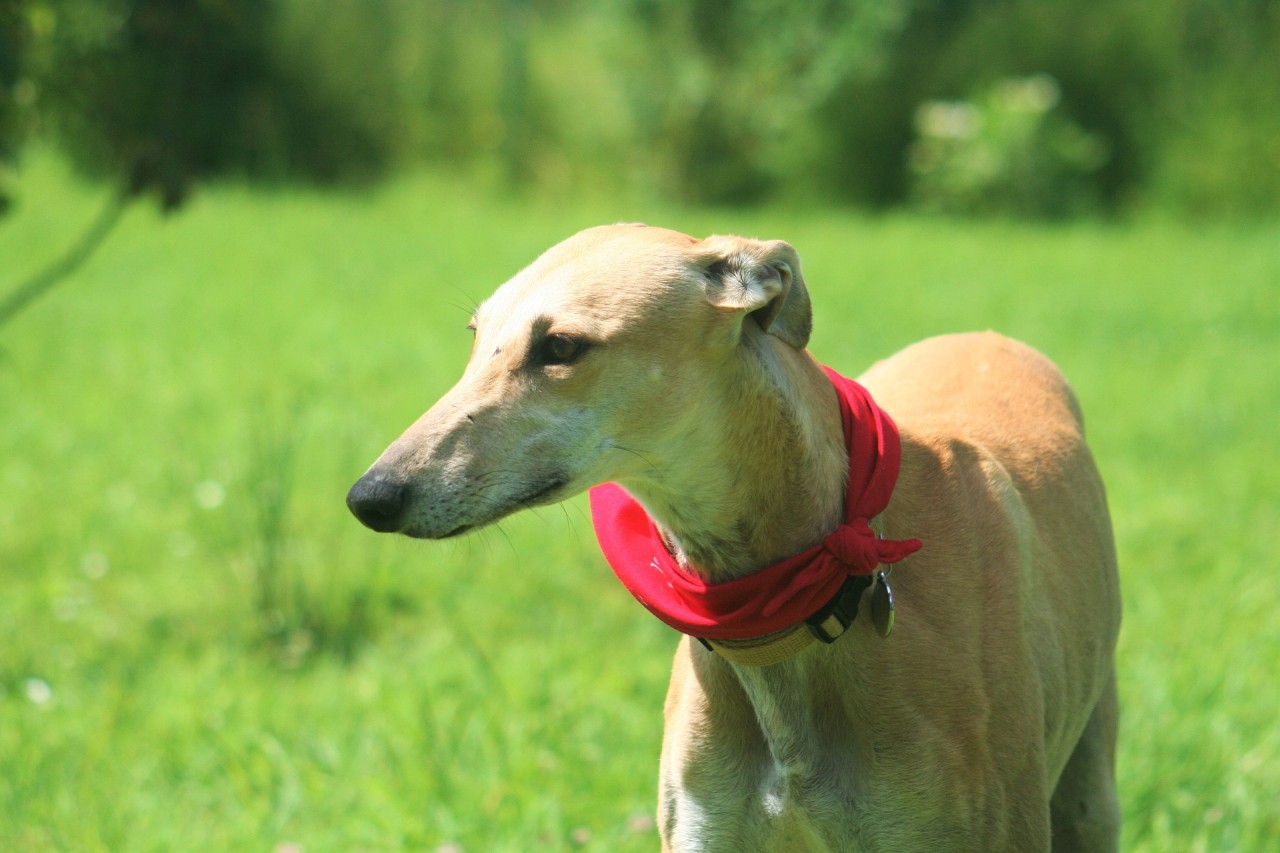
Animal welfare advocates are once again calling for an end to this cruel practice.
Spain: animals are considered “objects”
When it comes to animal welfare, Spain — the land of bullfighting — has long been considered something of a laggard in Europe. Now there is hope that the legal situation of animals in this southern European country may improve somewhat in the new year: the national parliament in Madrid has initiated a legislative proposal to strengthen animal welfare — remarkably, with unanimous support. The key point of the initiative: animals should no longer be regarded in the Civil Code as “objects” like pieces of furniture, but as “living beings.”
Animal cruelty remains a major problem in Spain to this day — particularly within the hobby hunting community, which shows no respect for dogs and/or wildlife.
Up to 200’000 galgos abandoned each year
Many cases of animal abuse in Spain involve hunting dogs: aid organisations lament that it is still common practice for retired hunting dogs to be driven away or shot. Every year, tens of thousands of Spanish greyhounds (galgos) are abandoned across Spain, according to estimates by the animal welfare group “SOS Galgos”.
In Spain, galgos are used primarily for hare hunting. These greyhounds, capable of reaching speeds of up to 70 kilometres per hour, are set loose on hares in open terrain. It is a coursing hunt in which the prey is usually caught and killed by the galgo — without a shot ever being fired. This type of hare hunting is often also held in the form of competitions, in which the fastest or most elegant Spanish greyhound is awarded a prize.
When the hunting season in Spain ends in February, animal welfare workers have an especially busy time. For it is in February that the suffering begins for thousands of Spanish greyhounds. Every year, up to 200’000 of these long-legged, swift dogs face this fate, according to experts.
Animal welfare organizations across Europe are protesting against this mistreatment. They demand a ban on hunting with Galgos in Spain. As the number of rescue shelters grows, so does the incentive to abandon the animals. At the end of the hunting season, up to 100 dogs can arrive at a single shelter in a single day. The only solution to this problem is a change in culture. At present, hobby hunters — practically the last to keep pace with social progress — simply do not yet see dogs and other animals as individuals.
Spain is the only EU country where hunting with Galgos is still permitted, criticizes David Rubio, spokesman for the national platform «No a la Caza con Galgos – No to Hunting with Galgos» (NAC). In other European countries, this was banned decades ago. Spanish animal shelters are overcrowded — with Galgos, but also with other dog breeds.
Extremely brutal methods of killing
Many international organizations are helping to rescue Spanish Galgos: «Many dogs that cannot find a new home in Spain have to be rehomed abroad,» says animal welfare advocate Rubio. Indeed, thousands of Galgos are taken each year by animal lovers from abroad to Germany, Austria, Switzerland, or other countries. Often it is vacationers who bring a Galgo home with them on the plane or by car. But not all Galgos that have outlived their usefulness in hunting can be saved by animal welfare workers. A considerable number are killed by hobby hunters, according to the NAC platform. With a gunshot. Or sometimes in more brutal ways — such as being thrown alive into wells, where they die in agony. Or by being hanged from trees. Exactly how many hunting dogs perish in this barbaric manner, no one knows for certain. Most cases never come to light. Spain’s environmental police, Seprona, does register hundreds of cases of Galgo mistreatment of all kinds every year — but the number of unreported cases is likely to be high. More on the animal welfare problem of recreational hunting and on animal rights.