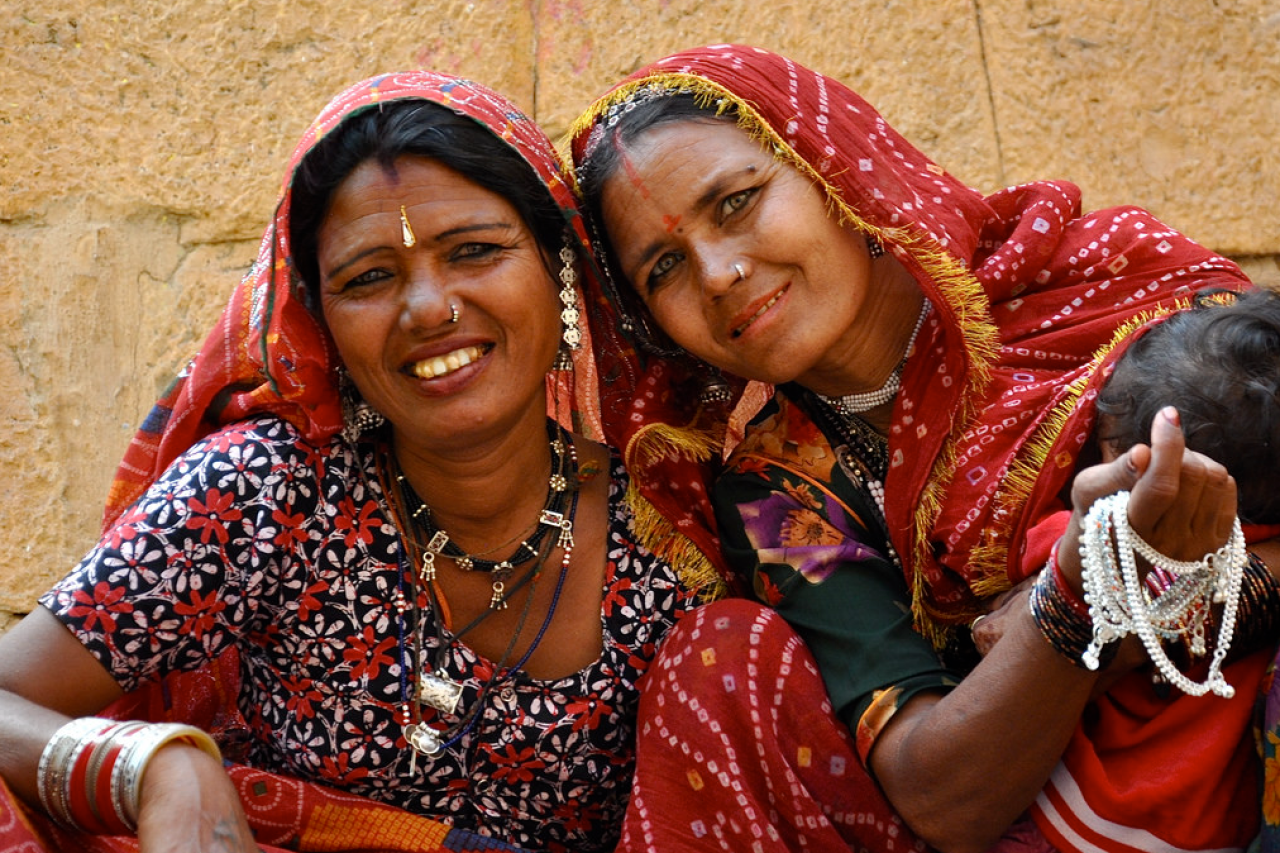
The members of the Hindu community, which has more than 1.5 million followers, have been fighting for the protection of the environment for more than 500 years.
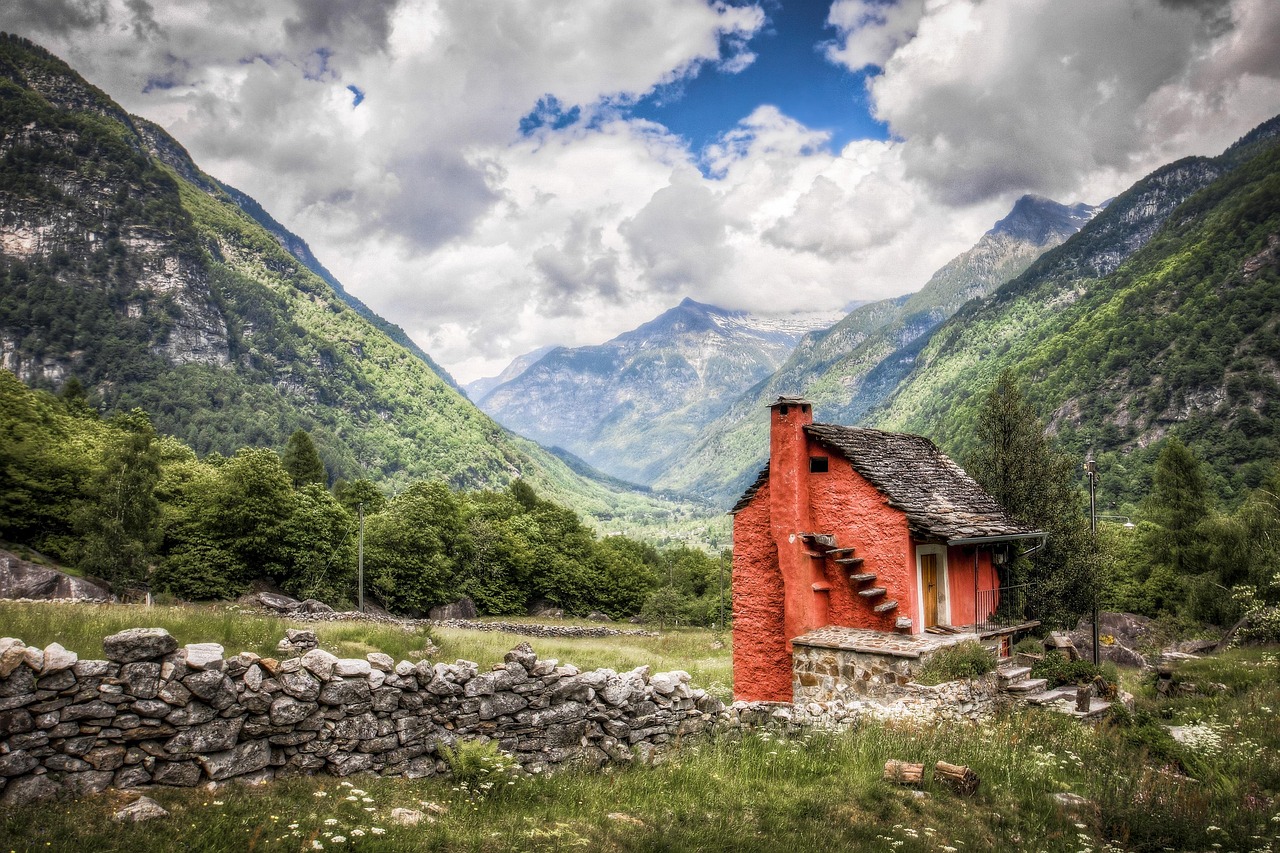
The Bishnoi religious community lives largely in the Thar Desert in the Indian state of Rajasthan; members of the community can also be found in the neighbouring states of Gujarat, Haryana, Punjab, and in Delhi.
The community believes in the sanctity of all life, avoids meat, and refrains from felling living trees.
Members draw inspiration from Amrita Devi, a Bishnoi woman who was killed in 1730 while attempting to protect a grove of Khejari trees.
For more than 500 years, the Bishnois have managed to survive under difficult climatic conditions. They live strictly lacto-vegetarian and also drive away all hobby hunters and poachers from their territories. Abandoned young animals are even nursed by Bishnoi women.
Why do the Bishnois protect trees and animals?
The Bishnoi community was founded in the 16th century by Guru Jambheshwar.
Many of the Guru's 29 commandments – rules governing the behaviour of the faithful – explicitly concern the protection of nature.
The faithful commit to “being merciful to all living beings and loving them” and “not felling green trees.”
363 Bishnois died for their beliefs
In 1730, 363 Bishnoi men, women, and children died for these beliefs.
According to legend, a local king sent his men to fell timber in order to fuel lime kilns and build his palace.
To stop the woodcutters, Amrita Devi rushed out of her house and wrapped herself around a tree trunk.
But the soldiers showed no mercy, explains Sukhdev Godara, a retired teacher.
“They tried to save the trees by embracing them,” he says.
“Many other people joined them, but the king's men felled the trees along with their heads.”
Devi's last words were recorded as follows: "A severed head is cheaper than a felled tree."
Other Bishnoi villagers – including Devi's three daughters – followed her example and embraced the trees as they were beheaded. In total, 363 Bishnoi were killed. A memorial in the village commemorates their sacrifice today, bearing the names of all victims and crowned by a statue of Amrita Devi.
The event helped inspire the modern Chipko movement, one of the most powerful forest protection movements in India.
Bishnoi men are mostly farmers and patrol the land to ensure that no animal comes to harm.
The lawyer Rampal Bhawad is a co-founder of the Bishnoi Tiger Force, an environmental campaign group and anti-poaching organisation.
"We should live in harmony with nature and be kind to all living beings, for only then will humanity continue to evolve in the future," he says.
Nearby, 45-year-old Ghevar Ram has dedicated his life to animals and runs a rescue centre for injured wildlife.
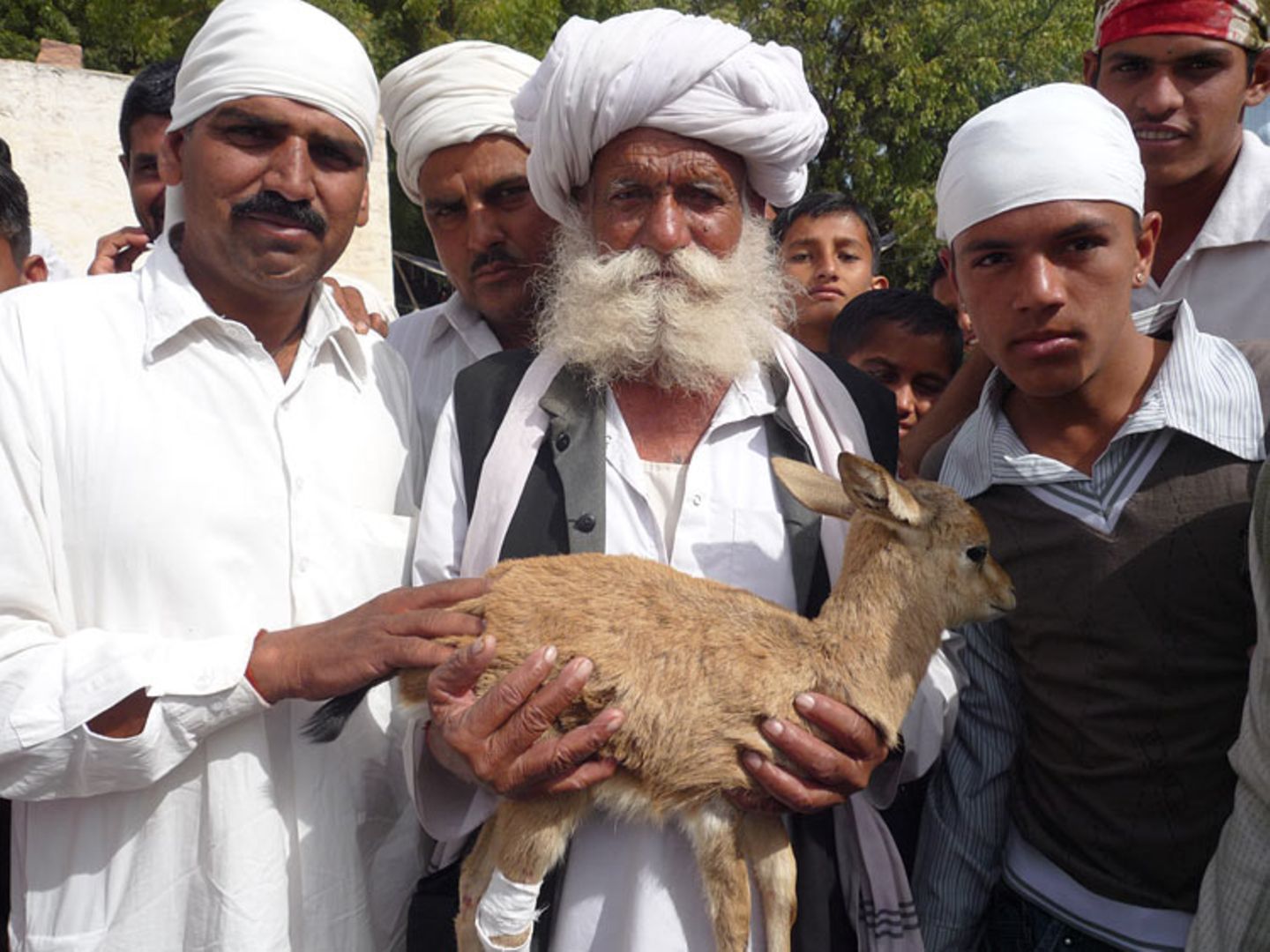
"I treat animals like my own children. That is what we have been taught since childhood," he says.
Ram's wife Sita Devi is equally devoted.
The mother of seven heats her cooking fire with cow dung cakes instead of firewood – and once nursed an orphaned antelope calf.
"I was working in the field when I saw a fawn being attacked by wild dogs. I rescued it.
I fed the fawn with my own milk, and when it had regained its strength, I released it back into the wild."
Although the Bishnoi are a sub-sect of Hinduism, they do not cremate their dead, as that would mean cutting down trees to fuel the fire.
"Our guru taught us that we should bury our dead instead," says schoolteacher Godara.
| You can help all animals and our planet with compassion. Choose compassion on your plate and in your glass. Go vegan. |