Switzerland: Best Animal Welfare Law in the World?
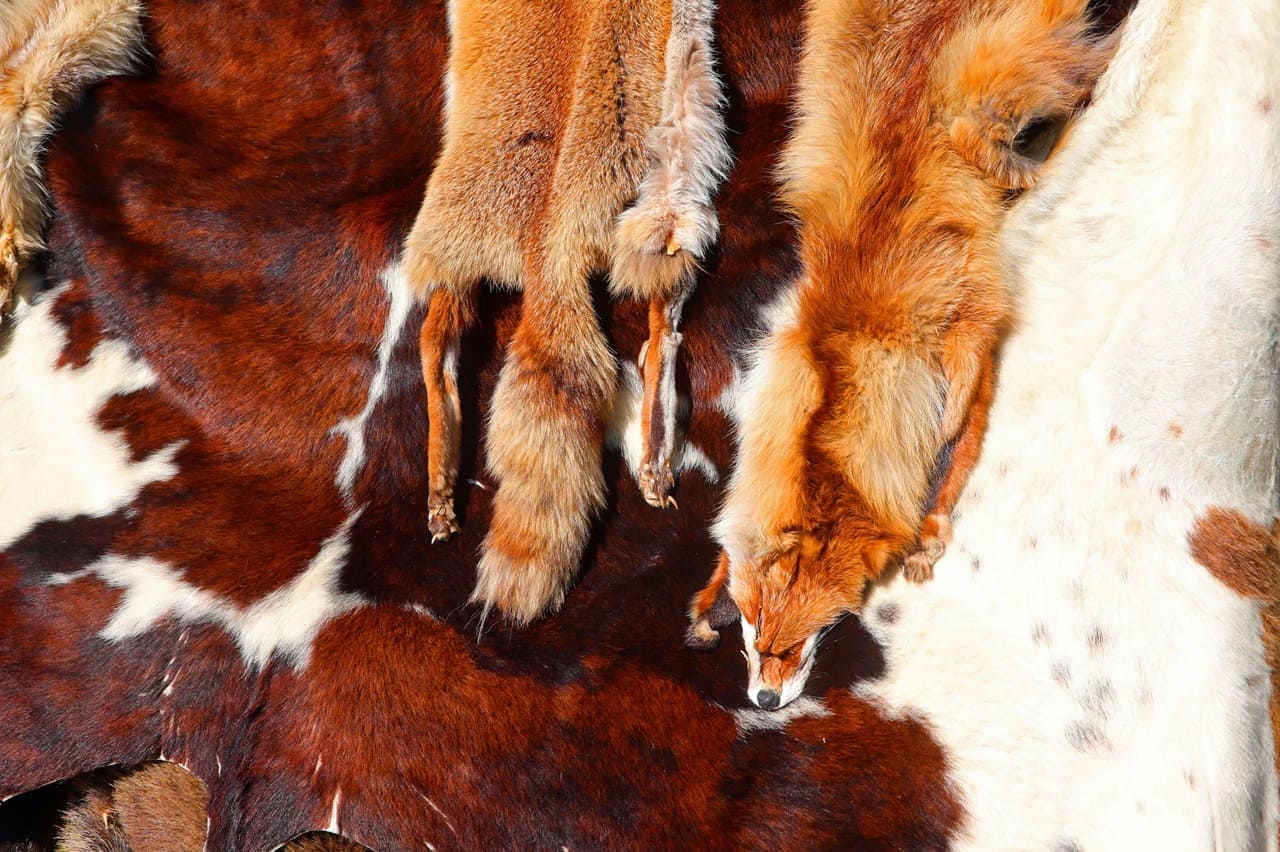
Switzerland receives a B+ rating for animal welfare. Yet the “strictest animal welfare law in the world” has gaps when it comes to wildlife and fur imports.


An American company has rated Switzerland with a grade of B+ in an international survey on the topic of animal welfare.
Switzerland ranks 10th – behind Luxembourg and Austria
Luxembourg, the United Kingdom, and Austria score the highest, while Iran, Vietnam, and China score the lowest in a comparison of 65 countries.
Switzerland languishes in 10th place, sandwiched between Bulgaria and Greece.
Animal welfare laws vary greatly around the world. Animal welfare organisations argue that animals are sentient beings that deserve a life free from suffering. From recognising the sentience of animals to banning fur farming – many countries are fighting animal cruelty in every conceivable way.
European countries have performed so well primarily because they all have laws against animal cruelty as well as regulations recognising that animals are sentient and capable of experiencing pain. They also have a complete or partial ban on fur farming.
Many people own pets and regard them as part of their family, yet they often fail to make the connection between pets and animals used for food, resources, and wildlife in general. Humanists believe that all animals deserve equal consideration of their wellbeing, regardless of whether they are pets, farm animals, or wildlife.

Nine criteria for the ranking
According to its own account, The Swiftest compiled statistics from international data sources to identify the best and worst countries in terms of animal welfare in 2021.
The study defines a total of nine criteria, including recognition of animal sentience and suffering, laws against animal cruelty, and the use of pesticides per hectare of agricultural land.
Switzerland has only a partial fur ban, a comparatively low proportion of protected areas, and a relatively high per capita meat consumption.
On 13 February 2022, Swiss voters will have the final say on a proposal by animal rights groups for a ban on animal testing which would certainly be beneficial for the ranking.
The Geneva Model as a Blueprint
Another consistently negative factor is recreational hunting. The Swiss government is strongly urged by IG Wild beim Wild to implement the approach modelled on the Canton of Geneva, Art. 162: «The hunting of mammals and birds is prohibited. Measures to regulate wildlife remain the exclusive responsibility of the authorities».
What are Animal Rights?
At their core, animal rights are based on the belief that all animals should be afforded the same basic measure of compassion as human beings. The underlying assumption is that animals are not mere property — they are living, breathing beings capable of feeling pain. Recognising this is one of the most fundamental principles of animal rights.
Some groups within the animal rights movement, such as vegans, go even further and reject all animal by-products, including leather and dairy. They argue that even if animals are treated to the highest standards throughout their lives and killed humanely, their lives should not be ended by humans. These individuals are generally opposed to animal testing, the use of animals for heavy physical labour, the breeding and killing of animals for food or clothing, recreational hunting, selective breeding for purposes other than animal welfare, and the use of animals in zoos and entertainment.