Swiss wolves are not hybrids: study confirms
A study confirms: Swiss wolves are genetically pure Eurasian wolves and not hybrids with dogs. The concerns of the hunting lobby are unfounded.


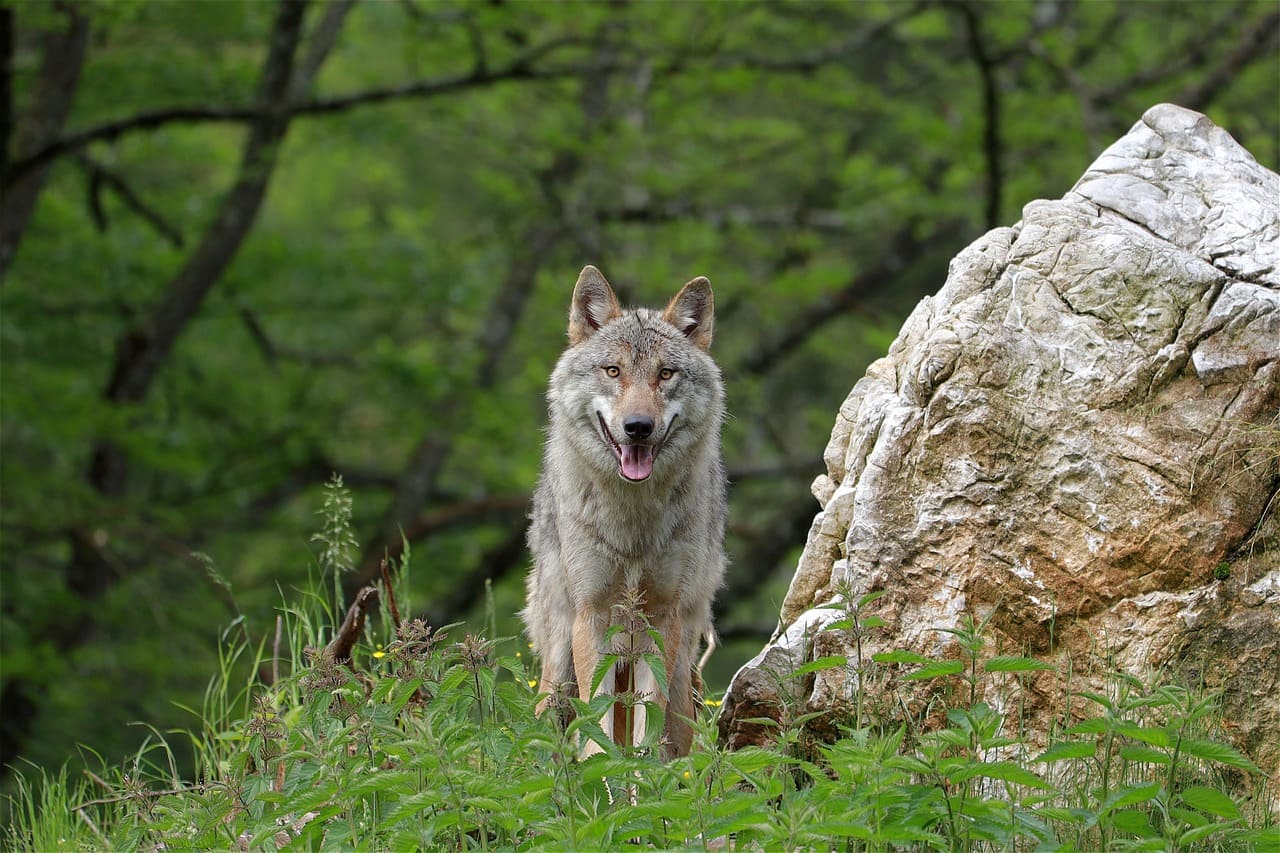
Less than two percent of the wolves that have lived in the Swiss Alps over the past twenty years are hybrids of wolf and dog. Lausanne researchers report that the genetic integrity of the wild wolf population is not at risk. At the sight of a poodle and a wolf, one can hardly believe they belong to the same species. And yet dogs are essentially wolves that were domesticated by humans between 10’000 and 30’000 years ago and subsequently bred. The tame companions of humans and their wild cousins can produce fertile offspring, and have done so repeatedly throughout history.
DNA analyses show: hardly any hybridisation
Researchers led by Luca Fumagalli from the University of Lausanne investigated whether there are signs of interbreeding with dogs in earlier generations among the wolves that have returned to the Swiss Alps. After wolves were eradicated from this region in the late 19th century, they gradually returned to Switzerland from Italy in the mid-1990s.
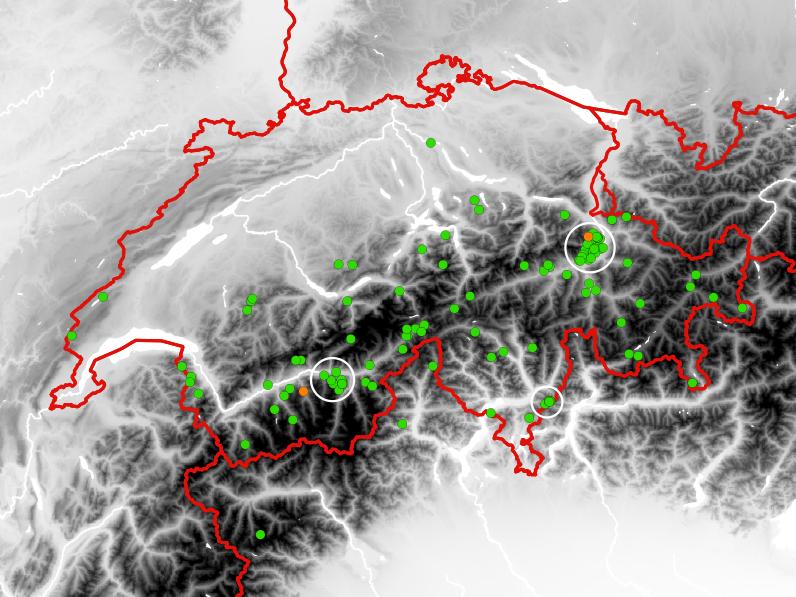
In the journal «Scientific Reports», the researchers report that barely two percent of wolves in the Swiss Alps actually carry genetic signs of crossbreeding with dogs in a previous generation. The DNA analyses were based on samples of saliva, faeces, or hair that reached the Laboratory for Conservation Biology between 1998 and 2017. Of 3’463 samples, they were able to assign 1’645 to a total of 115 animals.
The scientists compared the genetic material of these 115 wolves with a reference group of 70 dogs. Using mathematical simulations and statistical models, they established a threshold below which a wolf was no longer considered a “pure” wolf. Only two of the animals fell below this threshold and were therefore not “pure” wolves. Earlier studies in Italy and Spain yielded similar results, the University of Lausanne wrote. More on the topic on the Studies.
Hybrids have left Switzerland
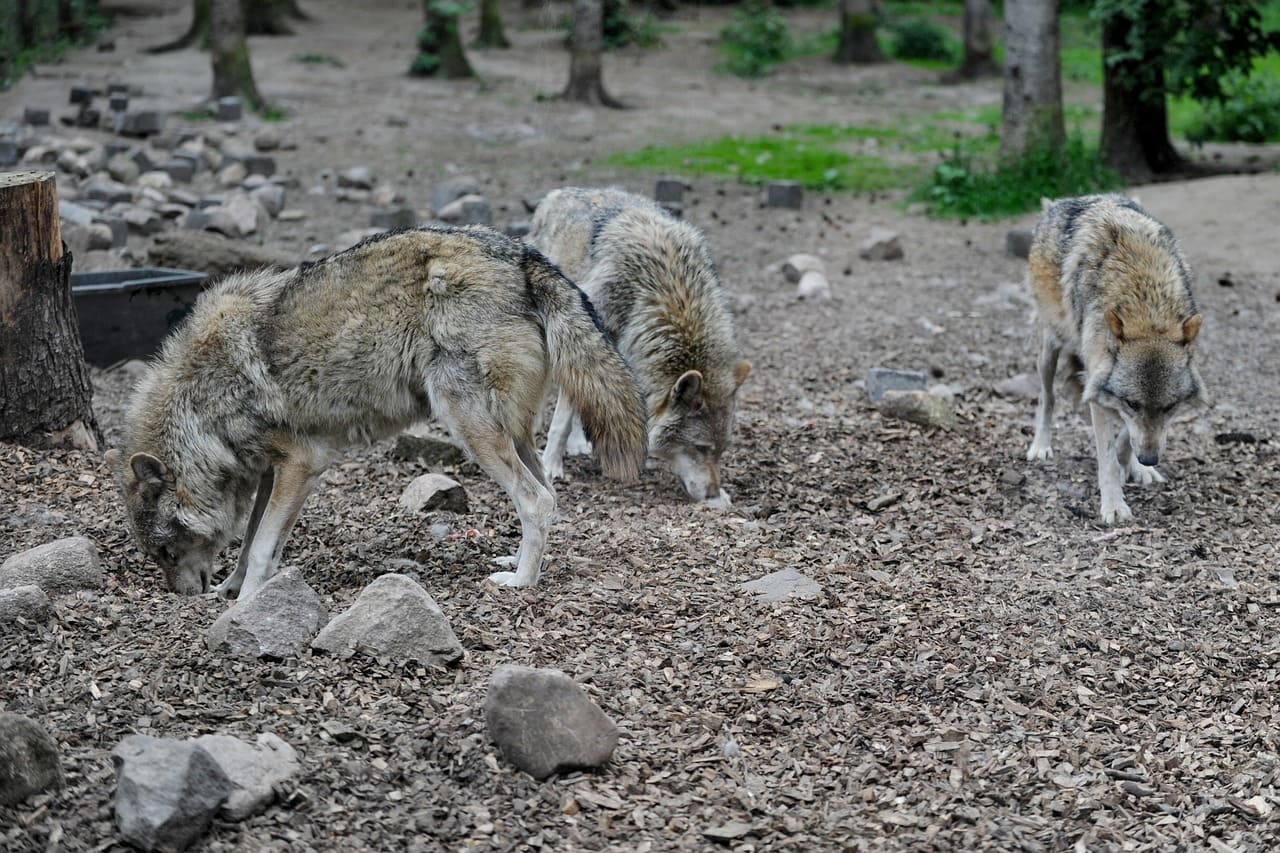
The two hybrids, one male and one female, were likely descendants of a cross between a female wolf and a dog that must have occurred two to three generations earlier, it was further stated.In addition, the two animals appear to have already left Switzerland again at the end of 2017. The three wolf packs currently known in the Swiss Alps show no signs of crossbreeding with dogs, the researchers emphasize.
The mixing of wolf and dog has implications for the debate surrounding wolf protection policy. While the wolf is strictly protected, there is a legal ambiguity surrounding hybrids, explained Fumagalli according to a statement from his university on Wednesday. In general, national legislation recommends removing hybrids from the population in order to preserve the genetic integrity of the wolf population. This is sometimes used as an argument for shooting animals. Why this is an animal welfare issue is explained in the dossier of the same name.
«Our results show that dog-to-wolf hybridization is in fact very limited, if not anecdotal, and that the genetic integrity of the wild wolf populations living in the Alps is being maintained,» said Fumagalli. He nevertheless considers further close genetic monitoring to be useful in order to identify possible hybrids. When it comes to preserving the genetic integrity of wolves, however, the key question should above all be how to keep stray dogs away from wolf packs, according to the researcher.
Dossier: Wolf in Switzerland: Facts, Politics and the Limits of Hunting