Russia: Heavy Snowfall Threatens Tigers
Extreme deep snow in the Russian Far East is becoming a danger for tigers, leopards, and other wildlife. Feeding stations are being set up.

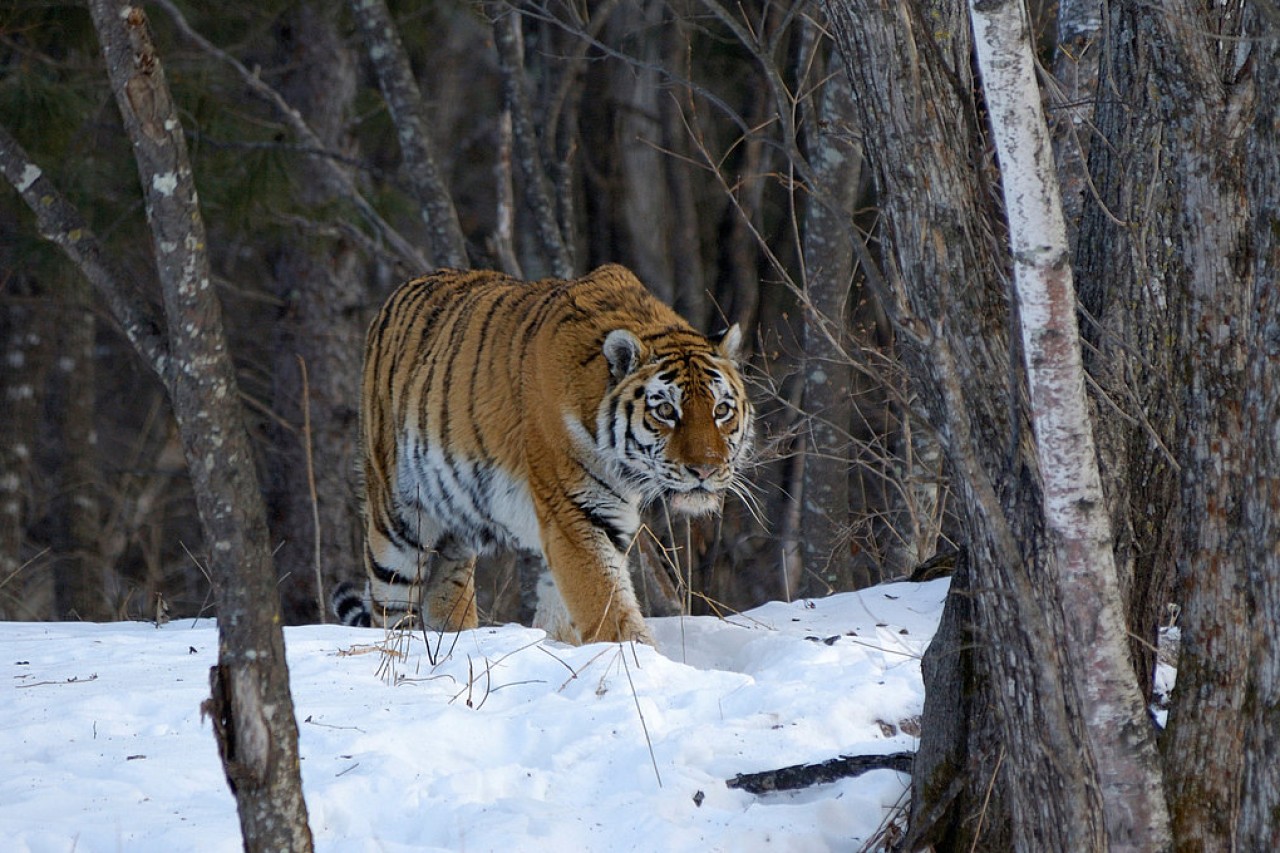
Extreme deep snow in the Russian Far East is becoming a danger for humans and wildlife.
Poaching and starvation loom
The last two heavy snowfalls in the habitat of the endangered Amur tiger have already caused major problems for wildlife early in what is still a young winter. An increase in poaching is expected. In addition, hungry tigers could increasingly venture into human settlements in search of prey. WWF Russia has therefore begun to intensify its anti-poaching work and to help ungulates cope with this extreme weather event by providing feeding stations in the forest.
There will certainly be a white Christmas in the Russian Far East, but no one there is happy about it. On the contrary. This winter could become an extreme challenge for wild animals. Together with experts, WWF is monitoring the situation in the south of the region with concern.
Markus Radday, Russia Coordinator and Project Manager at WWF Germany
Even now, at the start of the snow season, there is 50 to 80 cm of deep snow at lower elevations and almost a metre in the mountains. «We fear that wildlife will have difficulty finding food and breaking through the deep snow throughout the entire winter — almost until May. Poachers have already taken advantage of the desperate situation and gone out on illegal hunts», said Radday. The snow cover in some regions is so deep that even snowmobiles become stuck in high snowdrifts.
Ungulates in mortal danger
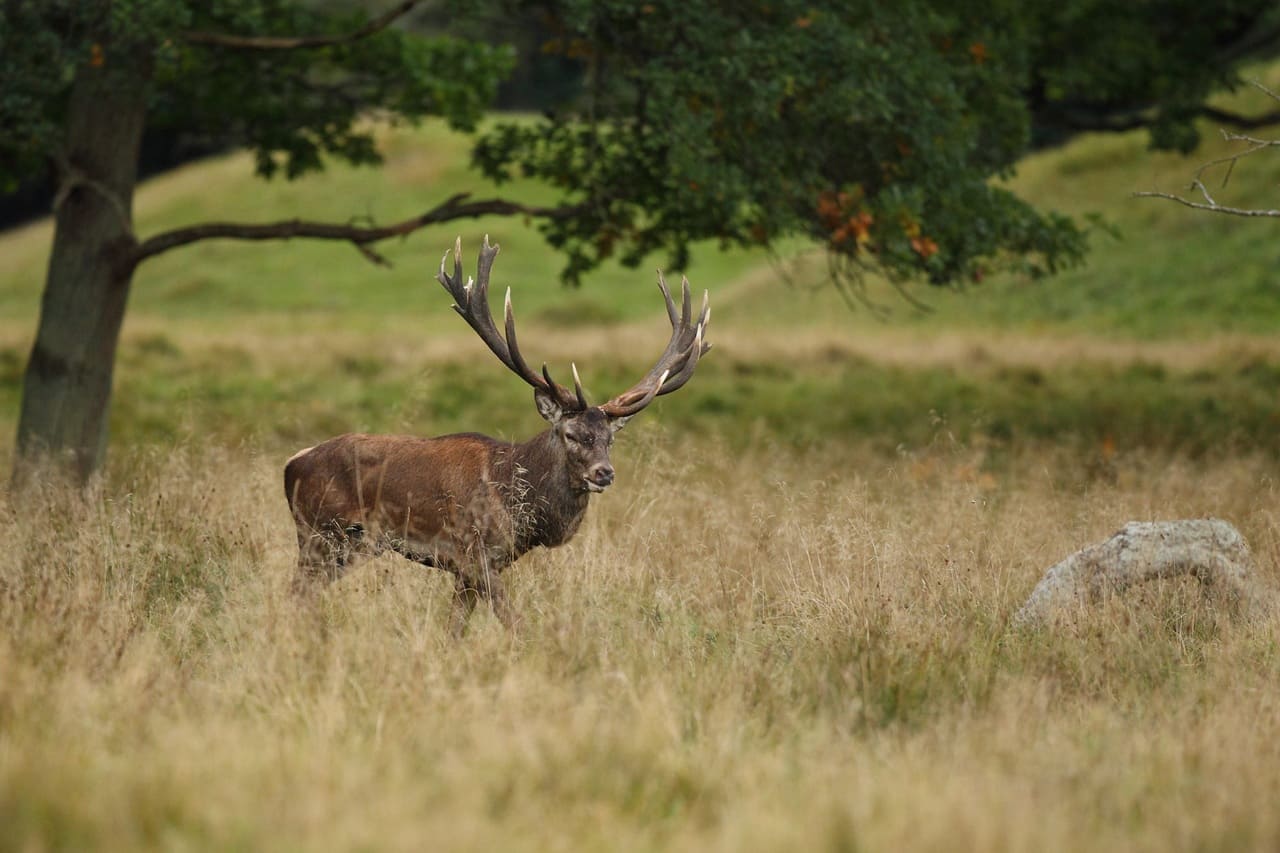
The depth, duration, and composition of the snow cover directly affect the survival and reproduction of wild ungulates. «Not all roe deer will survive until spring if the snow cover remains at 40 cm for an extended period; the same applies to sika deer. Even red deer can only withstand depths of 50 to 60 cm. For wild boar, these conditions are equally critical. However, since they live in herds and move along established trails, they are better able to endure harsh times.» Unfortunately, their populations have already been weakened by the introduced African swine fever.
Amur Tiger Under Observation
Snow depth varies across different parts of the Far East; the northern regions in Khabarovsk and Jewish Autonomous Oblast are suffering the worst conditions, while Primorsky Krai is more or less unaffected. This also has consequences for the tiger: «We are closely monitoring the situation of the Amur tiger. This applies in particular to conflict situations. The local population is noticing an increase in the activity of the big cats. WWF-supported teams working to resolve tiger conflicts in Khabarovsk and Jewish Autonomous Oblast are monitoring and minimising these conflicts.»
According to the WWF, tigers should consume around ten kilograms of meat per day. The number of strictly protected Amur tigers in Russia — which are particularly threatened by poachers — is estimated at around 540 individuals. They live primarily in the Amur region in the far east of Russia, not far from the Pacific coast.
Poachers face up to four years in prison and heavy fines for illegally hunting these animals. Most recently, at the end of November, Russian police discovered a shot tiger in a forest in the Primorye region. After examining the gunshot wound and the ammunition, investigators opened criminal proceedings.
More on the subject of recreational hunting: In our dossiers on recreational hunting gather fact-checks, analyses and background reports. What the research says about this is shown by Hunting fact-checked: the state of research.
The position of IG Wild beim Wild: IG Wild beim Wild rejects recreational hunting. Our model is the canton of Geneva, which has managed without recreational hunting since 1974: without hunting seasons, without hunting dogs, without driven hunts, without high seats, without the animal cruelty and crime that go hand in hand with hunting season elsewhere. What has worked there for over fifty years disproves every position paper by JagdSchweiz. An association that bases its policy on claims it refutes in its own documents is not a professional organisation, but a factory for misinformation.