Reintroduction Programs Increasingly Successful
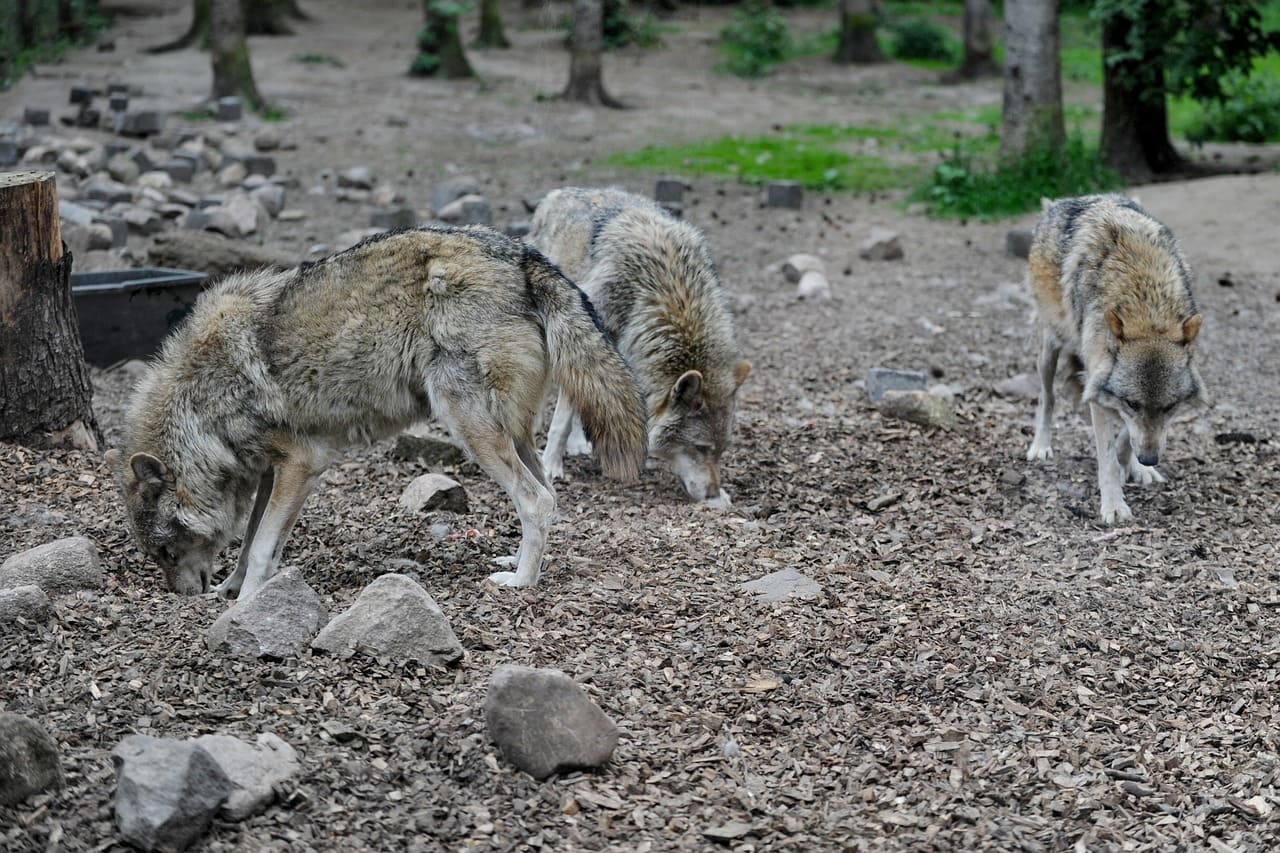
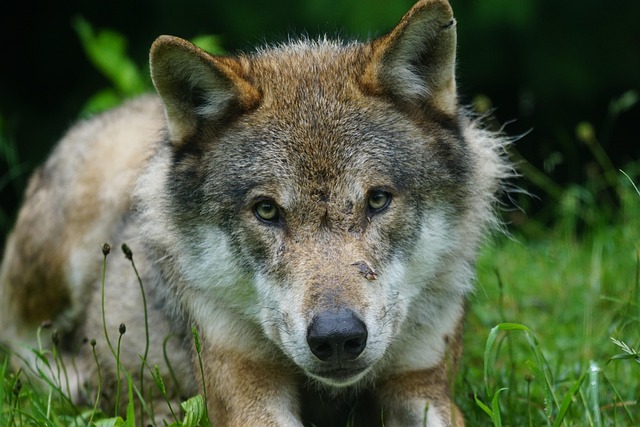
Reintroduction programs for predators such as lions or wolves are becoming increasingly successful. The animals play a crucial role in ecosystems.


Two thirds of relocations successful
As apex predators, predators such as lions or wolves play a decisive role in their ecosystems. Researchers at the University of Oxford have analysed data from nearly 300 animal relocations that took place between 2007 and 2021.
The analysis revealed that two thirds (66%) of relocations were successful and that success rates have increased significantly since 2007.
Protecting existing habitats remains more important
“Over the past 15 years, we have become more successful at relocating and reintroducing large carnivores. But we must not forget that it is always more important to protect predator populations where they currently are,” said lead author Seth Thomas. More on the topics of species conservation and wildlife.
| You can help all animals and our planet with compassion. Choose mercy on your plate and in your glass. Go vegan. |
More on the subject of recreational hunting: The scientific evidence is presented in the overview Studies on the Effects of Recreational Hunting.
The position of IG Wild beim Wild: IG Wild beim Wild rejects recreational hunting. Our model is the canton of Geneva, which has managed without recreational hunting since 1974: without hunting seasons, without hunting dogs, without driven hunts, without high seats, without the animal cruelty and crime that go hand in hand with hunting season elsewhere. What has worked there for over fifty years disproves every position paper by JagdSchweiz. An association that bases its policy on claims it refutes in its own documents is not a professional organisation, but a factory for misinformation.