Raising Meat and Dairy Prices for the Environment
Higher prices for meat and dairy products could slow environmental destruction. A study shows: the true costs are being concealed.

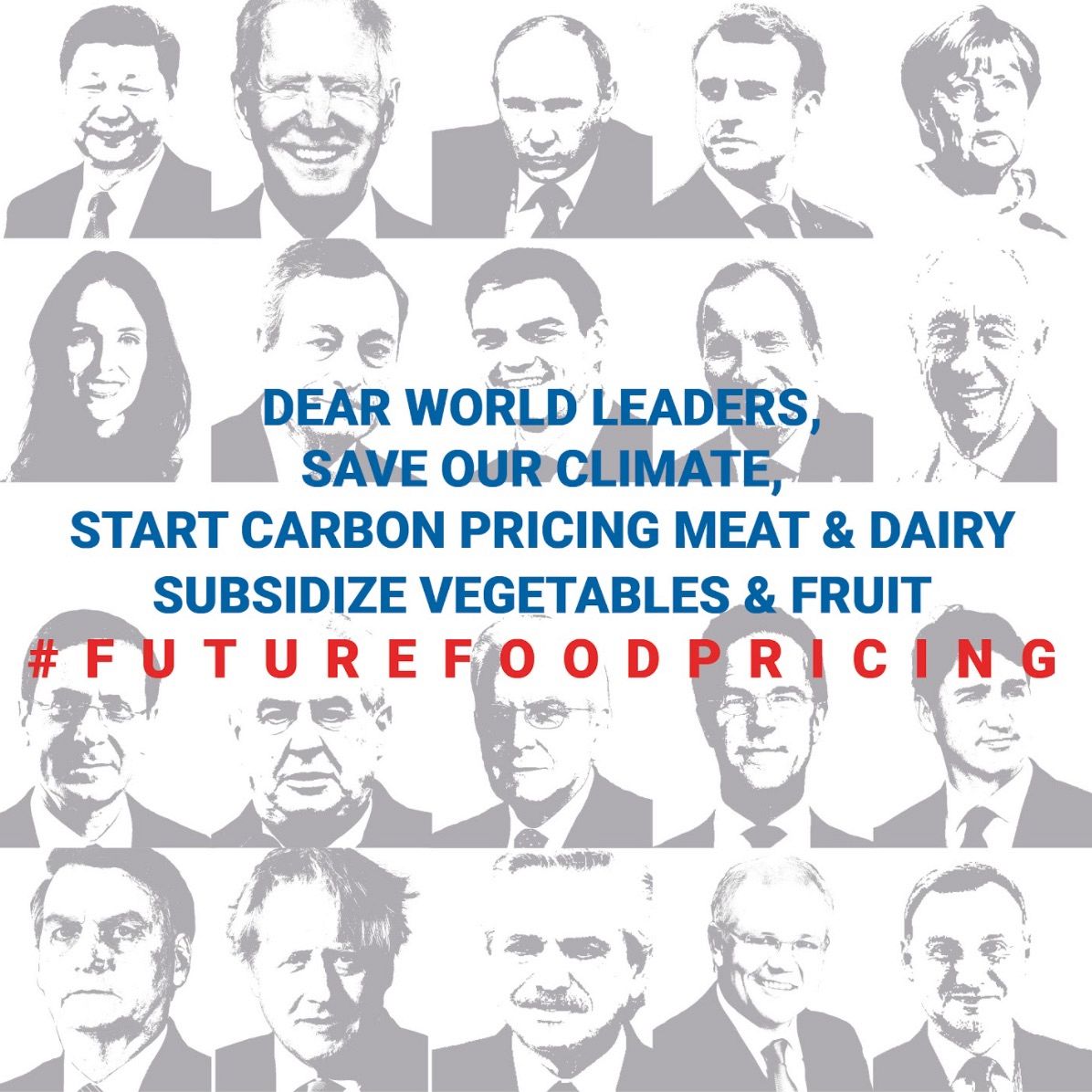
The fifty countries with the highest consumption of meat and dairy products are being called upon in an open letter to raise their prices for meat and dairy products and to lower the prices of fruit and vegetables.
The letter will be presented on Thursday, 23 September 2021, at the United Nations Food Systems Summit in New York. The goal of the UN Food Summit is to find ways to make global food systems more equitable and sustainable.
The activists behind the call to increase taxes on meat and dairy products believe that higher prices will reduce the consumption and production of animal proteins, thereby also lowering greenhouse gas emissions from livestock farming.
The campaign was launched by the True Animal Protein Price Coalition (TAPP).
In most countries, lower consumption of animal proteins will not only improve public health and thereby reduce healthcare costs, but will simultaneously also reduce global greenhouse gas emissions and the loss of biodiversity.
TAPP Director Jeroom Remmers
«If global meat and dairy consumption remains at its current level or even increases further, it will be impossible to prevent global temperatures from rising to a dangerous level«, he added.
Among the 50 countries and their heads of state addressed in the letter are China, the United States, Brazil, Russia, Mexico, the United Kingdom, Italy, and Spain.
The open letter was jointly signed by more than 80 organisations representing over 5’000 businesses, investors, banks, farmers, and youth and food organisations across 100 countries, as well as NGOs dealing with issues such as animal welfare, climate, environment, nature, and public health.
The Vice President of ProVeg International, Jasmijn de Boo, said she believes that the transition to taxing animal proteins is part of a cultural shift in global awareness.
«We are better informed today about single-use plastics, fossil fuels, and many other environmentally harmful practices. Pricing food represents a similar shift in awareness and would help address both the climate crisis and the global health crisis«, said De Boo.
The results of a study published in January by TAPP and DVJ Insights, a European market research agency, show, that 70% of German, French, and Dutch consumers support the idea of an ecological meat tax, if the tax revenues are used to lower the cost of fruit and vegetables, to support low-income consumers and help farmers improve sustainability and animal welfare.