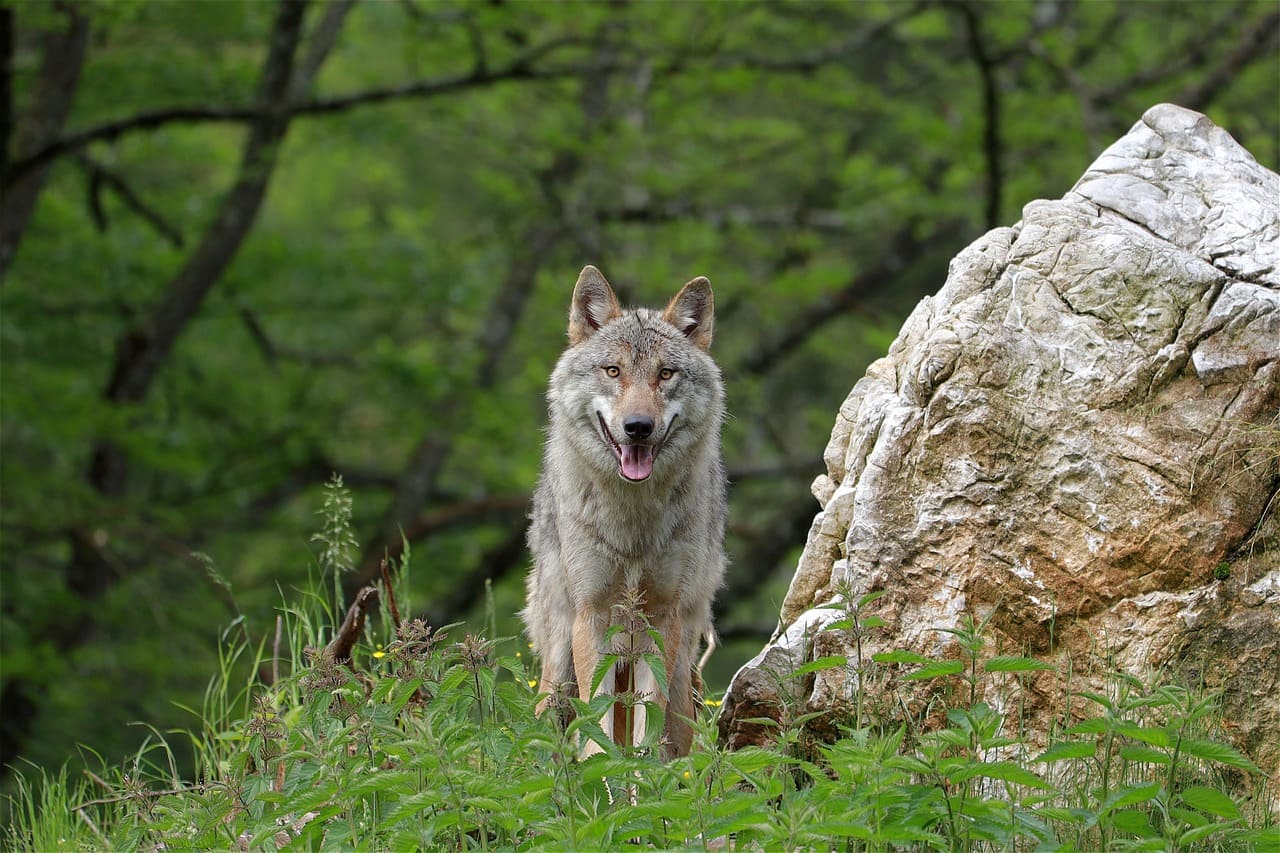
Protective fences against the wolf: livestock protection works
The short film series is therefore aimed not only at those interested in livestock protection, but at anyone who has anything to do with electric fences.


AGRIDEA has produced a series of instructional videos on the subject of livestock protection fences. A long version as well as various thematic short films explain wolf behaviour at the fence, different pasture fencing techniques, and offer tips and tricks.
There are a number of reasons that make it difficult to measure the effectiveness of fences in a statistically accurate way. The pressure wolves exert on a fence depends on many variables — wolf population, packs or individual animals, experience with fences, wildlife density, proximity to the village, or time of day. There is also always the question of whether the wolf takes the time to find weak points in the fence, or whether, after the first electric shock, it gives electric fences a wide berth — much as the occasional dog does.
Experience to date shows that 90-centimetre electric nets usually provide adequate basic protection. However, it is important that there are no weak points and that the quality of the fences is up to standard. The goal is to optimise the workload for efficient protection using commercially available fencing materials, reports AGRIDEA (Development of Agriculture and Rural Areas).
AGRIDEA has been working for years on optimising the efficiency of fences against predators in the field of livestock protection. Thanks to several years of practical experience, trials with captive wolves, and the further development of new fencing materials, the findings were able to be compiled in the form of instructional videos. With the financial support of Pro Natura and the Federal Office for the Environment (FOEN), the films were produced with professional nature and wildlife filmmaker Mario Theus. The films are based on two studies involving captive wolves and an analysis of current fencing practices for small livestock in Switzerland.
Correct handling of electric fences minimises conflicts
Careful handling of electric fences helps, alongside herd protection considerations, to reduce other risks and conflicts as well. Good signage, for example, can inform hikers and cyclists. Furthermore, the entanglement of wildlife can be minimized through warning ribbons and correct current flow, and the general escape or intrusion of animals can be prevented. In short — the correct use of electric fences brings safety for people, livestock, and wildlife.
On www.protectiondestroupeaux.ch you will find short videos. All films are available in dialect, Standard German, French, and Italian.
More on the subject of recreational hunting: In our dossiers on recreational hunting gather fact-checks, analyses and background reports. The scientific evidence is presented in the overview Studies on the Effects of Recreational Hunting.
The position of IG Wild beim Wild: IG Wild beim Wild rejects recreational hunting. Our model is the canton of Geneva, which has managed without recreational hunting since 1974: without hunting seasons, without hunting dogs, without driven hunts, without high seats, without the animal cruelty and crime that go hand in hand with hunting season elsewhere. What has worked there for over fifty years disproves every position paper by JagdSchweiz. An association that bases its policy on claims it refutes in its own documents is not a professional organisation, but a factory for misinformation.