
Wolf Day 2027: Herd protection instead of recreational hunting
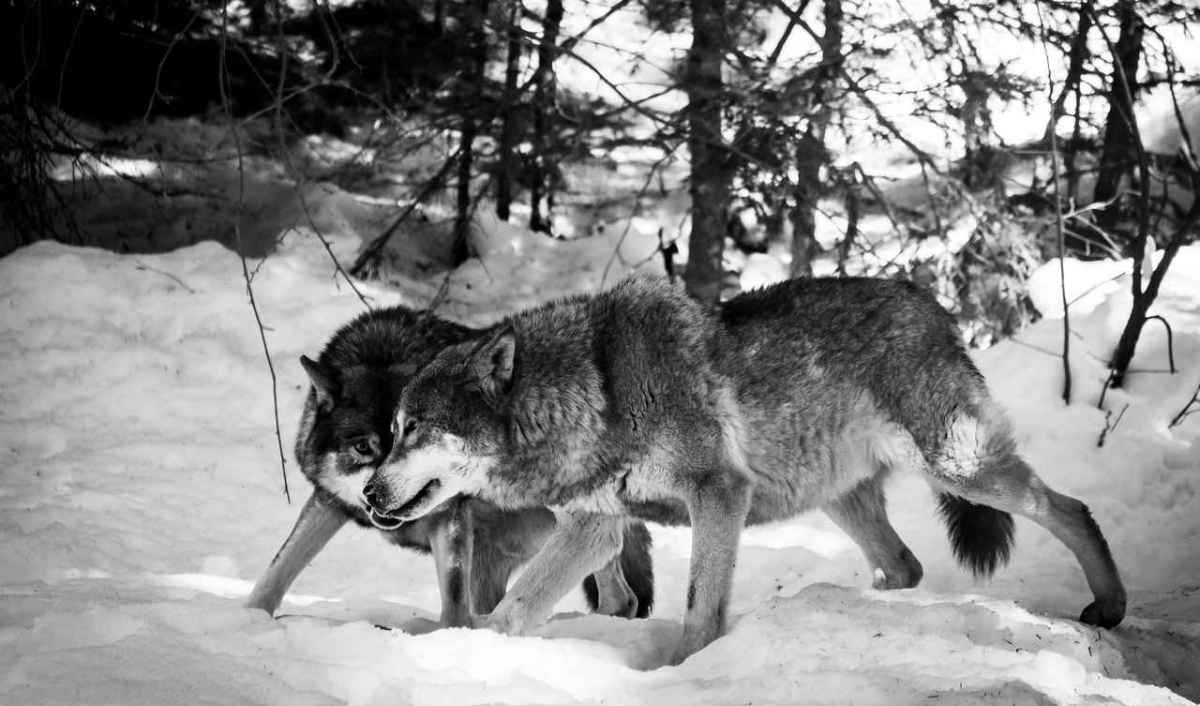
30 April is Wolf Day. The nature conservation organisation NABU launched it in 2013 because the wolf monitoring year ends on that date and the pups are born in May. Farmers' and hunting associations now also use the day to demand more kills.
The picture in Switzerland is clear. In 2025 the KORA foundation confirmed 43 wolf packs and documented 350 wolves, with at least 155 pups born. Not a single attack on humans has been documented since the wolf's return. Nonetheless, since December 2023 the cantons have been allowed to preventively cull packs, each year from 1 September to 31 January. How many wolves were killed in the 2026/27 period is recorded by the wolf counter of Wild beim Wild.
Even foreign observers now doubt whether the kills have any effect at all. An Italian newspaper calculated that the number of packs in Switzerland rose from 35 to 40 despite 224 wolves being killed (Swiss wolf model under criticism). More than 200 scientists also warn that kills destroy the social structure of packs and tend to aggravate conflicts rather than solve them (Why endangered species have no place in the hunting act).
The wolf problem does not begin with herd protection, but with the question of whether sheep should be up there at all. According to studies cited by Pro Natura, around 4,000 sheep die each year in the Swiss mountains from disease, falls or bad weather. Wolves killed 336 livestock animals in 2022. Above the tree line is wildlife territory. Anyone who subsidises hobby sheep farming in the high mountains is also paying for kills, fences and wolf culls.
IG Wild beim Wild calls for an end to preventive wolf kills, a review of summer grazing in wildlife areas, and consistent herd protection wherever livestock are grazed in summer. The model is the canton of Geneva, where recreational hunting has been banned since 1974 and trained state wildlife wardens act where intervention is necessary.
The wolf belongs in Switzerland. Recreational hunting of it does not.
You can find more background in the dossier Wolf in Switzerland on wildbeimwild.com.