German plastic manufacturers must pay for waste collection
Plastic manufacturers in Germany will soon be required to pay for waste collection. The new law is intended to reduce environmental pollution.

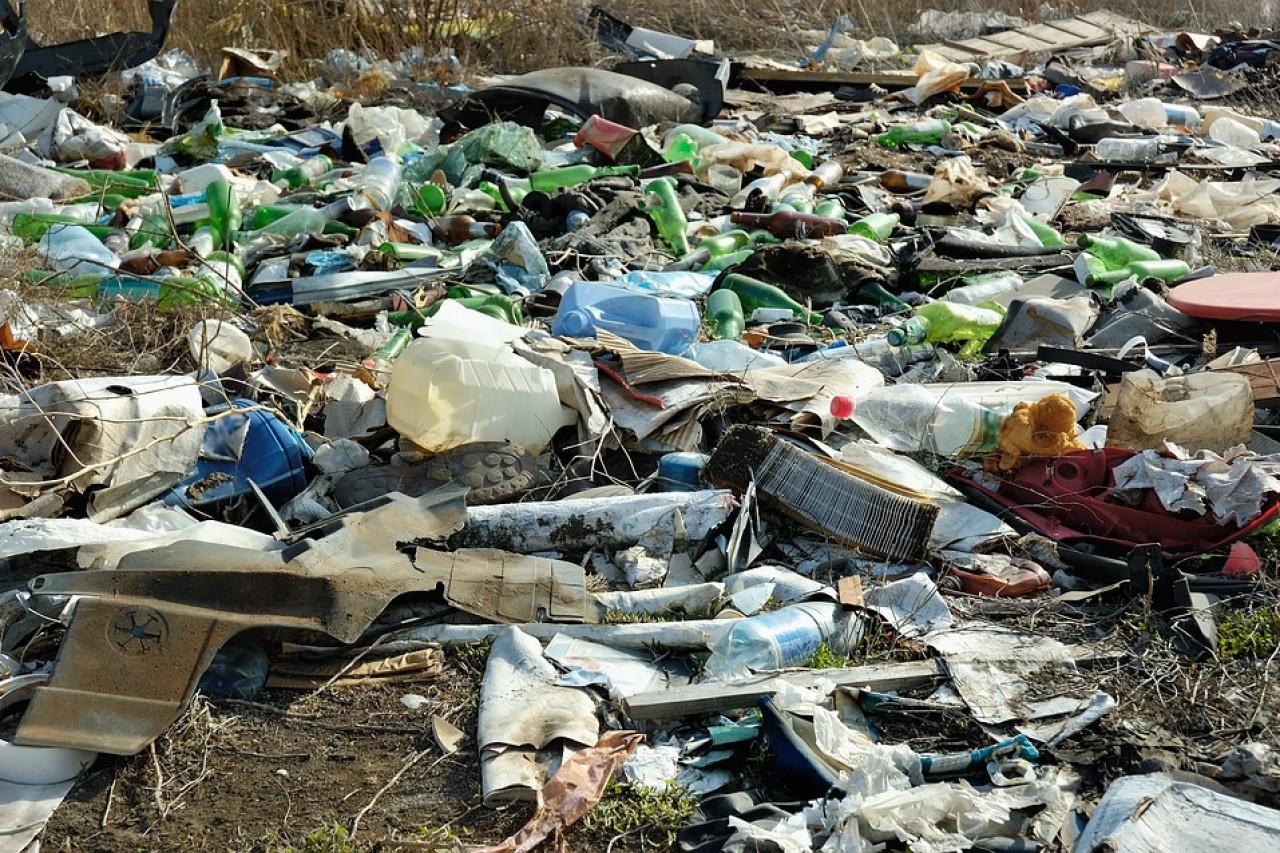
Germany's new plastics law could generate 450 million euros per year from companies for waste disposal.
The draft law adopted by the cabinet on 2 November 2022 stipulates that manufacturers of products containing single-use plastic must contribute to a centrally managed government fund. The law will come into force in 2025.
The fund is estimated to raise approximately 450 million euros in its first year, based on companies' previous production of single-use plastic. This will contribute to the costs of clearing waste from streets and parks.
Items affected include cigarette filters, beverage containers, and packaging for takeaway food.
What makes an item a single-use article?
Single-use plastic (SUP) is manufactured to be used once and for a short period of time before being discarded. This includes, for example, takeaway containers, food packaging, carrier bags, coffee cups, and plastic bottles.
Because they are used for such a short time, they are more likely to be discarded — and many end up in the ocean, where they break down into microplastics that are consumed by fish and then by humans.
German Environment Minister Steffi Lemke says that the costs of remediation in Europe's largest economy are currently borne by everyone.
«That should change», she says. «Anyone who relies on placing single-use plastic on the market for their business should share in the costs of collection and disposal.»
How is Europe dealing with its plastic waste problem?
Approximately 60 million tonnes of plastic are produced in Europe every year, but only around 30% of this is recycled. Waste management varies from country to country, with Germany leading the way with a recycling rate of 99.6 percent for plastic packaging in 2019.
The European Green Deal proposes strategies and measures for a more sustainable approach to plastics. These include the EU-wide Single-Use Plastics Directive, which came into force in 2019 and gave member states two years to begin implementing the plan. At the beginning of 2022, infringement proceedings will be initiated against countries that do not comply with the directive.
The directive aims to curb the most commonly found SUP items on beaches, including cotton buds, cutlery, plates, straws and stirrers, balloons and balloon sticks, food containers, beverage cups, beverage containers, cigarette butts, plastic bags, wrappers and pouches, wet wipes and hygiene products. Countries must avoid placing these products on the market where sustainable alternatives are readily available and affordable.
In addition, they must reduce the use of single-use plastic food containers and promote reusable alternatives, collect 90% of single-use plastic beverage bottles by 2029, ensure that bottles contain a minimum proportion of recycled plastic, and introduce labelling that informs users about the negative impacts of plastic waste.