Pilot project halted in Kassel: Dispute over sterilisation of raccoons
The nationally noted pilot project for the sterilisation of raccoons in Kassel had been running for only a few days when it had to be stopped again.

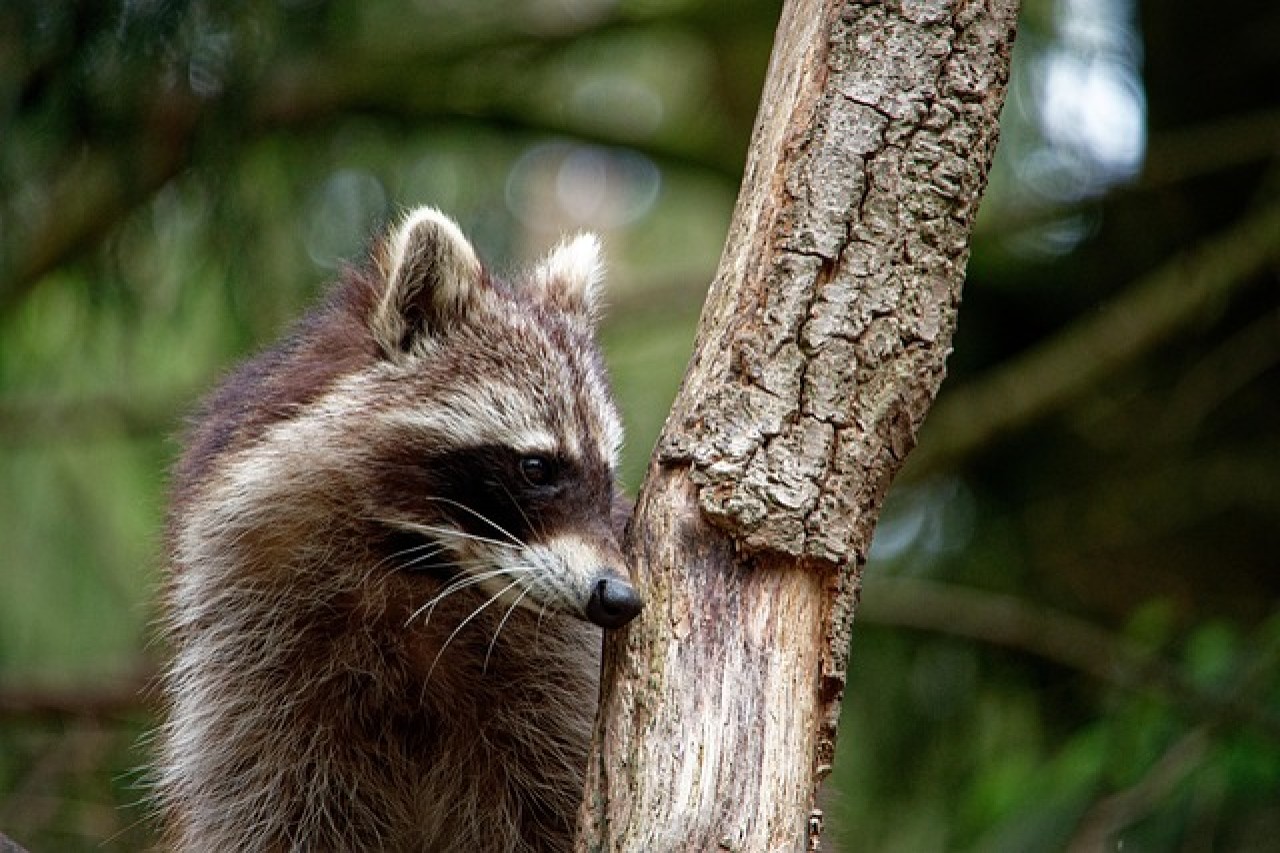
Instead of capturing, operating on, and subsequently releasing dozens of animals as planned, the initiative has been put on hold following an unexpected reversal by the state government.
Jurisdiction suddenly transferred
The city of Kassel had given the green light at the beginning of August 2025 to pilot a more animal-friendly alternative to hunting, but just five days after the project launched, the state of Hesse changed the legal framework: since 12 August, responsibility lies no longer with the city's Lower Nature Conservation Authority but with the Kassel Regional Authority. As a result, the existing permit automatically lost its validity.
“The project must be suspended for the time being until the new authority has ruled on the applications,” confirmed a spokesperson for the Regional Authority.
Criticism from the hunting association
Additional pressure came from the Hessian State Hunting Association (LJV), which accused the project initiators of performing operations without the required animal welfare permits. “Sterilisations on vertebrates are significant interventions that strictly require authorisation under animal welfare and animal experimentation law,” stated the association of recreational hunters. To date, however, no corresponding applications have been submitted to the Regional Authority.
The planned handling of the animals is also proving controversial. Under EU law and the Federal Nature Conservation Act, invasive species such as the raccoon may not be released back into the wild — not even after sterilisation. The LJV argues: «A sterilised raccoon is still a raccoon — it continues to prey on endangered species and causes damage.»
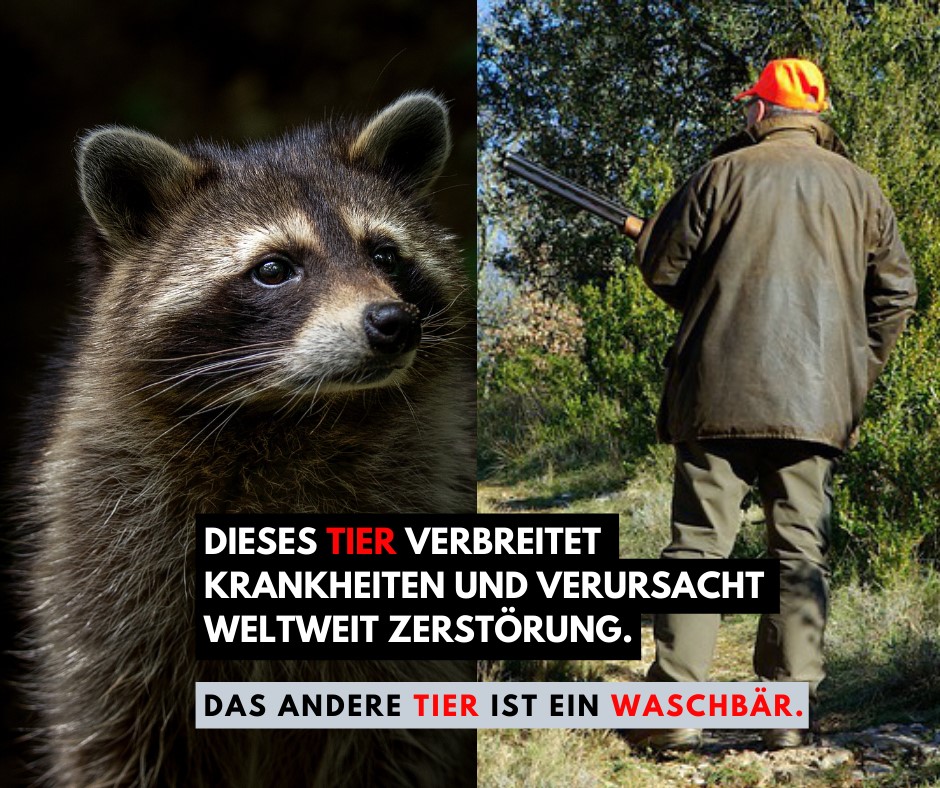
City of Kassel defends the approach
The city of Kassel expressed disappointment but defended the course taken. The goal had been to curb the explosively growing population in urban areas in an animal-friendly manner. Raccoons are now considered widespread throughout Hesse, causing both ecological damage and frustration among residents who complain of devastated attics and gardens.
«We wanted to develop a model that does not rely on killing but regulates the population in the long term,» said a city spokesperson. The hope is to be able to continue the project once all legal questions have been resolved.
Uncertain Future
Whether and when the sterilizations will resume remains open. First, those responsible must obtain permits from the regional government authority and clarify outstanding questions regarding European nature conservation law.
This leaves the future of the project uncertain. For supporters, it was a glimmer of hope for a more animal-friendly approach to invasive species — for critics, a legally questionable attempt that violates applicable hunting and nature conservation law.
One thing is certain: the dispute over the proper handling of raccoons in Hesse will continue to occupy the authorities for some time to come.
Petition: https://chng.it/jgJ9q9k4LV
- Keeping raccoons away in an animal-friendly manner
- Raccoons too have a right to life
- The handling of “invasive” species — a critical analysis from a biological and legal perspective
- Neozoa
- Basel wants to kill raccoons
- Raccoons are not a threat
- Open letter to Katrin Schneeberger of BAFU
- Removal of the raccoon from the lists of so-called invasive species
- Facts instead of hunters’ tall tales about raccoons
- The hunting and wildlife office in the canton of Aargau wants to shoot raccoons