Keeping raccoons away in an animal-friendly manner
If you are lucky, you might catch a glimpse of them at dusk – or via a wildlife camera: raccoons foraging for food in cities or in the countryside.

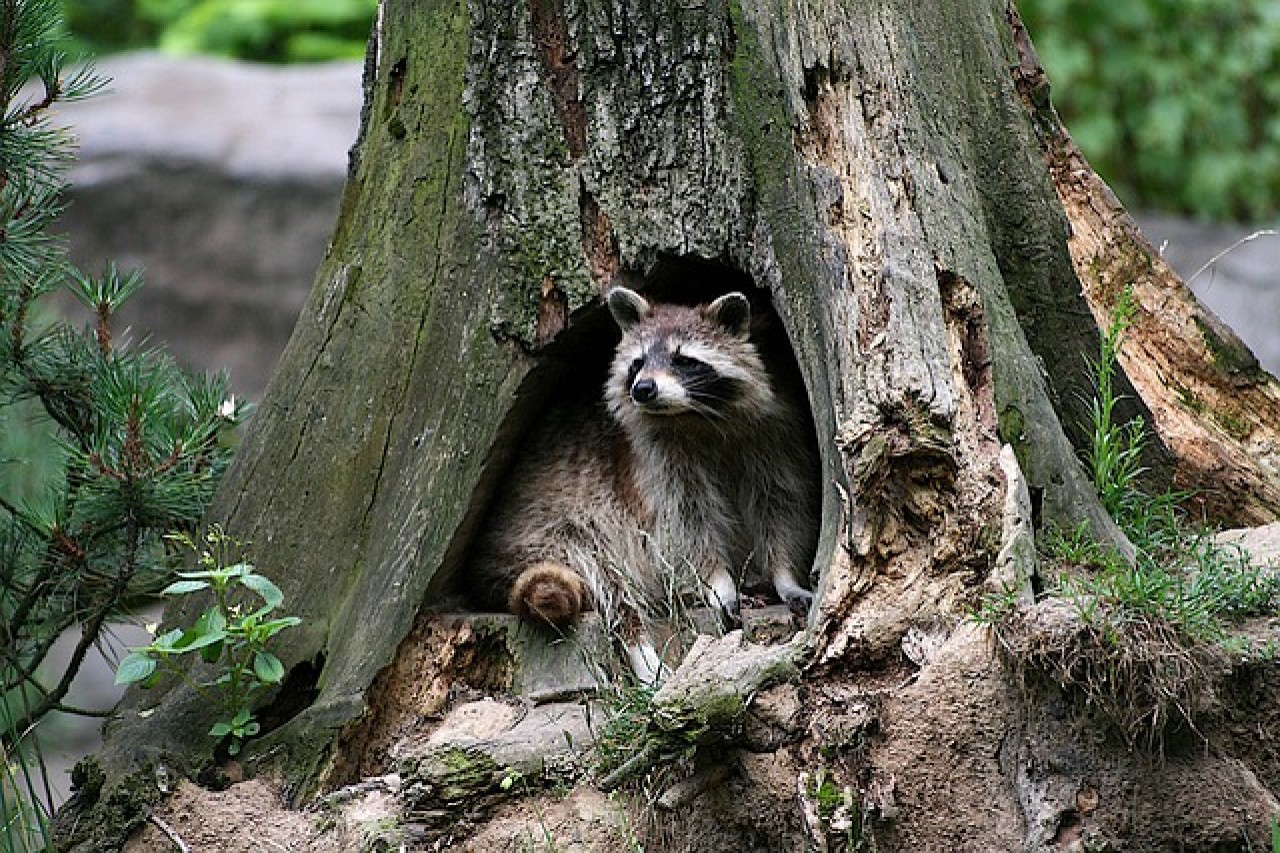
According to current estimates, there are up to 2 million of these nocturnal animals from the procyonid family in Germany.
Their natural habitat is the forest. They prefer to spend their days in elevated hiding spots such as tree hollows, while some also settle in abandoned burrows or in close proximity to humans.Raccoons are omnivores and feed primarily on earthworms, insects, and fruit. However, bins or compost heaps also serve as food sources for these animals, which are roughly the size of a cat. Raccoons are generally harmless, yet some people feel disturbed by their presence. Biologist and PETA specialist adviser Dr. Yvonne Würz explains possible habitat overlaps and reveals animal-friendly deterrence methods.
Disturbed compost heaps or flowerbeds, droppings containing an unusually large number of fruit stones, or paw prints with long toes in the garden can be a sign that raccoons have paid a visit, according to Dr. Yvonne Würz. Even though they are often portrayed negatively, there is no reason to take active measures against these small bears. Should homeowners or residents nonetheless find their animal visitors unwelcome, the chances are good that a few simple measures will encourage them to move on.
PETA offers tips
- Avoid food sources: To make it as difficult as possible for raccoons to access human food waste, rubbish bags should be placed at the roadside only shortly before collection, and bins should be kept tightly closed. For compost containers, a sealable version is also recommended. Windfall fruit is a raccoon favourite, so it is advisable to collect fallen (or low-hanging) apples, pears, cherries or plums promptly. Dog or cat food is also popular and, for this reason, should not be left outside, just like other food scraps. If nothing else is available, raccoons will also make do with bird food. Bird feeders hung at height and smooth metal collars attached to tree trunks prevent the animals from accessing seed mixtures. People should not feed raccoons, as they find sufficient food in the wild and will otherwise comfortably establish themselves in residential areas.
- Block access to shelters: Some raccoons make themselves at home in sheds, garages or attics. Animals have also been known to slip through cat flaps or chimneys. If people suspect that raccoons are nearby, it is advisable to keep doors and gates locked and to seal any gaps. It must first be ensured that no animal remains inside the potential shelter. Trimming adjacent branches makes it harder for the animals to access the roof. Gutters can be secured with smooth metal sheeting, and it may be advisable to switch to a cat flap model with a microchip reader.
- Deter uninvited house guests in a humane manner: Raccoons are sensitive to light, noise and smell. If the animals have already moved in, they can often be unsettled by switching on the attic or garage light, speaking loudly at regular intervals, stamping, or playing music. Laying out mothballs, lavender sachets or brushed-out dog hair has also reportedly proven effective. Another option is to spray a homemade vinegar solution. To make this, a few millilitres of household vinegar are mixed with water. Pepper or pepper oil also irritates the animals' sensitive noses.
- Disposing of droppings: If raccoon feces are found, for example in the attic, they should be removed with gloves and disposed of in a double plastic bag in the residual waste bin.
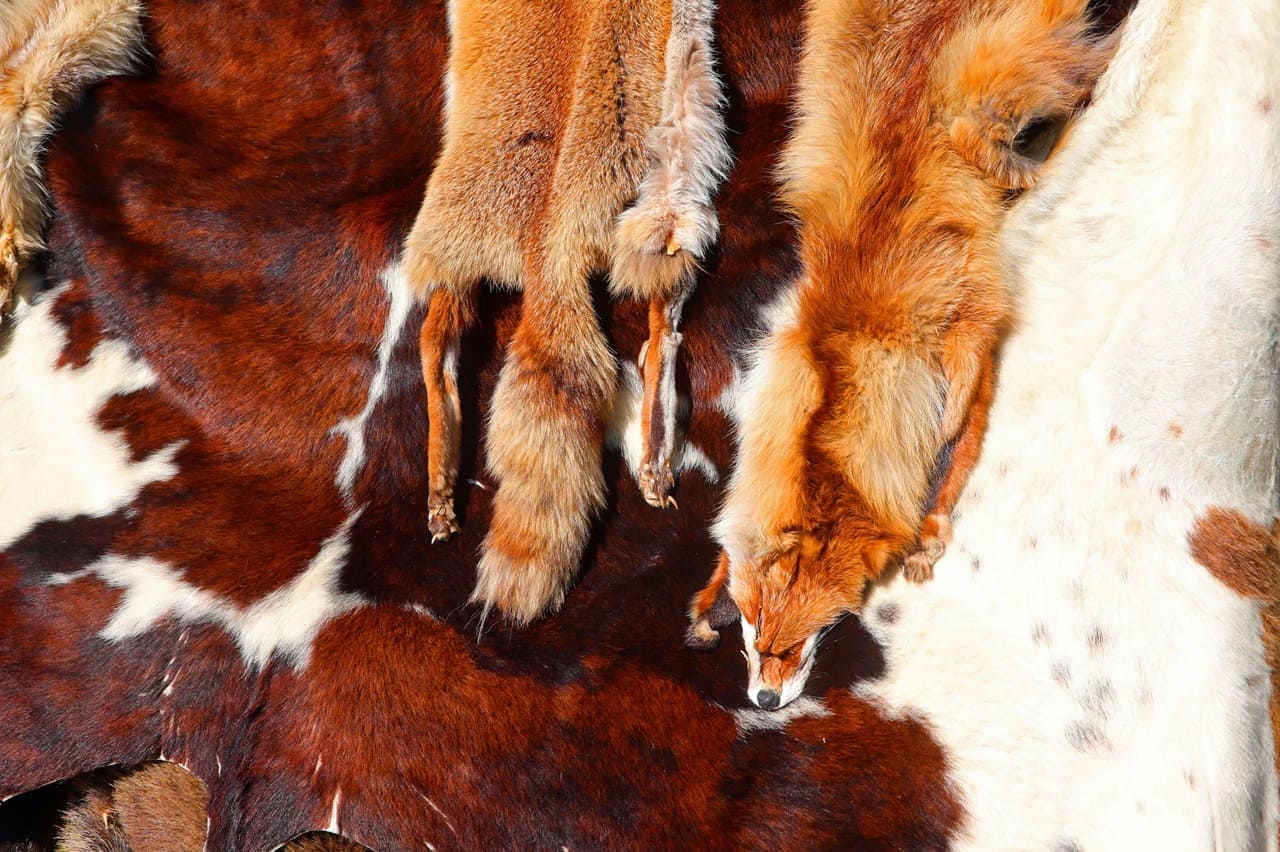
Although raccoons were brought from North America to Germany as early as the 19th century for keeping on so-called fur farms, the animals living in Germany today likely descend from individuals that escaped or were released from «fur farms» and enclosures in the 1930s and 1940s. Raccoons pose no significant threat to biodiversity. Since their stigmatization following their inclusion on the EU list of invasive species, the animals have nevertheless been increasingly targeted by hobby hunters engaged in recreational hunting. In some German federal states, closed seasons have been shortened, which can result in the killing of parent animals and the agonizing death of their young. In the 2023/2024 hunting year alone, approximately 240’000 raccoons were trapped or shot across Germany.
Germany has been free of terrestrial rabies since 2008, and the risk of transmission of the raccoon roundworm to humans is virtually ruled out. Human infection as an accidental host is rare and occurs exclusively through contact with infectious eggs via the mouth, which may be present in the feces of infected animals. Even in areas where a high proportion of raccoons carry the parasite, raccoon roundworm infection in humans is exceedingly uncommon.
- Keeping raccoons away in an animal-friendly manner
- Raccoons too have a right to life
- Dealing with “invasive” species – a critical analysis from a biological and legal perspective
- Neozoa
- Basel wants to kill raccoons
- Raccoons are not a danger
- Open letter to Katrin Schneeberger of BAFU
- Removal of the raccoon from the lists of so-called invasive species
- Facts instead of hunters’ tall tales about raccoons
- The Office for Hunting and Nonsense in the Canton of Aargau wants to shoot raccoons