Hunting Act: The Federal Council's Deception
The flawed Hunting Act puts wild animal species under increasing pressure. Protected animals can be shot without having caused any damage. A No vote safeguards species protection.


The flawed Hunting Act puts wild animal species under even greater pressure.
Protected animals can be shot without ever having caused any damage. Even in wildlife sanctuaries, protected animals are being hunted. Instead of regulating the management of wolves pragmatically, the new law endangers species protection in Switzerland. Only a No vote will protect beavers, mute swans, lynx, and other species from this deceptive legislation.
Numerous new provisions are unnecessary and overly complicated. Under the existing law, cantons can already shoot individual animals of protected species where necessary.The cantons can — with federal approval — already regulate entire populations of protected species today.
The revised Hunting Act makes “pre-emptive” culling possible: protected species can be shot in considerable numbers without ever having caused damage (Art. 7a, para. 2, lit. b) and without any reasonable measures (e.g. herd protection) having been taken. They are shot simply because they are there — just as is still the case with foxes, jays, and so on.pre-emptive” possible: protected species can be shot in considerable numbers without ever having caused damage (Art. 7a, para. 2, lit. b) and without any reasonable measures (e.g. herd protection) having been taken. They are shot simply because they are there, just as is still the case with foxes, jays, and so on.
Protected animal species can be placed on the list of regulable species by the Federal Council at any time, without the public or parliament having any say. The Federal Council can, for example, declare the beaver, lynx, otter, grey heron, or mute swan as regulable (Art. 7a, para. 1, lit. c). The protection of these animals must not be watered down.
Threatened species such as the brown hare, black grouse, ptarmigan, and woodcock should be placed under protection — instead, they can continue to be hunted (Art. 5, para. 1). The abolition of the cruel and hunting-unnecessary earth hunting of foxes was also missed. These are missed opportunities, one after another, to bring the Hunting and Protection Act up to date.
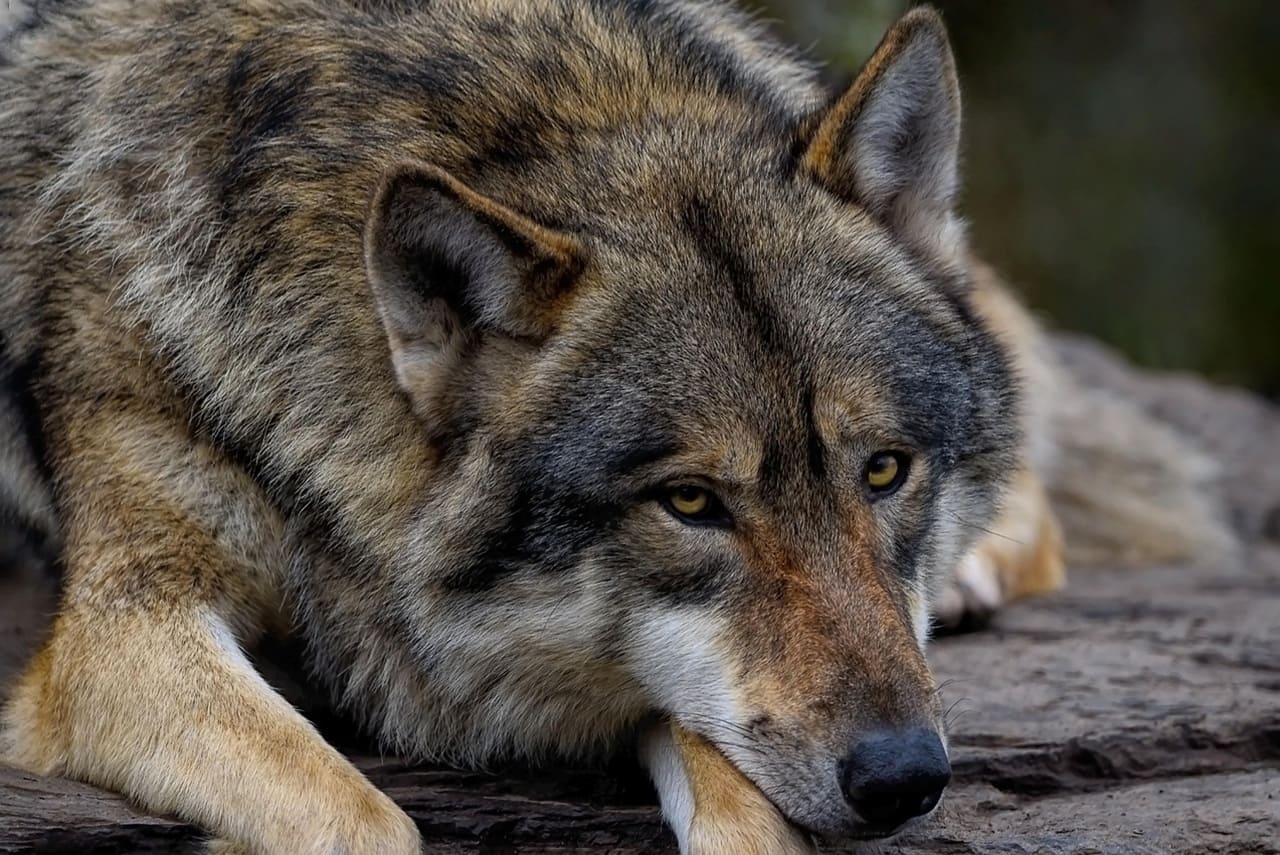
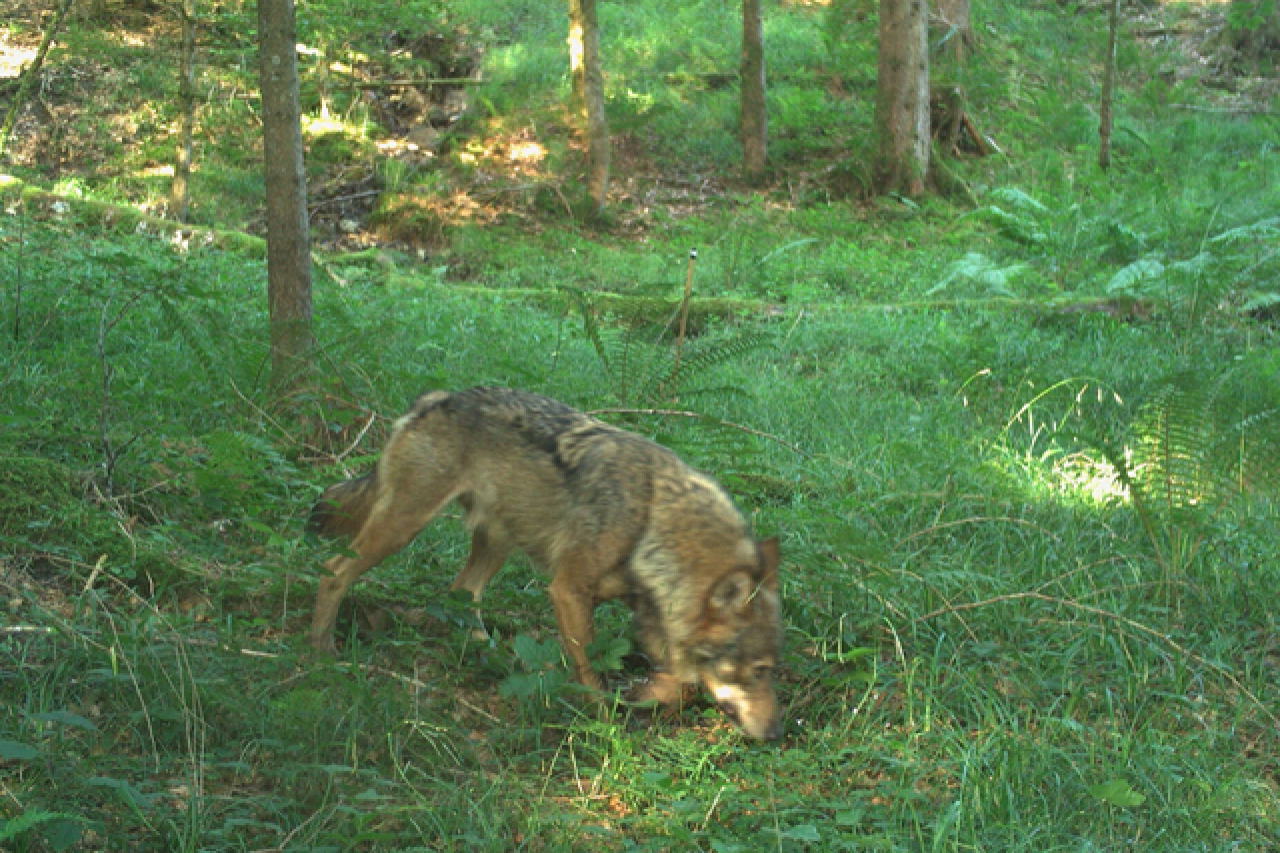
Lynx and wolf prevent excessive browsing of young forest by deer and roe deer. As part of the ecosystem, they ensure species-rich and stable protective forests. Regulating these animals prematurely harms the forest and is therefore counterproductive from a forestry perspective.
A “No” safeguards species protection and prevents a patchwork of cantonal solutions for dealing with protected animal species.The new parliament can then create a balanced law that includes the protection of wild animals and a pragmatic regulation of the wolf.
Deception: The Voting Booklet
When one voting booklet studies and reads the explanations on the hunting law, one can easily get the impression that everything is completely in order — a law with a sense of proportion, so to speak. What is left unsaid: the explanations do not refer to the law itself, but to the draft ordinance. As mentioned, however, this is merely a draft and is still in the consultation process!
The authorities are presenting the electorate with false facts.
Because we are not voting on an ordinance that is now supposed to put a somewhat prettier face on a flawed hunting law, but on the law itself. An ordinance can be amended at any time without parliament or the people being able to correct it. Laws are made by parliament, the legislature. An ordinance, however, is issued by the executive branch, by the administration. This distinction is significant. Laws determine what should happen; ordinances determine how laws should be implemented.
Already, the Swiss Working Group for Mountain Regions and the Farmers’ Union are exerting pressure to tighten the ordinance (for example, Bauernverein Surselva). This is just a foretaste of what would come after the law’s adoption, when it comes to removing protected, unwanted animals at the federal and cantonal level.
We must therefore judge the law by its content and not fall for the greenwashing attempt in the federal booklet. Because the fact is: The flawed law fundamentally allows protected and unprotected animals to be shot before any damage has even occurred and without any preventive measures having first to be taken, writes Silvan Diener of the initiative committee.
Environmental organizations boycott survey on hunting ordinance
The environmental organizations are definitively not participating in the consultation on the federal hunting ordinance. In a statement dated 7.9.2020, Pro Natura, WWF, BirdLife, and Zoo Switzerland criticized the survey of organizations and parties, running until 9.9.2020, as ainadequate attempt by the authorities to slightly prettify the botched hunting law with an overreaching ordinance». The ordinance relating to the overarching hunting law, on which voters will decide on September 27, would further endanger the protection of threatened species.
As the environmental organizations write, they had already communicated their criticism to the authorities at an earlier stage. The Federal Office for the Environment (FOEN) had refused to extend the consultation period beyond the voting date. Nevertheless, the environmental organizations intend to submit a consultation response to the FOEN after the vote.
Species protection must remain a federal matter
The Bern Convention is an international treaty signed by Switzerland, and therefore responsibility for its compliance lies exclusively with the federal government.Under the new hunting law, however, responsibility for shooting permits is to rest solely with the cantons in future, which will inevitably lead to varying and inconsistent interpretations and practices.How that would turn out is therefore entirely questionable, since some cantons already fail to comply with existing legislation. This is illustrated by the example of the canton of Graubünden, which shot 75 protected grey herons without authorization over the past four years.
Other cantons also illegally shot hundreds of protected grey herons up until a Federal Court ruling five years ago! A nationwide management of protected species, in particular predators, would thus become completely impossible. Species protection, if it is to be taken seriously and implemented effectively, must be applied uniformly across the whole of Switzerland.Species protection — and with it the responsibility for shooting permits — is a NATIONAL TASK and MUST therefore remain exclusively a FEDERAL MATTER.
The revised hunting law overshoots the mark by far. Our parliamentarians have loosened the protection of the wolf far more than the Federal Council originally proposed. What was once a wildlifeprotectionlaw has now become a shooting law that fails in every respect to meet the urgent and essential requirements of species and nature conservation as they stand today.
For this reason, and because the authorities are apparently using an ordinance as a campaign tool, the flawed hunting law must be rejected on 27.9.2020.
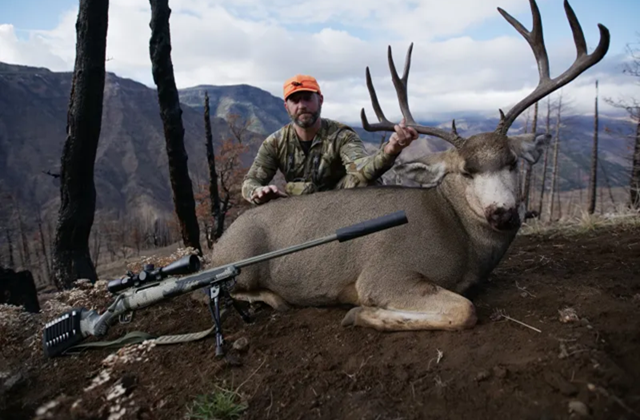
More on the subject of recreational hunting: What the research says about this is shown by Hunting fact-checked: the state of research.
The position of IG Wild beim Wild: IG Wild beim Wild rejects recreational hunting. Our model is the canton of Geneva, which has managed without recreational hunting since 1974: without hunting seasons, without hunting dogs, without driven hunts, without high seats, without the animal cruelty and crime that go hand in hand with hunting season elsewhere. What has worked there for over fifty years disproves every position paper by JagdSchweiz. An association that bases its policy on claims it refutes in its own documents is not a professional organisation, but a factory for misinformation.