Parliament in Poland votes for fur farm ban
Animal rights activists hope for an imminent end to these animal cruelty operations.

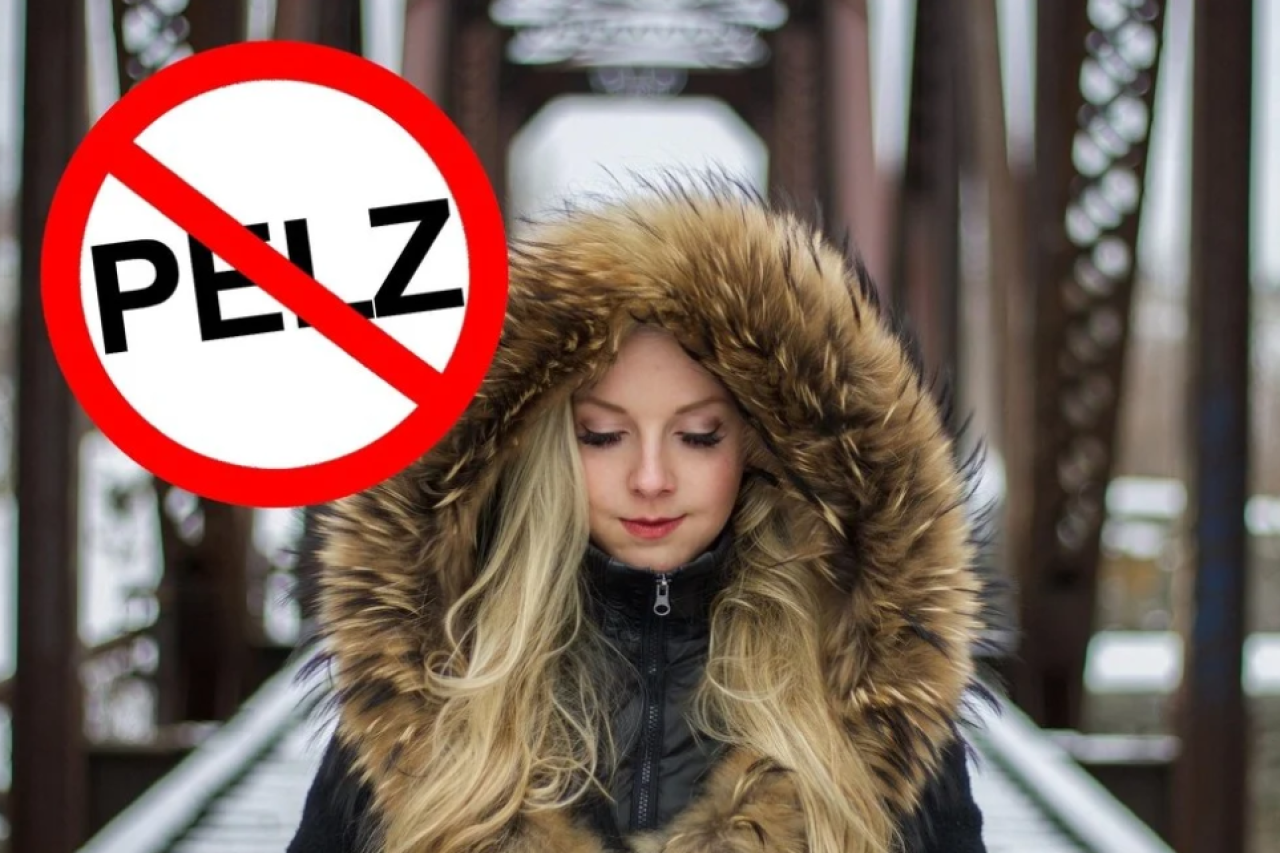
In mid-September, the Sejm – the lower house of the Polish parliament – voted by a clear majority of 365 to 75 in favour of an amendment to the animal welfare law. Among other things, this also prohibits the breeding of animals on so-called fur farms.
The law – which triggered a government crisis following the vote – can only come into force once it has been voted on in the Senate and signed by the President. 77% of members of parliament voted in favour of an amendment that includes a ban on breeding animals for fur.
The draft law «Five for Animals» proposed measures including the following:
- A ban on fur farming
- Strengthening controls on the living conditions of animals
- A ban on the use of animals for entertainment (e.g. in circuses)
- A ban on keeping animals permanently chained
- The definition of minimum cage sizes
- A restriction on the possibility of ritual slaughter
“PETA and all animal lovers around the world are delighted that the lower house of the Polish parliament voted by an overwhelming majority to amend the animal welfare law and thus also to ban the breeding of animals on fur farms. Poland is the third largest fur producer in the world after China and Denmark. If the Senate now makes an equally compassionate decision and the President signs it, millions of minks, foxes and raccoon dogs will no longer have their fur cut from their bodies after being forced to endure months in tiny and utterly filthy wire mesh cages. Furthermore, fur farms are true breeding grounds for pathogens – and COVID-19 has already spread massively on mink farms in several countries. The decision of the members of parliament will therefore save both animal and human lives.”
Johanna Fuoss, PETA Germany’s specialist advisor on clothing and textiles
Every year in Poland over 5 million animals are killed for fur killed. Hopefully this cruelty will finally come to an end.
It is a great victory for all those involved in the campaign.
Countries with stricter legislation on fur farms
Germany
In Germany, stricter regulations were passed in 2017 with a transitional period of 5 years. This means that mink farming will no longer be financially worthwhile for farmers. Since the founding of PETA Germany in 1994, we have repeatedly advocated for a national fur farming ban. We wrote anti-fur petitions, exposed animal suffering on fur farms, held demonstrations and published advertising campaigns featuring celebrities. Unfortunately, a comprehensive fur farming ban was blocked by pro-business politicians from the Union factions (CSU/CDU), who obstructed a corresponding draft law for almost a year and a half and ultimately watered it down so heavily that only the stricter husbandry conditions could be implemented.
Italy
In Italy, too, stricter laws were introduced in 2008 to protect foxes and chinchillas. The animals must now be provided with an enclosure with a solid floor, as well as nesting areas, toys and water for swimming. As a result of these requirements, the last chinchilla farm in Italy closed in 2012. Unfortunately, mink are still being killed for their fur in Italy.
Sweden
The Swedish Animal Welfare Act passed in 1995 prohibits keeping foxes in cages. The animals must have the opportunity to be active, to dig and to socialise with other foxes. From that point on, fox farms were no longer profitable, and the last operations closed their doors.
Switzerland
In Switzerland, the hurdles for fur farmers are currently the highest. Legislation only permits the keeping of wild animals in captivity under conditions equivalent to those required for modern zoos. This made fur farms unprofitable, and they shut down across the country.
More on the subject of recreational hunting: In our dossiers on recreational hunting gather fact-checks, analyses and background reports. What the research says about this is shown by Hunting fact-checked: the state of research.
The position of IG Wild beim Wild: IG Wild beim Wild rejects recreational hunting. Our model is the canton of Geneva, which has managed without recreational hunting since 1974: without hunting seasons, without hunting dogs, without driven hunts, without high seats, without the animal cruelty and crime that go hand in hand with hunting season elsewhere. What has worked there for over fifty years disproves every position paper by JagdSchweiz. An association that bases its policy on claims it refutes in its own documents is not a professional organisation, but a factory for misinformation.