Normalising the Way We Deal with Wolf and Lynx
The Federal Office for the Environment (FOEN) has published two concepts for wolf and lynx management.

The most important new element is a table for assessing the behavior of wolves in order to justify culling.
Pro Natura and WWF Switzerland criticize the excessive focus on danger and damage. Greater public information and consistent conflict prevention would be more effective approaches.
It is right that authorities address the risks involved in coexisting with wild animals, the Wolf Concept presented by the FOEN on 19 January 2016, however, focuses one-sidedly on potential dangers and pays little attention to peaceful coexistence with the wolf. With the new wolf behaviour assessment table, the FOEN reveals a problem-centred approach. “The Wolf Concept means that natural wolf behaviour is unnecessarily and prematurely interpreted as ‘dangerous’,” says Gabor von Bethlenfalvy, predator officer at WWF Switzerland. This makes it harder to deal with wolves in a factual manner. There is still too strong a reliance on culling to resolve supposed problems. This has already been demonstrated by the recent shooting permits issued by the cantons of St. Gallen and Graubünden, which are based on the assessment table.
Key elements are neglected in the concept. These include, among other things, a clear quality standard for documenting wolf-human encounters, so that such incidents can be reliably recorded and compared. Insufficient attention is also paid to the removal of food sources in and around settlements. It is cynical to accuse wolves of having lost their fear of humans when they are attracted by household or slaughterhouse waste.
The potential danger posed by wolves to humans is exaggerated by the assessment table presented by the FOEN. In Switzerland, there have been no signs of aggressive behavior, past or present. “There is no reason to dramatise the behavior observed in Swiss wolves. In individual cases it may be unwelcome, but it is not dangerous,” says Mirjam Ballmer, predator officer at Pro Natura.
Wolves and Lynxes: Good for Forest and Wildlife
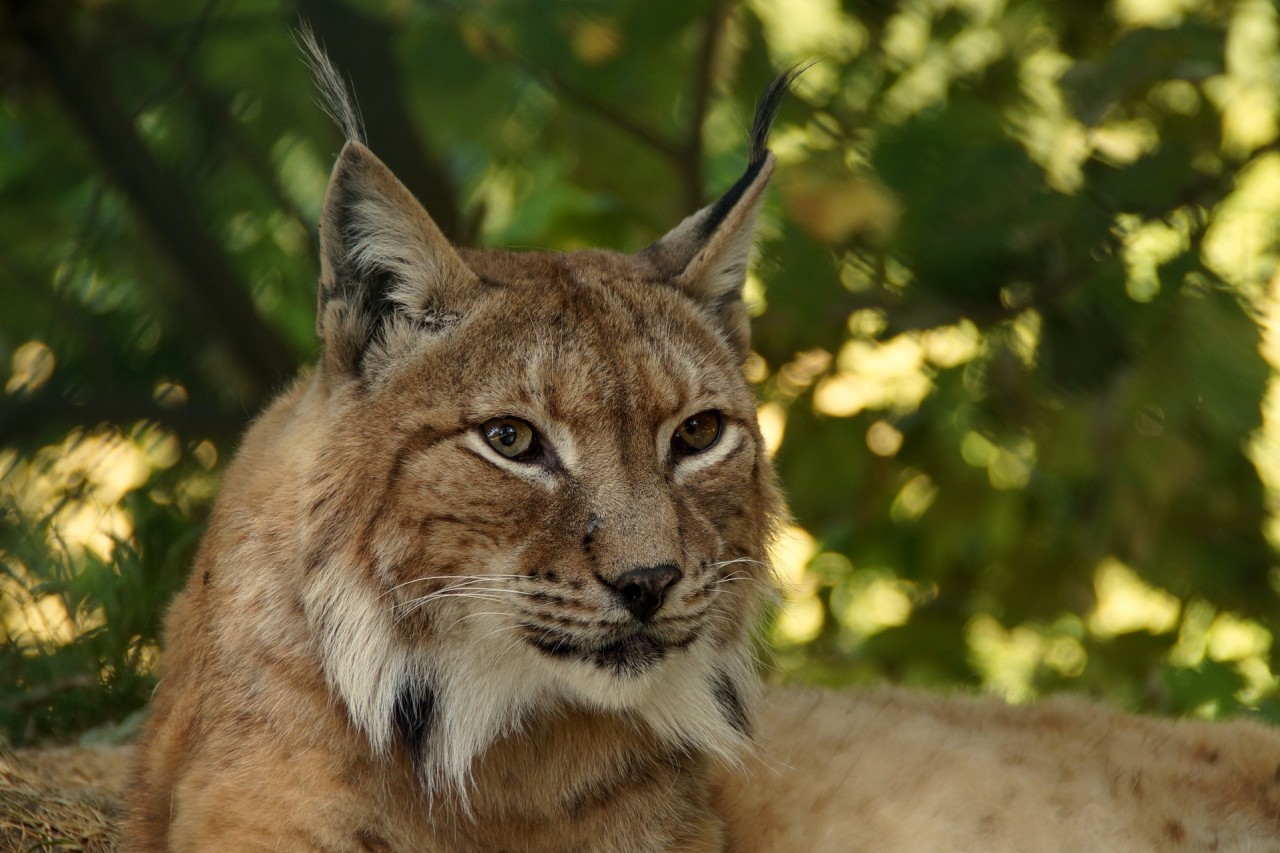
From the perspective of Pro Natura and WWF Switzerland, the revised wolf and lynx concepts continue to be shaped by an outdated notion of damage. Lynx and wolf, as returning native predators, represent an important enrichment of nature. Wolves are particularly valuable as health wardens for wildlife populations. Forestry experts also emphasize the positive influence of wolves and lynxes on the necessary regeneration of forests. “Both the lynx and the wolf concept give too little consideration to these desirable and positive aspects,” regrets Mirjam Ballmer, Pro Natura’s predator officer.
Related dossiers and articles: