Young wolves hunted by the Federal Office against the environment
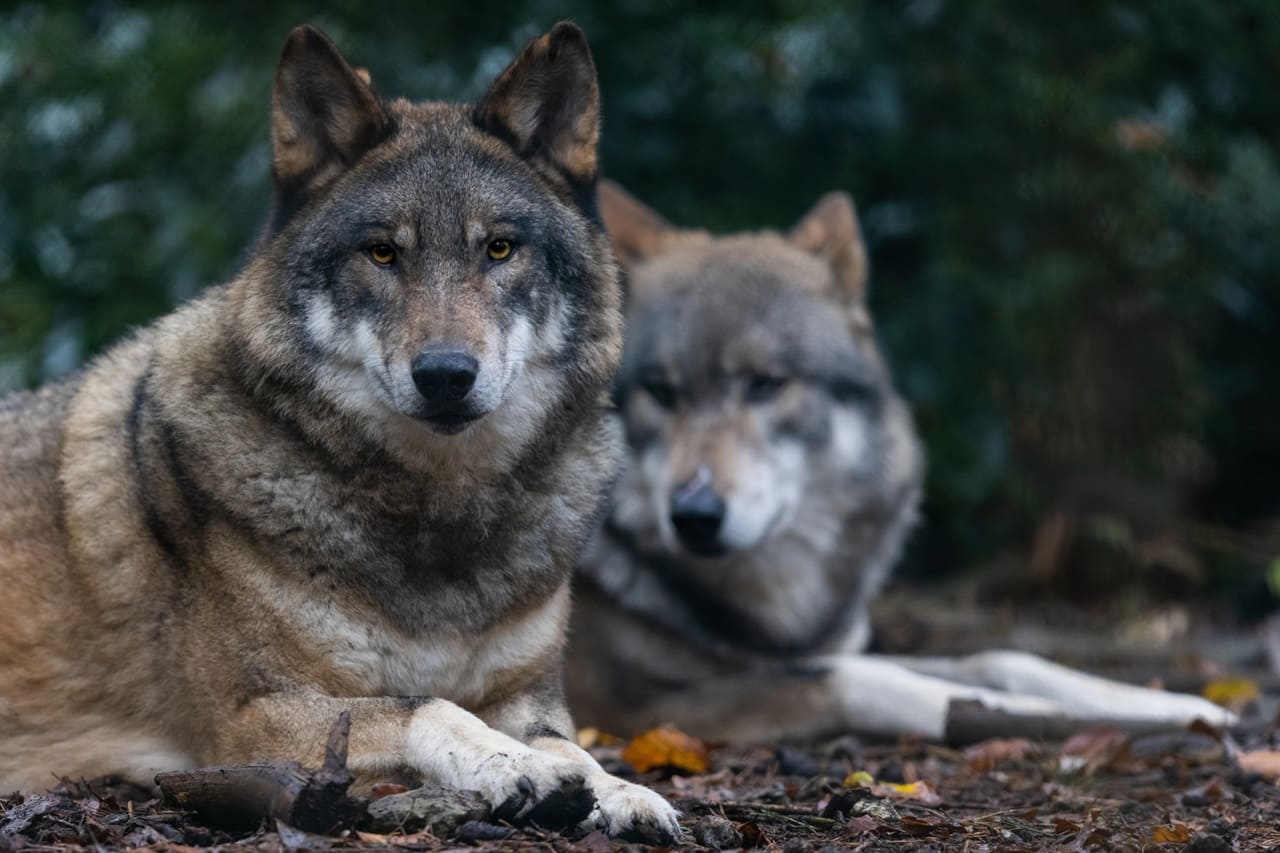
The Federal Office for the Environment (FOEN) has approved the shooting of two young wolves from the Calanda pack.


Pro Natura, WWF Switzerland, the Swiss Animal Protection and other organisations criticize the decisions as hasty and incomprehensible.
The approach taken by the authorities stands in the way of a pragmatic wolf policy, because it stirs up fears unnecessarily rather than alleviating them. The environmental organisations are calling for greater objectivity on the part of the authorities.

"Significant danger to people" — that is the decisive reason why the cantons of St. Gallen and Graubünden applied for a shooting permit for two young wolves. Such a threat posed by wolves is assumed when wolves from a pack "regularly stay of their own accord within or in the immediate vicinity of settlements" (Art. 4 Hunting Ordinance). In addition, the ordinance requires a lack of shyness or obvious aggressiveness.
The myth of the wolf
Contrary to the myth, most of the world's wolves live in close proximity to humans. They can be found on the outskirts of Rome, in Spanish cornfields, and in Romania they roam through towns at night. As intelligent animals, they learn when humans pose a danger and when they do not. Humans, however, do not fall within their prey spectrum. Unlike other predators such as cougars, brown bears, tigers — or unsupervised dogs — wolves are responsible for extremely few documented attacks on humans worldwide. It is paradoxical that the authorities of St. Gallen and Graubünden are conjuring up a danger to humans in order to shoot two young wolves, writes the Swiss Animal Protection.
In the view of the organisations, these conditions are not met in the case of the young Calanda wolves. They criticize the decision of both cantons and the Federal Office for the Environment (FOEN) for the following reasons:
- Pro Natura and WWF have already criticized the unclear interpretation of the legal provision “threat to humans” during the revision of the hunting ordinance, because it portrays entirely normal situations as potential dangers and stokes unfounded fears among the public.
- Even if wolves — like their natural prey — occasionally approach settlements, this is not unusual. This experience has already been made in most countries where wolves are present, without any people being put at risk.
- The cantons of SG and GR, as well as the FOEN, are reacting hastily and in response to political pressure from wolf opponents. The desired learning effect on the remaining wolves is based on hope alone and is scientifically questionable.
- When packs are decimated through culling, the social structure is destabilised, which can lead to more livestock depredation or more conspicuous behavior. It is therefore quite possible that shooting pack members will not resolve the alleged problems but will instead create further ones.
- The cantons of SG and GR and the FOEN are, through their overreaction, fostering a climate of fear and uncertainty. This makes a pragmatic, measured wolf policy — one that calmly works towards low-conflict coexistence — more difficult. What is needed now, above all, is factual information and public education work on the part of the cantons. The cantons must also ensure that, in future, no food sources such as slaughter waste and carcass sites are available near settlements.
- A significant threat to human life — as would be required under Art. 4 of the Hunting Ordinance as a condition for shooting a protected species — is by no means present here. The observed lack of shyness is relatively common in unsuspecting young wolves and could be addressed through the use of deterrent methods — such as rubber pellets, pepper spray, or fire (torches, banger cartridges). Killing juvenile animals is therefore unacceptable to the STS.
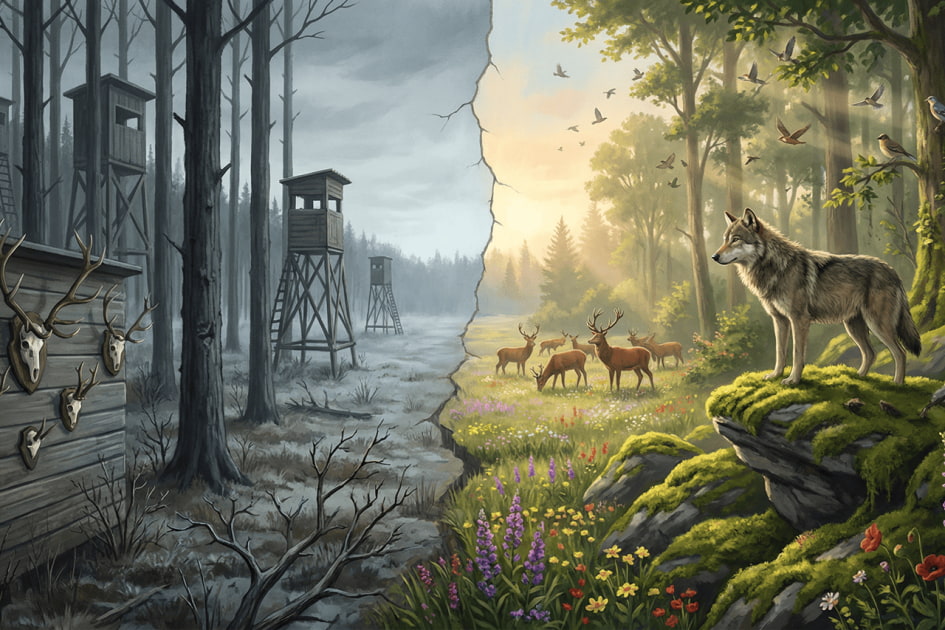
As returning native predators, wolves are an important asset to nature. They are valuable health guardians for wildlife populations. Their presence leads to changed behavior among ungulate populations and reduces pressure on young forest growth — particularly in protection forests, this is of great benefit. It is therefore an outdated stance to continue speaking only of “damage.”
The two environmental organisations will review the culling dossier and reserve the right to take legal action.
Related dossiers and articles:
- Dossier: The Wolf in Europe
- Dossier: Herd Protection in Switzerland
- Dossier: Hunting Laws and Regulation
- Dossier: Hunting Myths
- Another Valais Wolf Is Shot
- Wolf Shooting: WWF Files Complaint
- Template Text: Species Protection Standards for Wolf Shootings