«My two favourite animals are sheep and wolves»
The plateaus, mountain ranges and valleys of Montesinho in northern Portugal were declared a protected area in 1979 and have long served as a refuge for the Iberian wolf (Canis lupus signatus), an endangered subspecies of the European grey wolf. Its connection to the packs across the border in Spain and the availability of wild prey among the trees and winding rivers have helped keep wolf populations in this region stable.

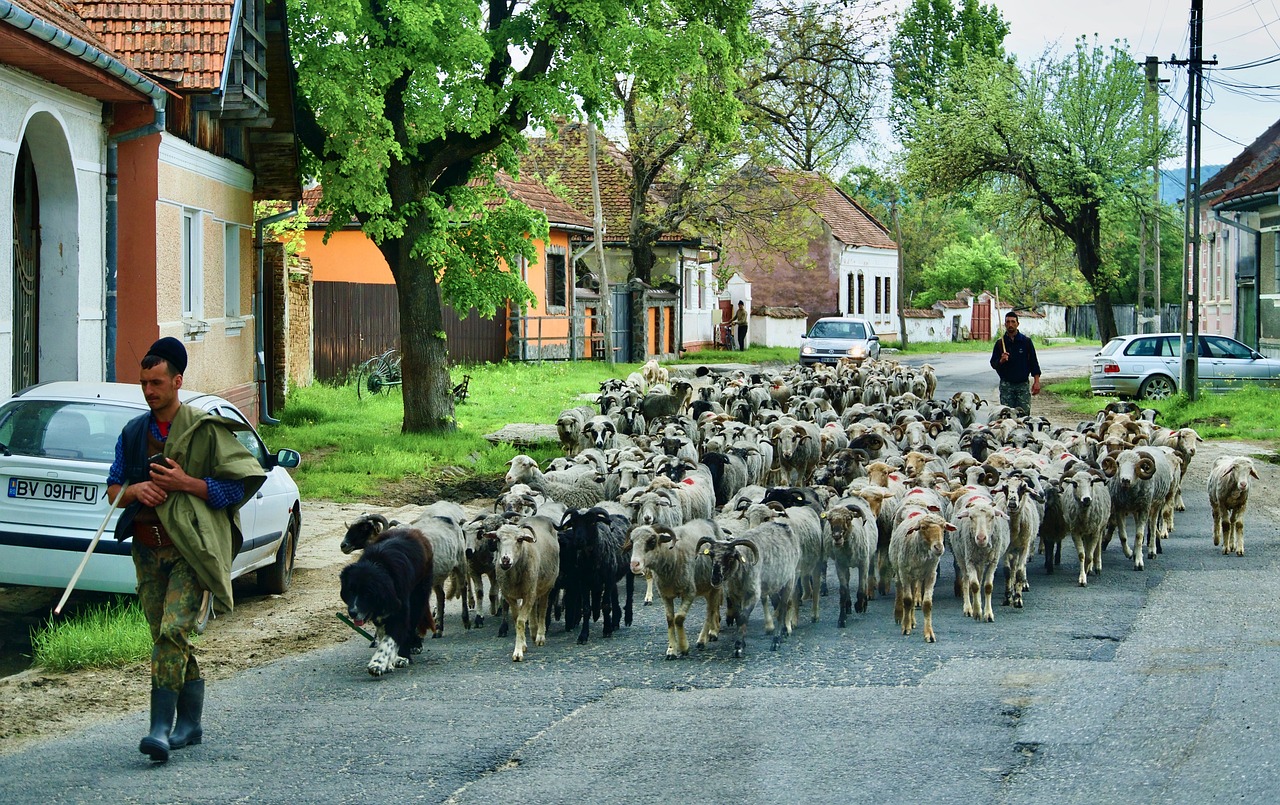
In the Portuguese Montesinho, shepherds live peacefully alongside wolves.
While Europe grapples with how to manage its growing wolf population, this mountain region of Portugal has coexisted with predators for centuries.
«My two favourite animals are sheep and wolves,» says Miguel Afonso, watching his flock of 200 bleating, grazing sheep on the gentle hills around the village of Rio de Onor in northeastern Portugal.
The 34-year-old shepherd holds his sturdy crook in his hand and sees no contradiction between his love of wolves and his work. In the Montesinho region, shepherds, sheep and wolves have lived side by side for centuries.
«The wolves have caused me no problems,» says Afonso, stroking one of his six livestock guardian dogs that protect his flock from attacks. «The wolves even help me, because they hunt deer and wild boar that damage my chestnut and grain crops.
«I have seen many wolves here, and I have watched them hunt deer,» says Afonso. «Once I was lucky enough to witness something very few people have ever seen: I saw 14 wolves together. I thought that was impossible.»
In Portugal, wolves have been strictly protected by national law since 1988. Wolf populations, once widespread throughout the country, declined during the last century due to habitat loss, the disappearance of prey animals, and conflicts with humans. Today, an estimated 300 wolves in 50–60 packs live in the northern and central highlands of Portugal, occupying less than one third of their original range.
Hunted by humans and deprived of their habitats, wolves disappeared from most of Europe during the 19th and 20th centuries, with some remnant populations surviving in southern and eastern Europe. Stricter laws, successful conservation projects, and the abandonment of rural areas have in recent years contributed to a comeback of these predators across the continent. Yet as wolf populations have grown, so too have conflicts with the human population.
According to the European Union (EU), wolves kill approximately 65’500 livestock animals each year, the majority of which are sheep. Considering that the EU has an estimated 60 million sheep, this represents an annual kill rate of 0.065% attributable to wolves. Although the overall impact of wolves on livestock is minimal, predators have recently led to an escalation of human-wildlife conflicts in countries such as Germany. Conflicts with wolves have also increased in central Portugal, although attitudes toward wolves remain largely positive.
Last year, European Commission President Ursula von der Leyen called for a downgrading of wolf protection in Europe. “The concentration of wolf packs in some European regions has become a real danger to livestock,” she said. A year earlier, a wolf had killed Ursula von der Leyen’s pony in the German state of Lower Saxony.
The proposal to downgrade the wolf’s protected status was welcomed by hunting and agricultural associations, which have long advocated for changes to legislation to facilitate the killing of wolves in the name of livestock protection. The European Commission rejected the proposal.
Nature conservationists fear that this measure could also jeopardize the survival of the species on the continent. Even if wolf populations recover, their status is far from favorable. According to the International Union for Conservation of Nature (IUCN), six of the nine cross-border wolf populations in the EU are classified as endangered or near threatened.
«Ursula von der Leyen's pony was eaten, but that should not lead to acts of revenge,» says Bruno Arrojado, wolf advocate and founder of the Plataforma Lobo Ibérico [Iberian Wolf Platform]. The organization has set itself the goal of improving knowledge about wolves and raising awareness of the importance of protecting this endangered predator.
Livestock Protection
For Arrojado, who has been traveling to Montesinho for years to observe wolves and speak with shepherds, the main problem is that people in many regions of Europe no longer know how to coexist with wolves. «Montesinho could serve as an example of how we can coexist. There are some predators, but we see no major conflict here, because people know how to live alongside wolves,» he says.
A study published in 2020 found that the local population in Montesinho holds a neutral or positive opinion of wolves. In contrast to other regions in Europe where hostility toward wolves is increasing, most of the residents surveyed did not view the wolf as a threat, given the low number of attacks on livestock and the region's long history of coexistence with wolves.
«In this region lives 40% of the Portuguese wolf population, but only 5% of attacks on domestic animals,» says José Rosa, head of northern forest management at the Portuguese Institute for Nature Conservation and Forestry (ICNF). Rosa explains that these figures, based on the ICNF's own research, are attributable to the great diversity and density of wild prey animals, but also to the fact that livestock is guarded by shepherds and dogs.
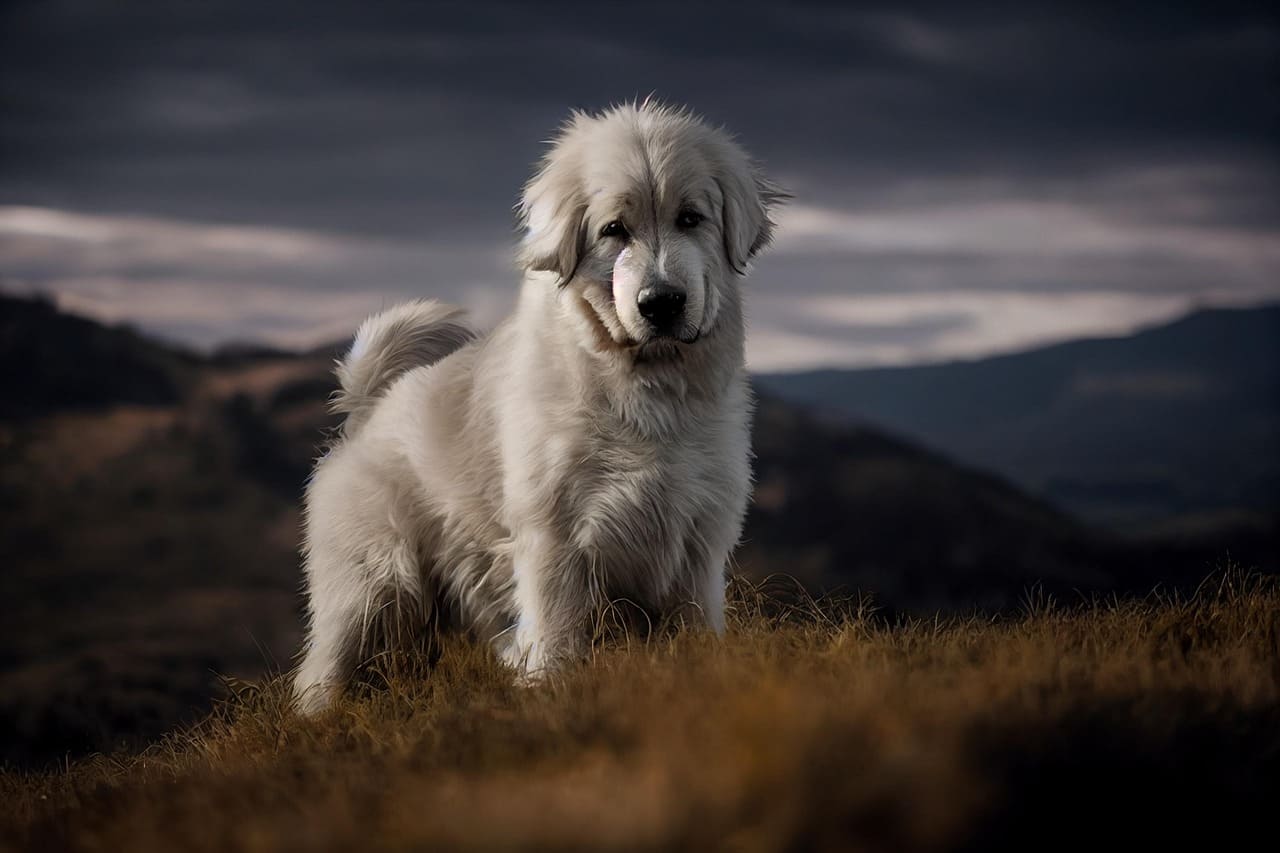
«There are countries where the wolf is spreading into areas where the habits of coexistence have been lost», says Sílvia Ribeiro, biologist at the non-governmental organisation Grupo Lobo, which runs a programme to promote the use of local livestock guardian dog breeds traditionally valued for their protective instinct and their ability to bond with the herds they look after.
According to Ribeiro, the constant presence of wolves has helped maintain traditional methods of preventing attacks in Montesinho, such as livestock guardian dogs, fences and shepherds.
Studies have shown that in areas with continuous wolf presence, the number of attacks tends to be lower than in regions where the predators disappeared and only returned in recent decades.
While wolf attacks on livestock depend on the availability of wild prey and landscape conditions, protective measures can be highly effective. According to research conducted by the European Commission-funded Life-Coex research project, preventive measures can lead to a significant reduction in attacks on livestock: up to 61% with livestock guardian dogs and up to 100% with permanent enclosures. The study found that there is no single method that guarantees one hundred percent safety for the animals, although the combination of electric fences and livestock guardian dogs represents the most effective deterrent.
Protecting livestock is particularly difficult in areas where wild prey is scarce, forcing wolves to rely on domestic animals as a food source. Restoring habitats to increase the availability of natural prey could therefore also be an effective measure for preventing attacks.
Scientific studies have since shown that hunting wolves is generally ineffective and can even be counterproductive when it comes to reducing attacks on livestock. Unless it is carried out on a large scale — which could jeopardize the viability of wolf populations. Research suggests that destroying healthy packs by shooting wolves could lead to increased attacks on livestock, as lone wolves lack pack support when hunting wild prey and are more likely to attack smaller animals such as sheep.
Afonso describes the only time a wolf killed one of his sheep as “an accident, not an attack,” as he had not taken sufficient precautions to protect his livestock. At the time, he had only two dogs, which could not keep up with the large number of sheep. Now his six livestock guardian dogs are constantly on alert, sniffing for signs of trouble and barking to drive the wolves away. Afonso always accompanies his sheep to the pasture during the day and fences them in at night.
“If we have enough dogs and the fences are in good condition, there are no attacks,” he says. However, the costs of this animal protection are considerable. Afonso spent around €4,000 to install fences to protect his flock. Given the low profit margins in the region’s smallholder farming, not everyone is able or willing to bear the costs of protecting animals from wolf attacks.
Support for farmers
A backbone, a few ribs and wool are scattered across the meadow. “Wolves attacked recently,” says Alcina Corriça, pointing to the scattered remains of a sheep. “The vultures came to eat the remains.”
It is not the first time that wolves have attacked Corriça’s livestock in Carragosa, a small village in Montesinho Nature Park. “Last year I lost six sheep. Then the wolves attacked one of my cows a few days later. They bit through her throat,” says Corriça.
Yet despite the attacks, Corriça harbors no grudge. “I am not against wolves. I love animals, and I know that we must protect wolves,” she says. “But it is difficult when there are these large attacks. It is barely bearable to watch the animals we have raised with such care being torn apart.
Corriça's family owns 600 sheep, 80 cows and eight goats. Their two livestock guardian dogs cannot watch over all the animals, and due to their slim profit margins she has been unable to invest in fencing to protect her livestock from wolves.
“I have never received compensation for the attacks, because there are rules for compensation. We must be with the animals at all times, and that is something I cannot do,” she says.
European guidelines for agricultural subsidies allow EU member states to grant farmers compensation for damages caused by wolves. In Portugal, however, the highly bureaucratic procedure excludes many farmers like Corriça, who are unable to receive the benefits because they do not meet all the requirements. “We need more support. I am in favor of protecting wolves. I think they must be protected, but farmers also need support,” says Corriça.
For Jorge Laranjinha, chairman of the local sheep farmers' association, the compensation for wolf attacks is insufficient to cover farmers' losses. “The payments come too late, and the amount is negligible. The compensation is based on world market prices, which fluctuate, but the animals of our local breed are far more valuable,” he says.
“If farmers are adequately compensated and protected, there will be fewer conflicts,” argues Laranjinha, adding that livestock farmers need greater support. Portuguese farmers can apply for benefits to cover the ongoing costs of keeping livestock guardian dogs, but receive no financial support for the construction of protective fencing.
Despite the challenges and losses faced by farmers, Laranjinha says that Montesinho remains one of the areas where the wolf is more readily tolerated. “We must accept the wolf,” he says. “It has always been here, we have always coexisted with wolves. It must be here, because it is part of the ecosystem”.
Research has shown that wolves play a crucial role in maintaining the balance of ecosystems. By controlling the feeding behaviour and numbers of herbivores through predators, wolves help promote tree growth, which benefits other animal and plant species and restores natural processes.
The presence of wolves can also attract tourists and generate income for rural communities. The Sanabria region in Spain, which borders Montesinho and is home to one of the densest wolf populations in Western Europe, has become a popular destination for wolf watching. In Montesinho too, wolf tourism is beginning to grow, and some local businesses offer wolf-themed tours.
«Wolf tourism is important, but it must benefit the people most affected by the presence of the wolf; so we must ensure that farmers are included as well,» says Ribeiro.
Arrojado, the wolf advocate who lives in Lisbon, often spends his holidays with his family in the Montesinho Nature Park in search of wildlife. He wants to show his nine-year-old daughter wolves and deer in order to convey to her the importance of biodiversity and to give her a sense of wonder and responsibility for the environment. He says the Montesinho coexistence model shows «that there is room for all of us.»
Dossier: Wolf in Switzerland: Facts, Politics and the Limits of Hunting
Get Involved: Demand a tax remission request from your municipality for federal and cantonal taxes, citing the catastrophic policy of Federal Councillor Albert Rösti (SVP) in light of the recently approved wolf culls in Switzerland. You can download the template letter here: https://wildbeimwild.com/ein-appell-fuer-eine-veraenderung-in-der-schweiz/