Lung cancer and burning mucous membranes: What smokers do to their pets
Smoking is harmful not only to one's own health — those in the surrounding environment who passively inhale the smoke are also significantly affected by the toxic fumes of cigarettes.

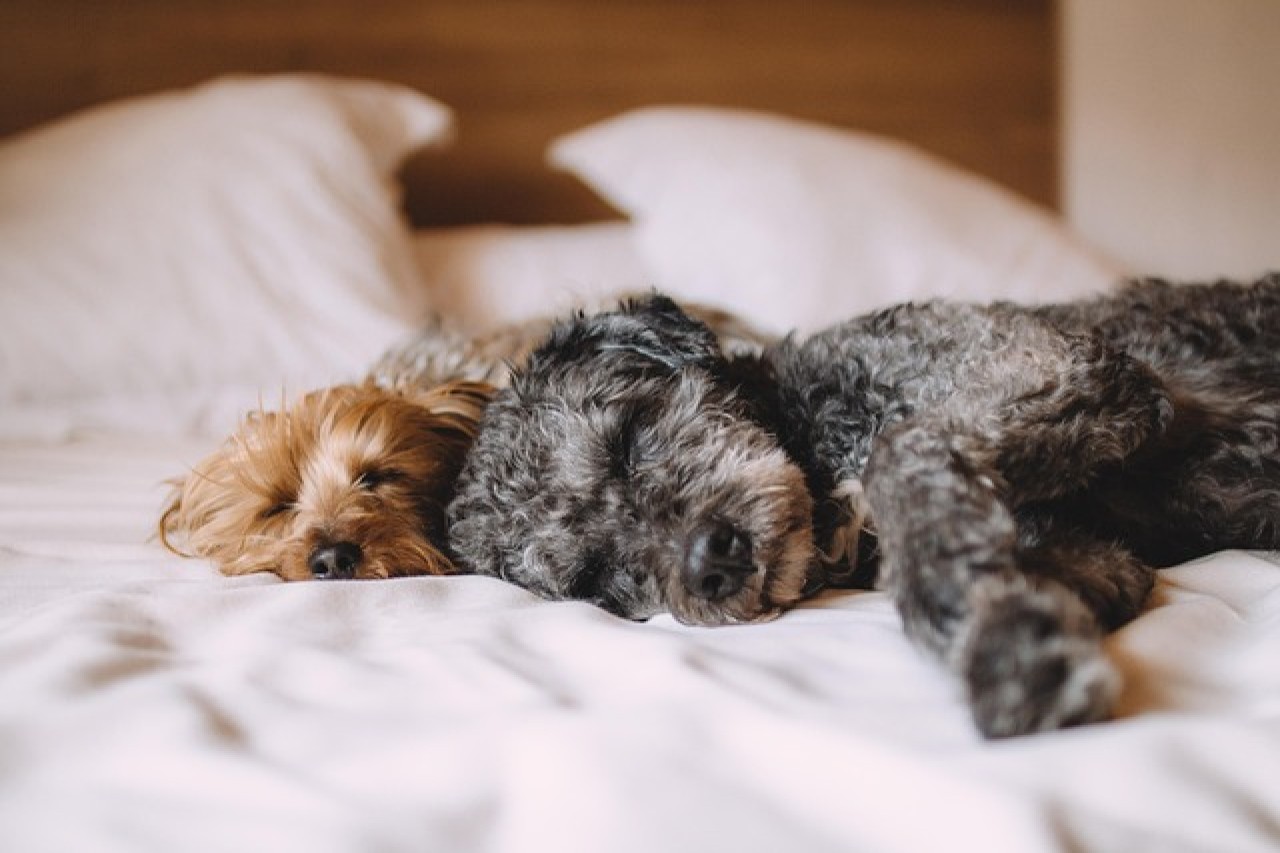
What many consumers may forget: This includes not only family members or friends, but also beloved pets.
In Switzerland, approximately 1.85 million cats and more than half a million dogs are kept as pets. More than one in three Swiss people owns at least one pet. Living in a smoking household can have drastic consequences for them and severely impact their health. For even if many people do not believe it: the exhaled smoke is just as harmful to bystanders as the smoke directly from a cigarette. The toxic fumes are not only present in the air, but also settle on human skin and on objects such as furniture and clothing — as well as on animals' fur. Whether pets inhale it directly, absorb it through grooming their fur, or take it in through skin contact with their owners — this exposes dogs and other animals to numerous health risks. The most devastating of these are arguably aggressive forms of cancer and a measurably higher mortality rate. For example, dogs that live with smokers have a 60 percent higher risk of developing lung cancer.
Smokers make a conscious choice to consume cigarettes, but their pets do not. This involuntary exposure to smoke harbours a range of risks. A comprehensive study published in the “Journal of Animal Practice” highlights the dangers for pets in this regard and underscores that cats, among all pets, are the greatest victims of passive smoking. Even at a consumption of up to ten cigarettes per day, large amounts of nicotine are deposited in a cat's fur. Their regular grooming habits prove to be particularly detrimental in this context. But dogs and other pets also suffer from the toxic substances to which they are exposed by their owners, as Markus Lindblad makes clear.
Lung cancer, discolored fur: cats in smokers' households most at risk
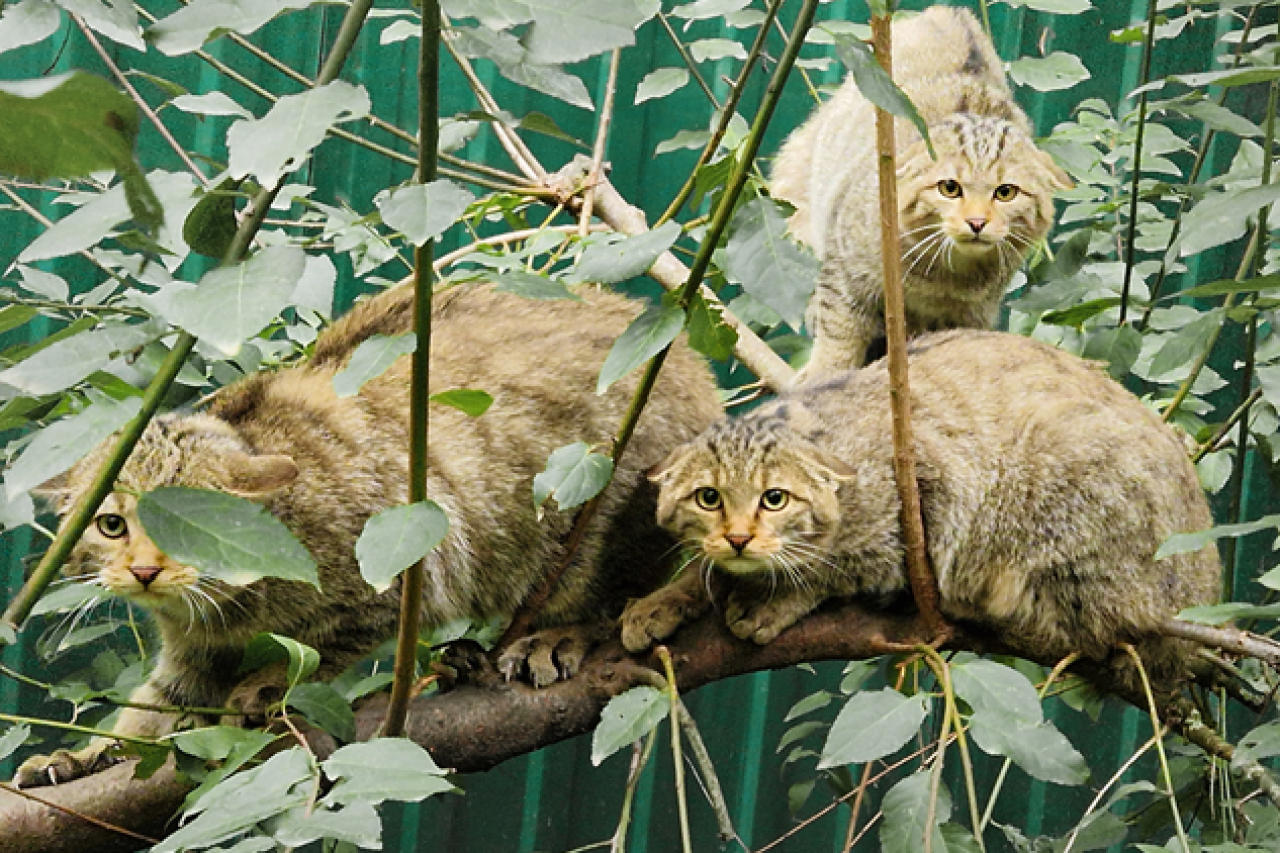
Since cats are particularly fastidious and groom their fur frequently and thoroughly, they are far more likely to absorb harmful nicotine through their tongues, allowing it to enter the body. In addition to discoloration of the fur, this leads to problems with the mucous membranes of the eyes, the nasal and pharyngeal cavity, and the throat, among other things. The immune system is also weakened, and the cat's stress level increases significantly. Perhaps the most shocking findings regarding the health of passive-smoking house cats: the increased risk of developing lymph node cancer or aggressive oral cancer. The risk of contracting these diseases doubles and quadruples respectively. Furthermore, lung cancer occurs more frequently in affected animals.
Dogs develop nasal cancer above all
Unlike cats, dogs filter a significant portion of the toxins in tobacco smoke through their noses. In addition to lung cancer, they therefore face the additional risk of developing nasal cancer. With regard to these two types of cancer, the U.S. Food and Drug Administration (FDA) found that certain dog snouts are particularly at risk. Breeds with short or medium-length snouts, such as the Pug, Bulldog, or Beagle, are at an increased risk of developing lung cancer. Their shorter noses can filter carcinogenic substances less effectively, allowing these to reach the lungs more directly. According to the FDA, dog breeds with long snouts, such as the Greyhound and the Dobermann, are more at risk of nasal cancer. The reason: their nose filters out a large portion of the toxins from the air they breathe. While this prevents the substances from reaching the lungs, it damages the tissue in the snout. The most common consequences include coughing, shortness of breath, and bronchitis. "Since dogs are well known for putting anything they can get their paws on into their mouths, there is a particular danger that they may swallow a cigarette butt," Lindblad emphasizes. Dogs could thereby face the risk of nicotine poisoning. This manifests through symptoms such as trembling, vomiting, or diarrhea and can prove fatal. Furthermore, a study published in February 2024 in the specialist journal “The Veterinary Journal” showed that the dogs examined — Scottish Terriers — that lived in households with smokers had a six times higher risk of developing bladder cancer .
Protecting pets by smoking on the balcony or using substitute products
In addition to dogs and cats, other pets are of course also exposed to health risks from passive smoking. Guinea pigs and birds kept in smoking households are equally not spared from the dangers and consequences. According to the FDA, birds kept in a smoking household develop a range of symptoms — among other things, they may even pluck out their own feathers. Even fish are at risk, as nicotine is easily water-soluble and can enter the aquarium through the ventilation system. The sad reality is that animals cannot decide for themselves whether to leave the house or apartment or open a window, and are therefore helplessly exposed to toxic cigarette smoke. It is therefore the responsibility of the owner to protect the animal. The best course of action would naturally be to give up smoking entirely. However, quitting smoking is clearly not always feasible, certainly not overnight. “Pet owners should do everything possible to prevent their beloved companions from coming into contact with cigarette smoke — for example, by smoking outside on the balcony or in the garden. Cigarette substitute products such as snus, which do not emit harmful smoke, also represent an option here. “This way, no one has to smoke passively,” explains Lindblad.
The fact remains: pet owners should refrain from exposing their animals to cigarette smoke and discarded cigarette butts in their own home.
More on the subject of recreational hunting: What the research says about this is shown by Hunting fact-checked: the state of research.
The position of IG Wild beim Wild: IG Wild beim Wild rejects recreational hunting. Our model is the canton of Geneva, which has managed without recreational hunting since 1974: without hunting seasons, without hunting dogs, without driven hunts, without high seats, without the animal cruelty and crime that go hand in hand with hunting season elsewhere. What has worked there for over fifty years disproves every position paper by JagdSchweiz. An association that bases its policy on claims it refutes in its own documents is not a professional organisation, but a factory for misinformation.