Loud and colorful against hunters' junk
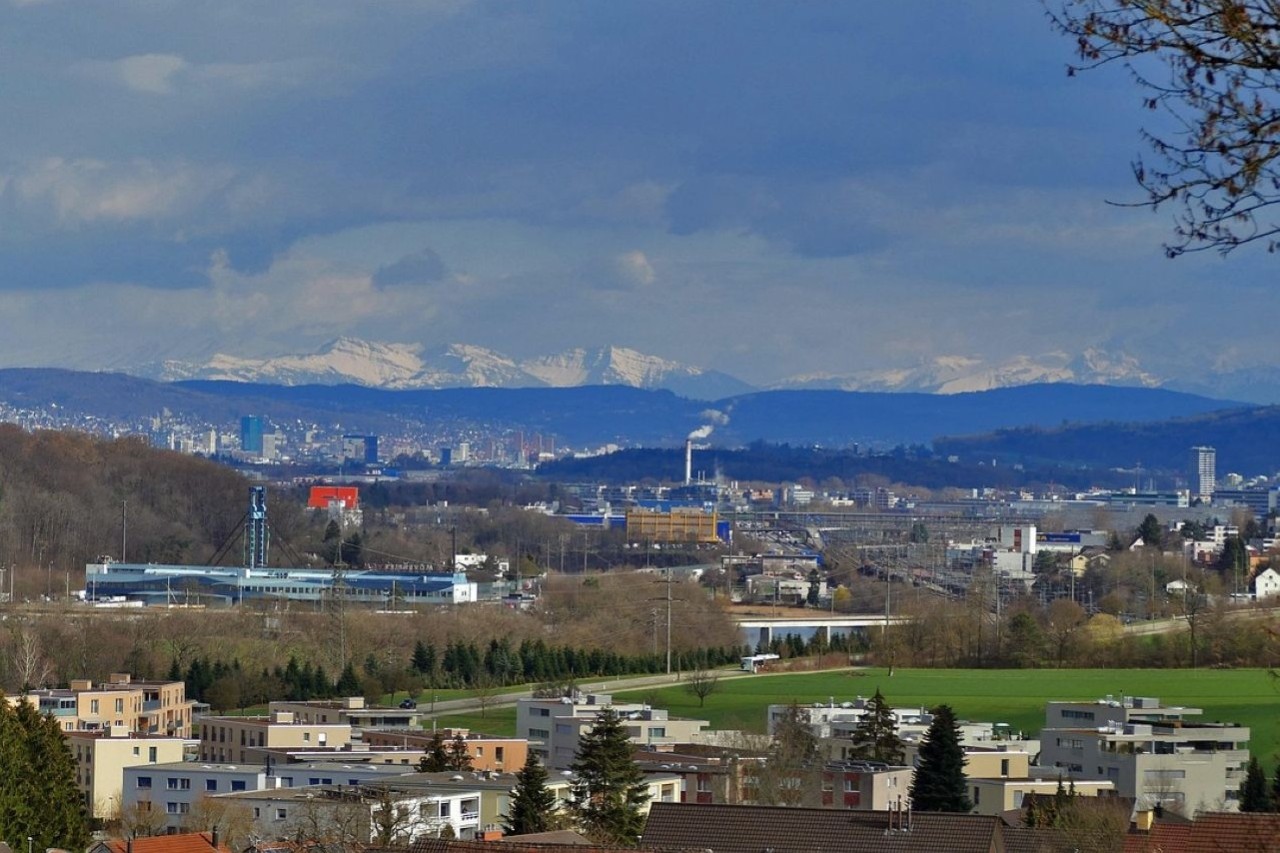
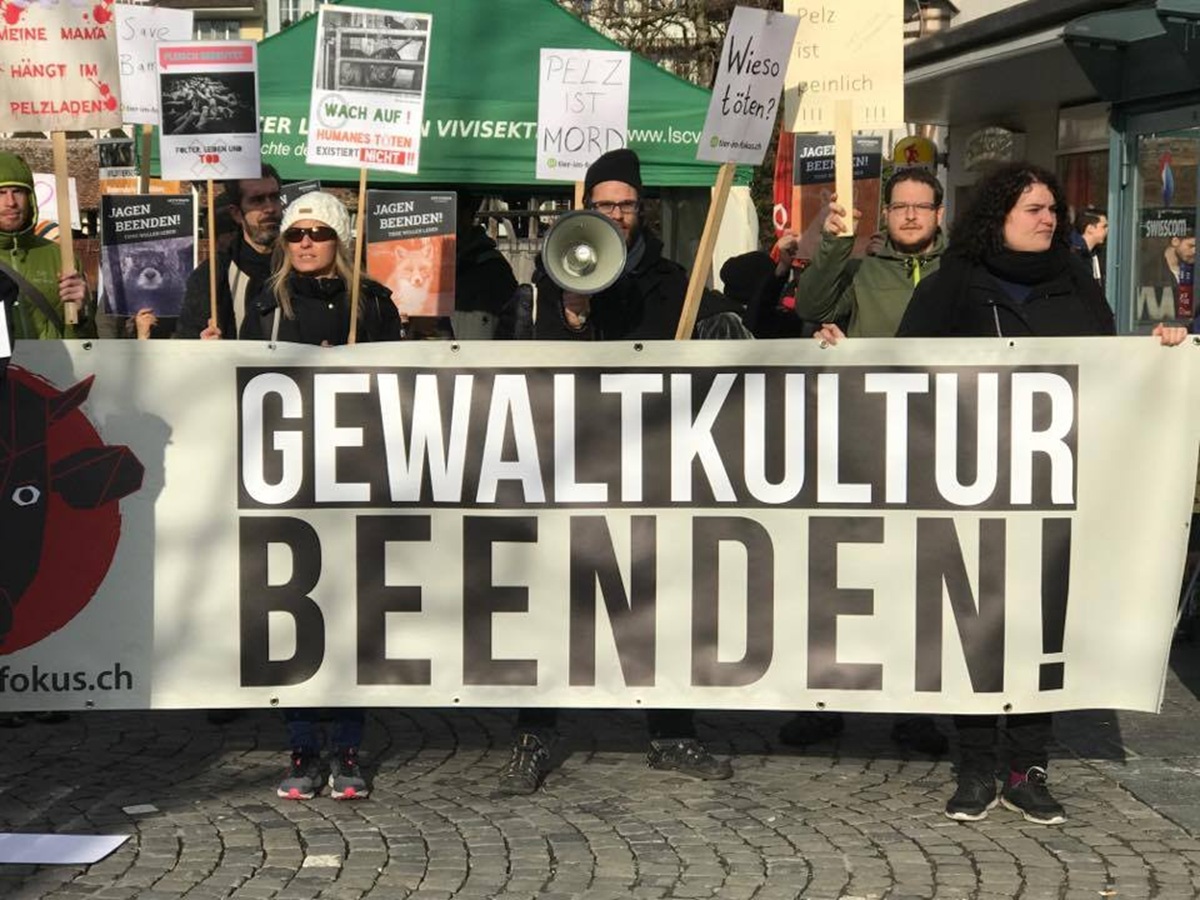
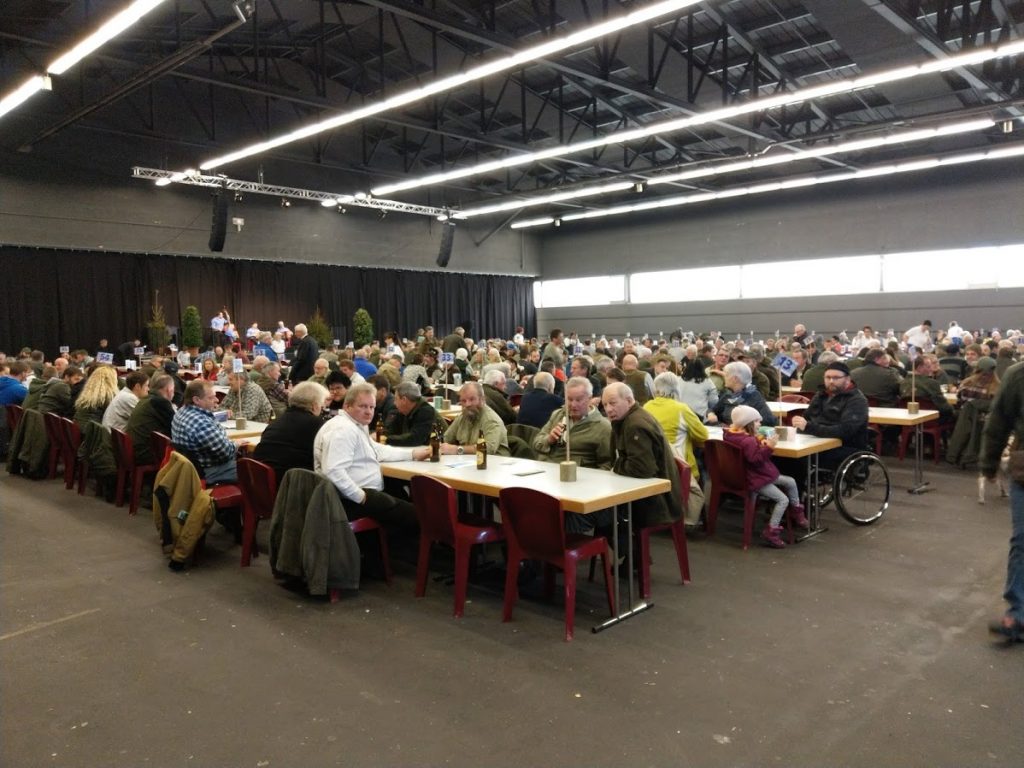
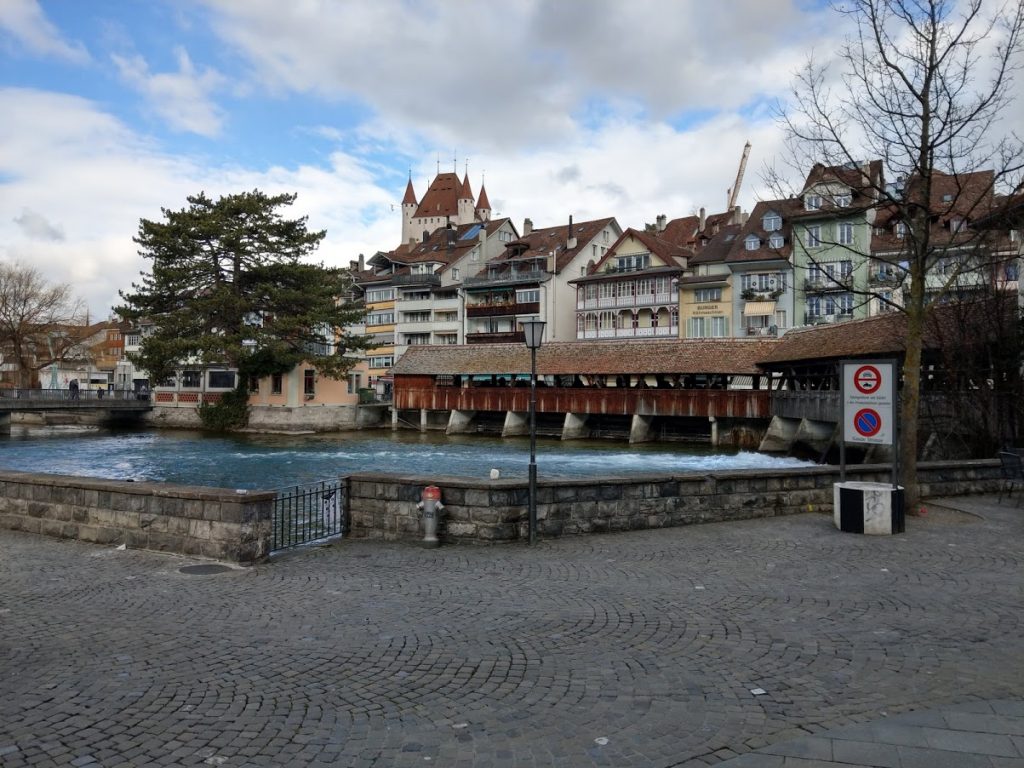
On Saturday, February 3, 2018, the fur and pelt market took place for the 84th time at the Thun exhibition grounds in the canton of Bern. At the same time, animal rights activists called for a rally against the fake culture. Since 1934, Bernese hunters have been selling the pelts of their shot animals to traders once a year. Always held in February


On Saturday, February 3, 2018, the fur and pelt market took place for the 84th time at the Thun exhibition grounds in the canton of Bern. At the same time, animal rights activists called for a rally against the fake culture.
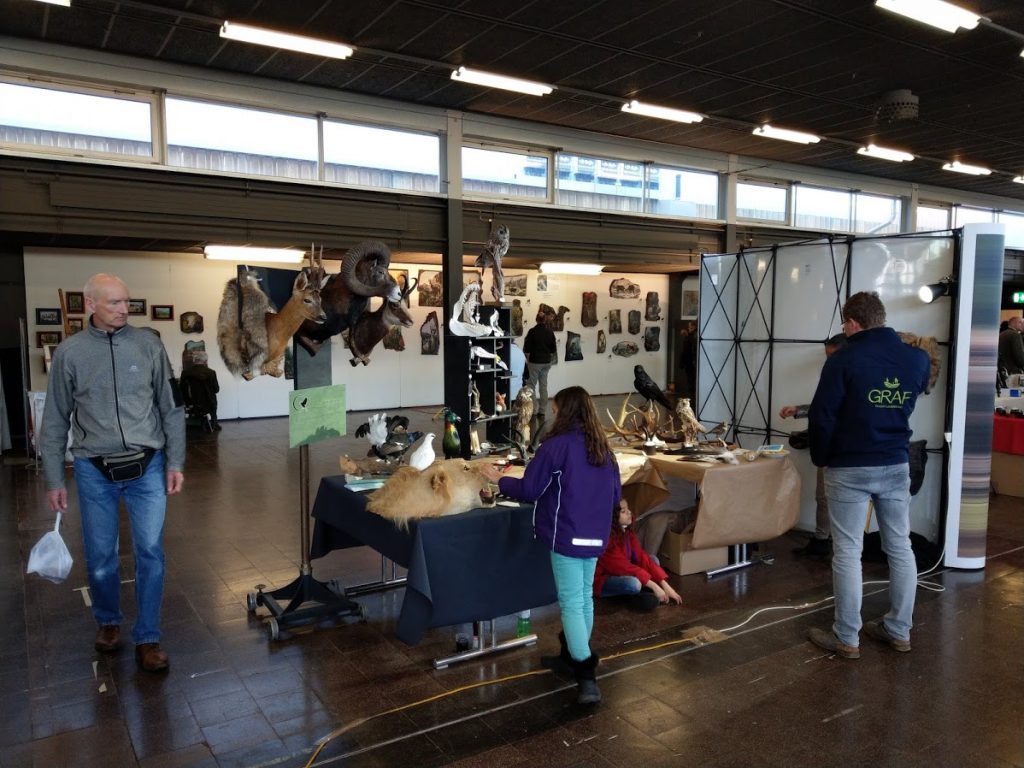
Since 1934, Bernese recreational hunters have been selling the pelts of their shot animals to traders once a year. At the Thun fur and pelt market, which always takes place in February, fox pelts are the main offering, but pelts from other wild animals are also sold. Weapons were also sold and hunting trips offered.
Yawning emptiness at the recreational hunters' market
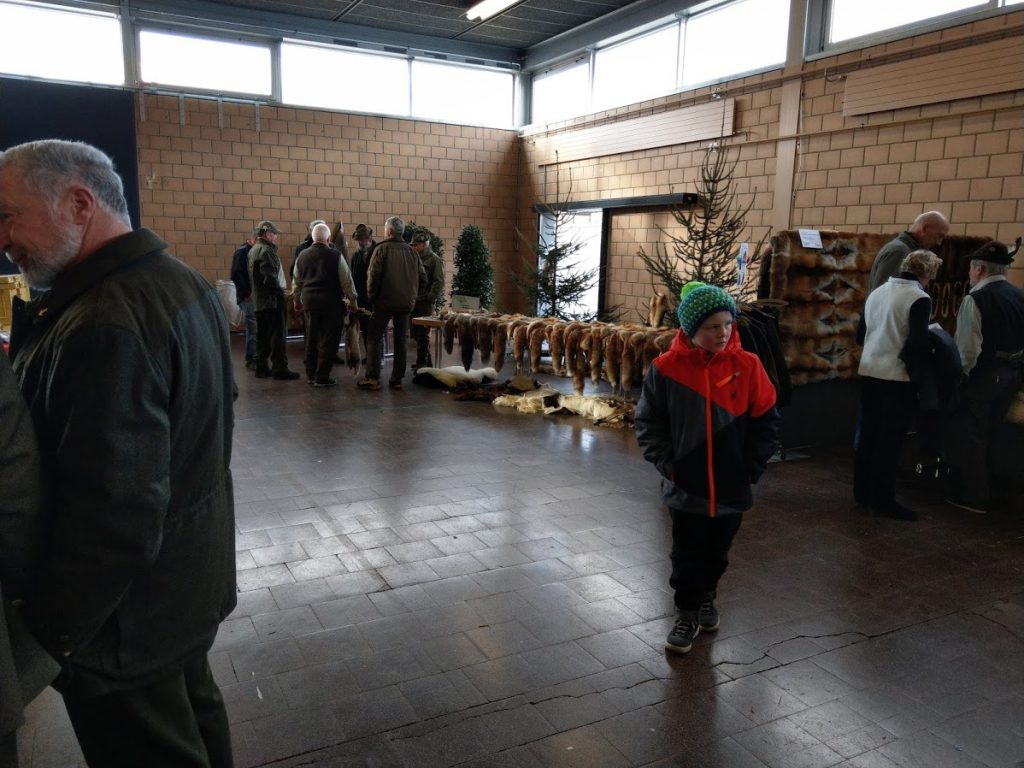
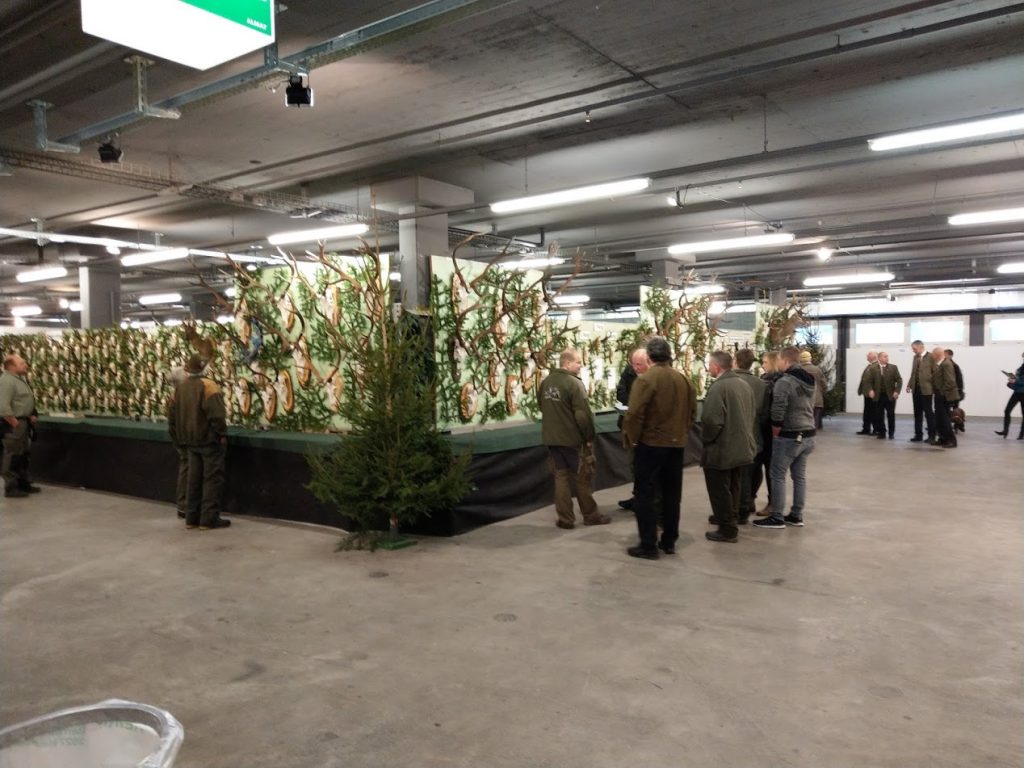
This event is said to be the largest recreational hunters' event in the canton of Bern. However, the public paid virtually no attention to it. The stalls were more or less deserted.
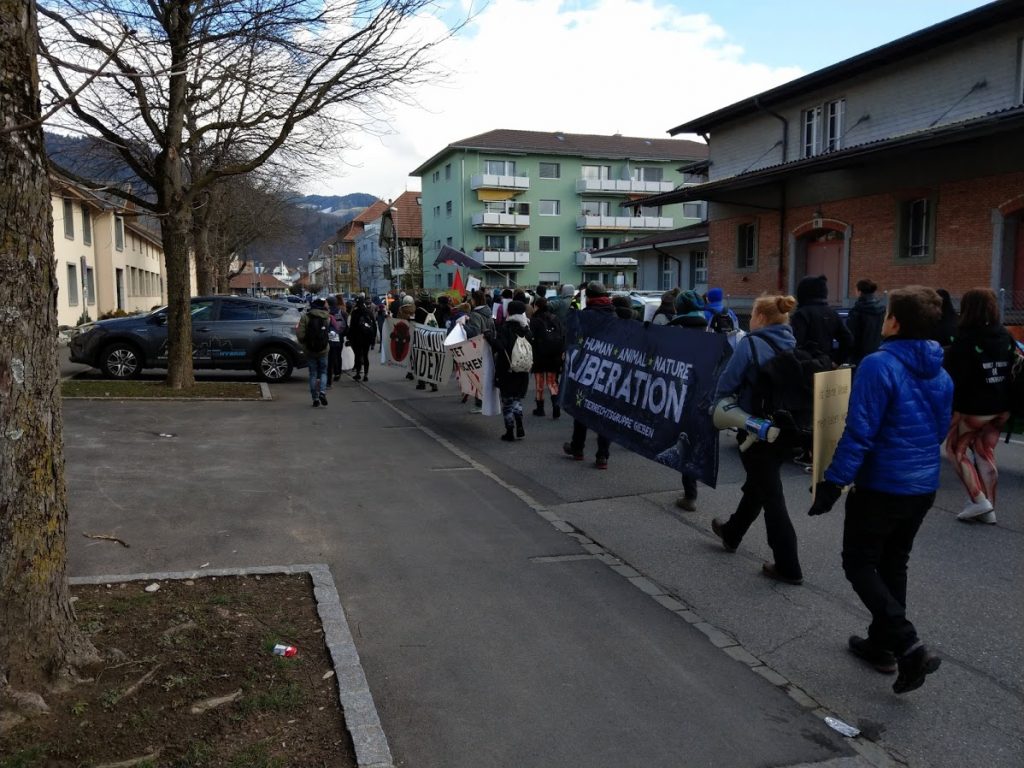
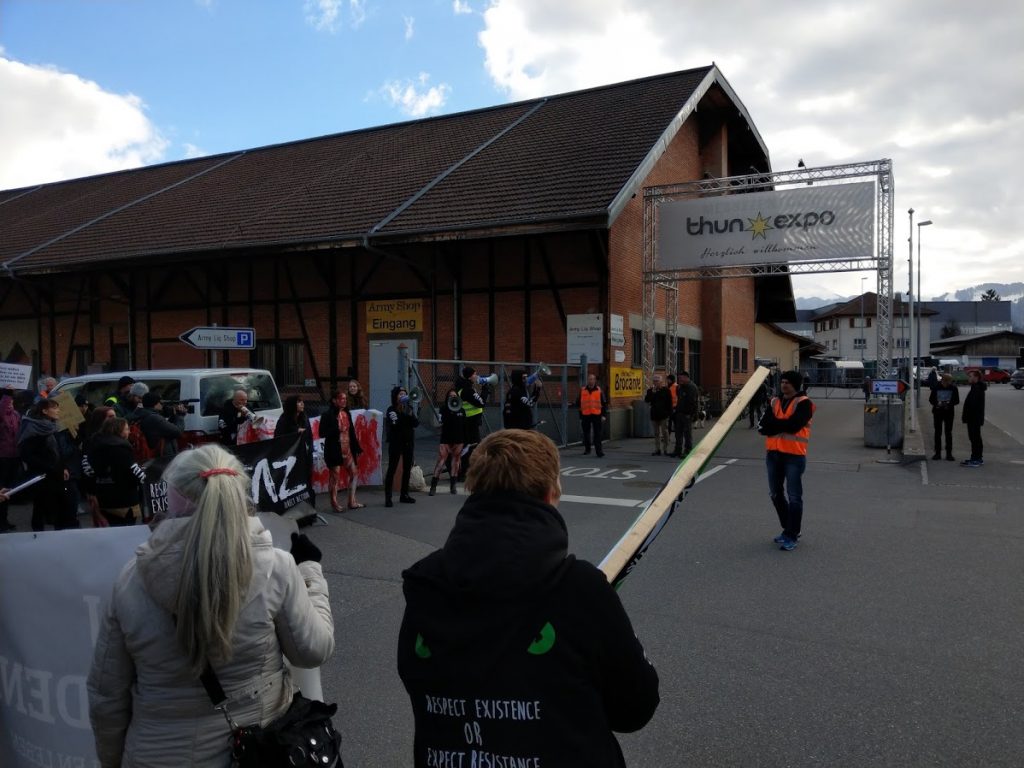
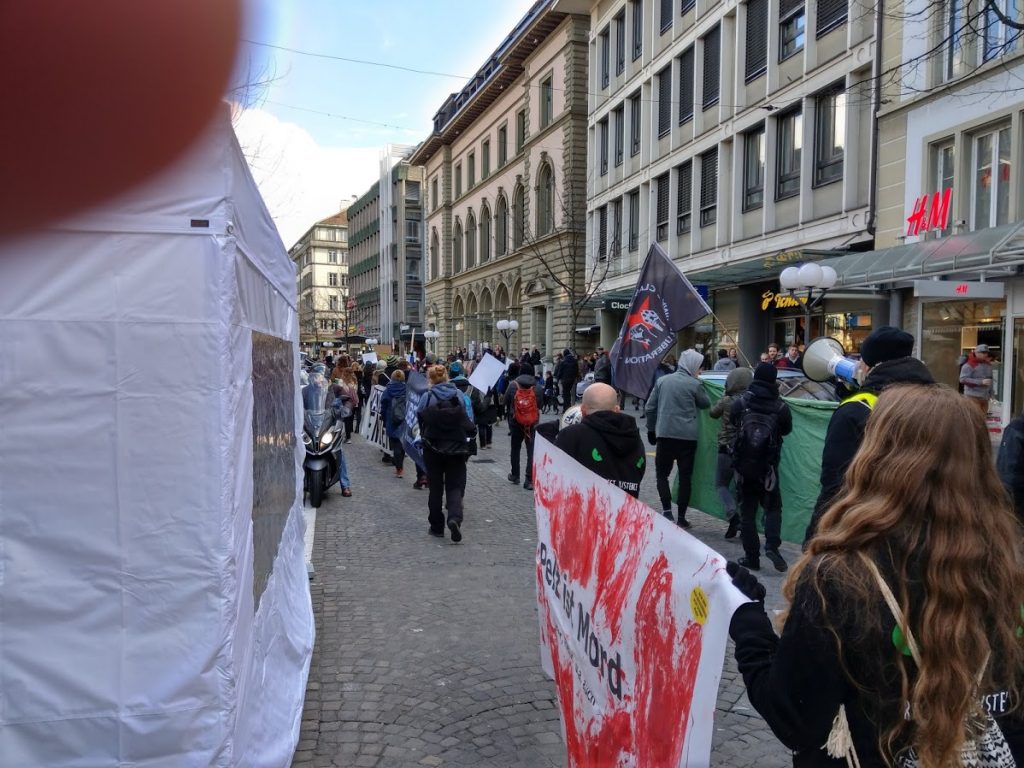


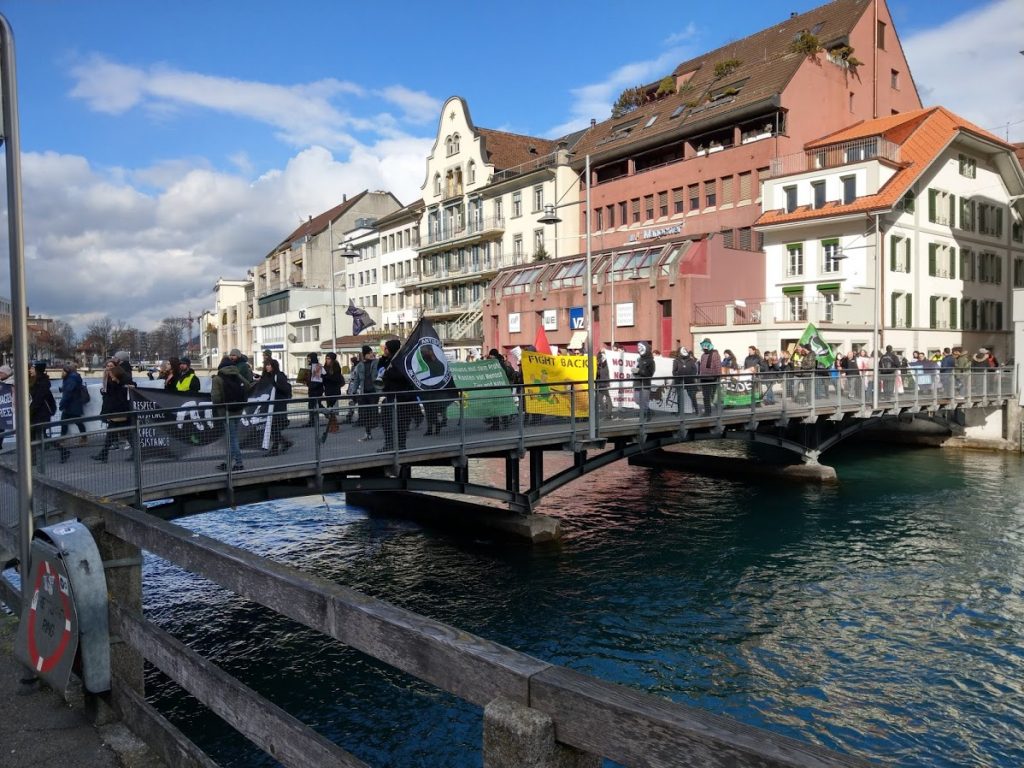
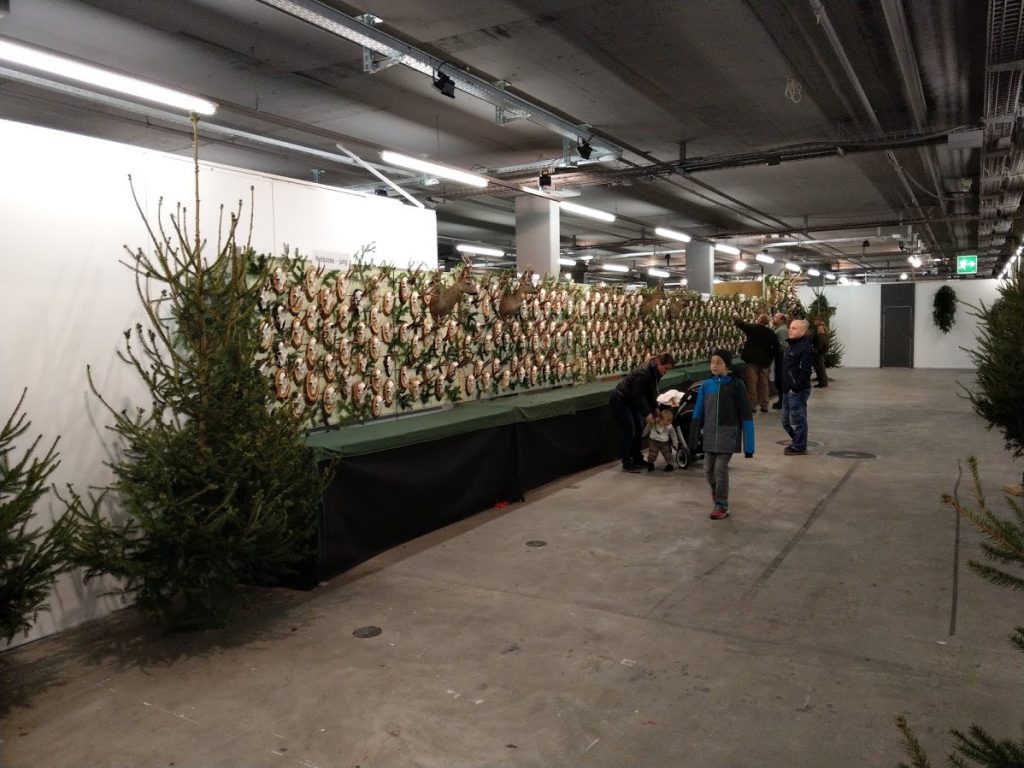
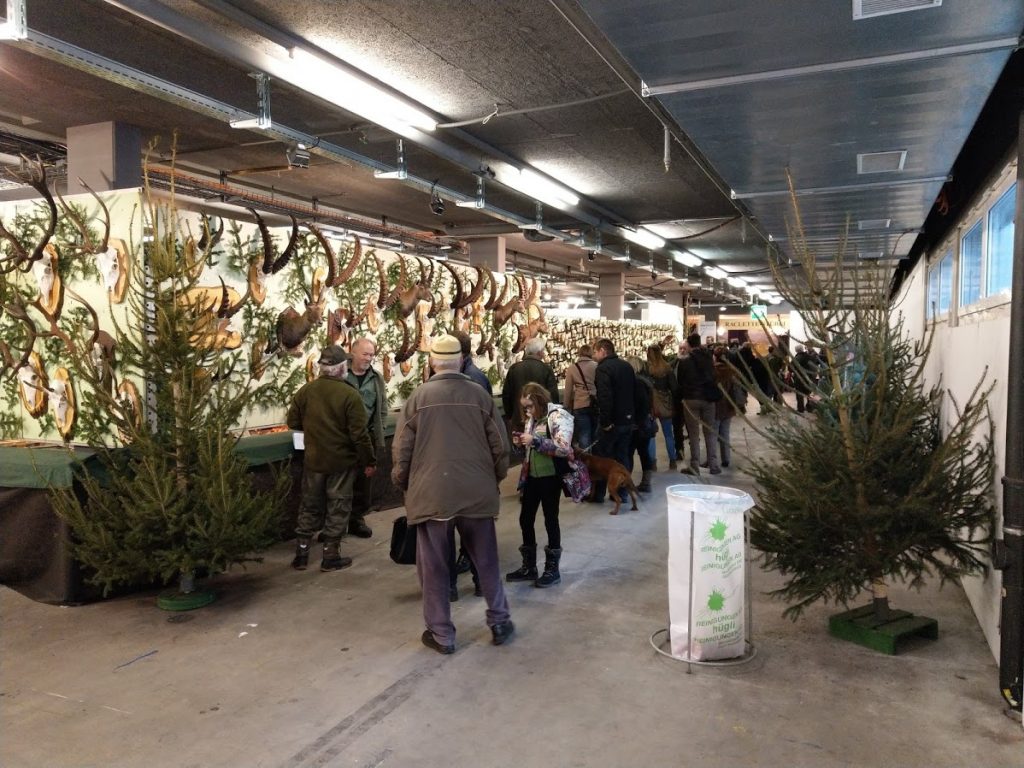
A good hundred demonstrators gathered in the afternoon at Thun's Waisenhausplatz for a rally through the city. The activists peacefully but firmly brought some energy, color, and culture right up to the Expo grounds and the dull hunters' market.
At the new location on the Expo grounds, the fox pelt was, as in previous years, worth very little. Traders paid recreational hunters barely ten francs — mostly just as a goodwill gesture.
Resistance against recreational hunting
Barbaric folklore or normal hunting method? At least among the Swiss population, den hunting (Baujagd) enjoys hardly any acceptance; this is shown by a representative survey of 1’015 people conducted by the market research company Demoscope on behalf of the Swiss Animal Protection (STS). 64 percent support a ban, while only 21 percent want to keep den hunting. Opposition is slightly stronger among women and those aged 15 to 34. No urban-rural divide exists. The survey took place last September.
A similar picture emerges with driven hunting. Here, so-called beaters flush out game with the aim of driving it in front of the recreational hunter’s gun. Because the animals move quickly, the risk of grazing shots or non-immediately fatal shots is higher than with stalking, where a hunter patiently lies in wait for game. According to the survey, 43 percent want to ban driven hunting, with a further 32 percent wanting to restrict it in terms of numbers.

Samuel Furrer from the Wildlife Department at the Swiss Animal Protection STS believes that it is time to listen to the population. Furrer: “Den hunting is animal cruelty. It is not ethical and it is not right. We demand its abolition.” More on the animal welfare problem of recreational hunting.
More on the subject of recreational hunting: The scientific evidence is presented in the overview Studies on the Effects of Recreational Hunting.
The position of IG Wild beim Wild: IG Wild beim Wild rejects recreational hunting. Our model is the canton of Geneva, which has managed without recreational hunting since 1974: without hunting seasons, without hunting dogs, without driven hunts, without high seats, without the animal cruelty and crime that go hand in hand with hunting season elsewhere. What has worked there for over fifty years disproves every position paper by JagdSchweiz. An association that bases its policy on claims it refutes in its own documents is not a professional organisation, but a factory for misinformation.