Live animal transports to Israel despite war
A large number of animals are still being exported to ports in Israel, where they face significant risk.


Vulnerable cows and sheep are being sent from member states such as Ireland, Romania, Croatia, Slovenia, Hungary and Lithuania into the war zone, where they are exposed to rocket fire, air strikes and mistreatment by desperate port workers and handlers.
Suffering along the transport route
The long journeys to Israel's largest port of Haifa have severe consequences for the health of these sentient beings, causing respiratory illnesses, ulcers, leg injuries, travel sickness and heat stress. Their suffering is further compounded upon arrival in Israel, as they are exposed to daily rocket fire and constant air raid sirens from the port of Haifa to the surrounding quarantine and fattening facilities.
According to reports, a number of dairy farms in the Haifa area have been struck by rockets in recent weeks, killing numerous cows. The unsafe conditions around the port are also prompting workers to remove cattle from ships as quickly as possible using electric prods.
Demand for an immediate export ban
Since the start of the war, more than 100 cattle and sheep shipments have been carried out from Europe to Israel. Since the escalation of the war in the region, livestock continues to be exported to Lebanon.
10 non-governmental organisations, including Eurogroup for Animals and Ethical Farming Ireland, have now addressed a letter to EU Commissioner for Health and Food Safety Stella Kyriakides, calling for the immediate suspension of all live animal exports to Israel and Lebanon. The suffering of animals during live animal transport is enormous even in peacetime.
Ethical Farming Ireland has also urged Irish Agriculture Minister Charlie McConalogue not to approve any further shipments to Israel until the conflict is over. Animal rights must be protected even in times of crisis.
| You can help all animals and our planet with compassion. Choose compassion on your plate and in your glass. Go vegan. |
More on the subject of recreational hunting: In our dossiers on the criticism of recreational hunting gather fact-checks, analyses and background reports. The scientific evidence is presented in the overview Studies on the Effects of Recreational Hunting.
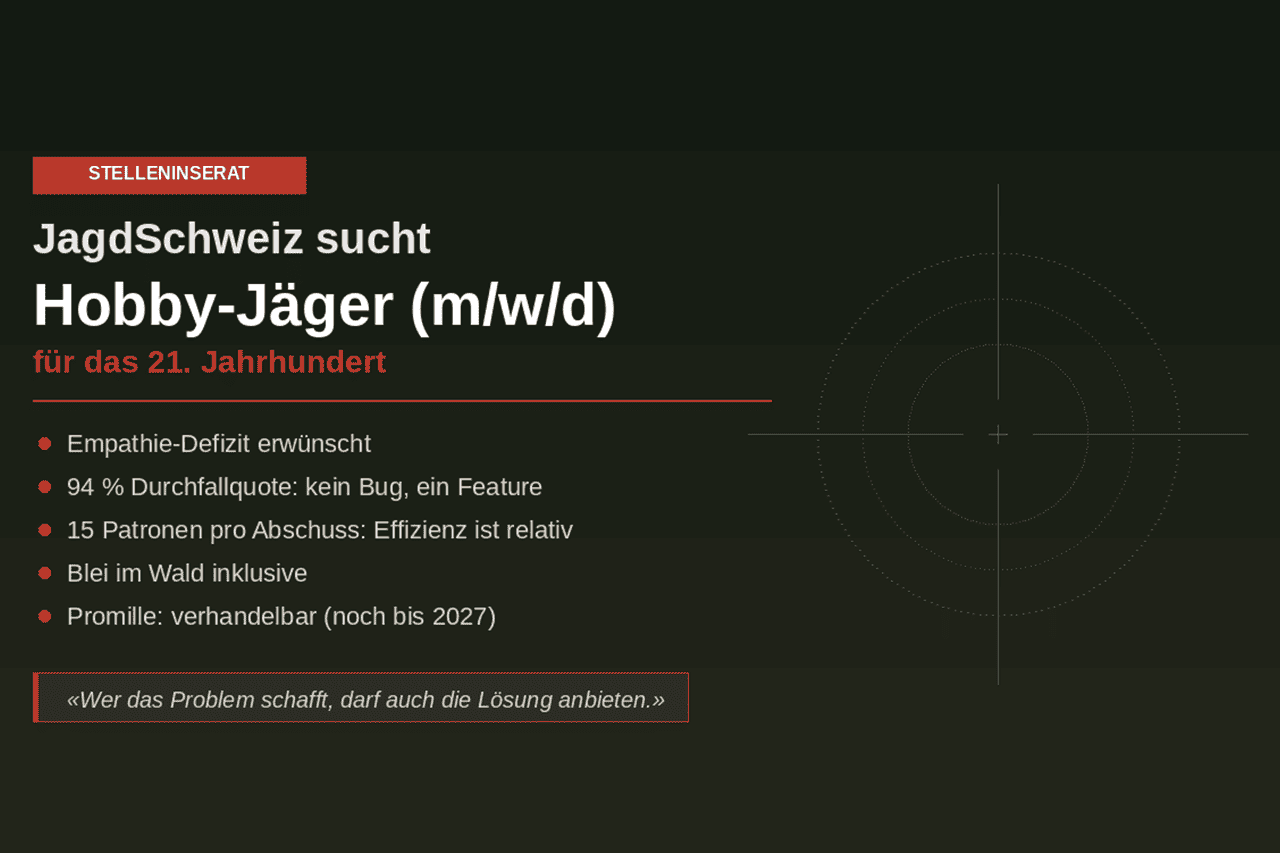
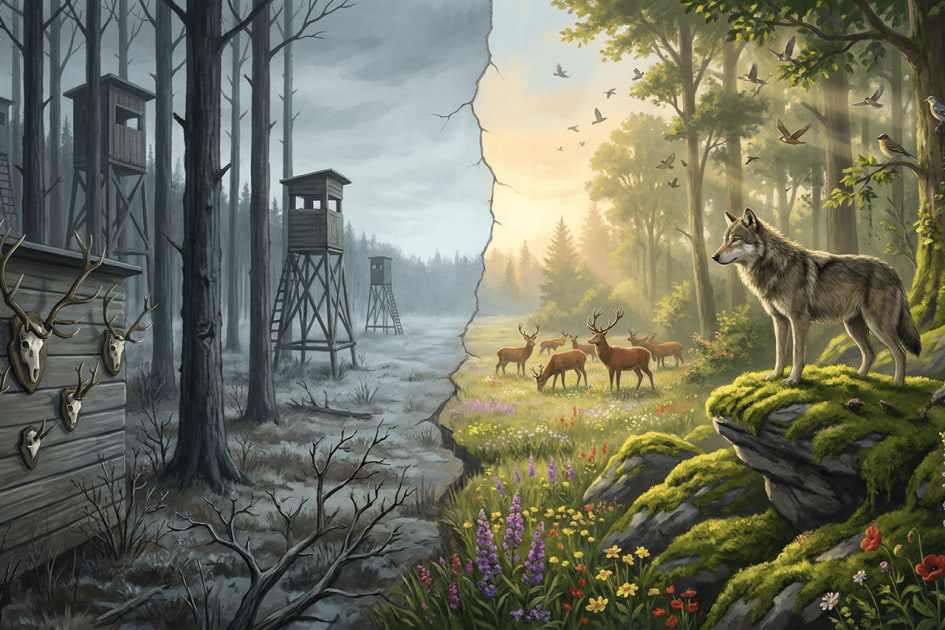
The position of IG Wild beim Wild: IG Wild beim Wild rejects recreational hunting. Our model is the canton of Geneva, which has managed without recreational hunting since 1974: without hunting seasons, without hunting dogs, without driven hunts, without high seats, without the animal cruelty and crime that go hand in hand with hunting season elsewhere. What has worked there for over fifty years disproves every position paper by JagdSchweiz. An association that bases its policy on claims it refutes in its own documents is not a professional organisation, but a factory for misinformation.