Liechtenstein: Wolf confirmed
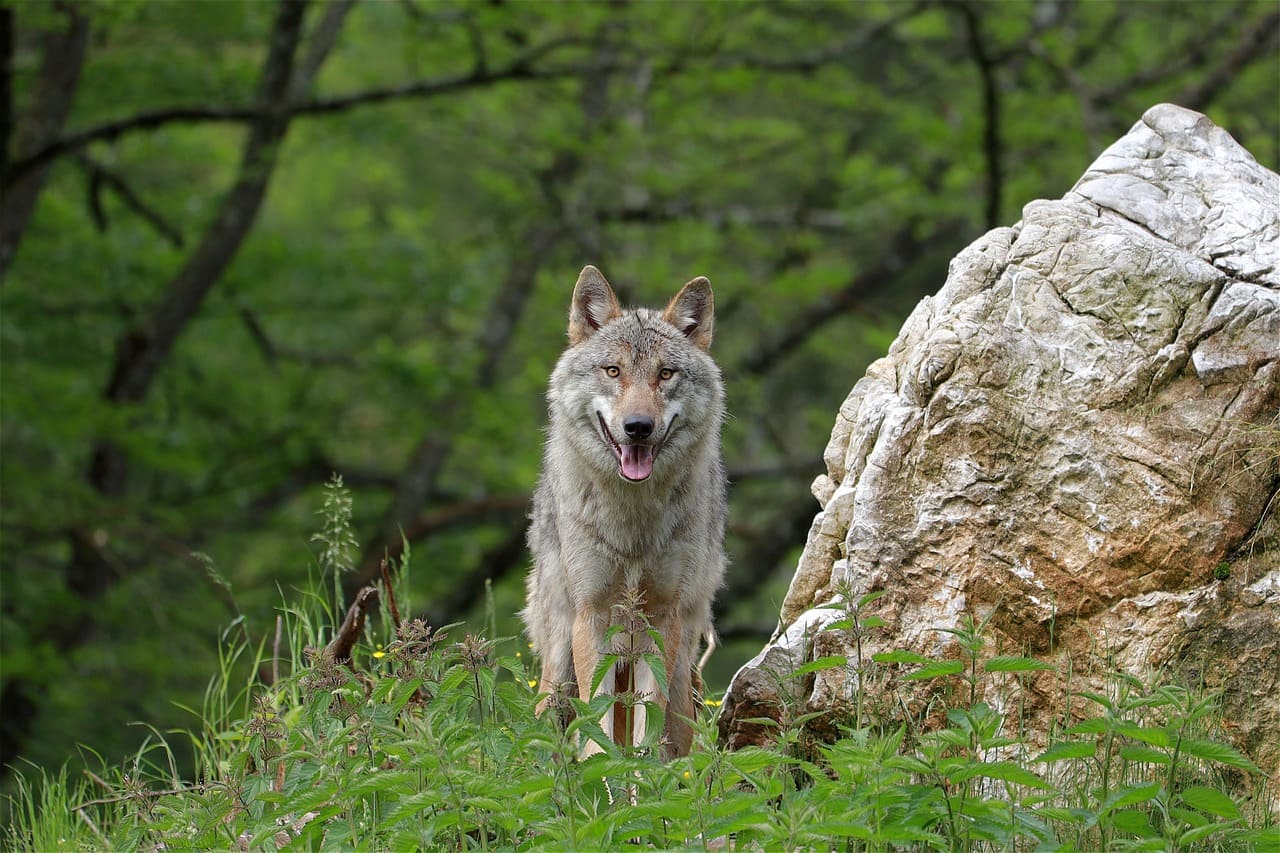
In the Principality of Liechtenstein, a second confirmed sighting of a wolf has been recorded. The predator walked into a camera trap that had actually been set up to monitor lynxes. Meanwhile, researchers have spent four winters analysing the animals' habits. The image of the wolf in Steg in the Liechtenstein Alps was taken last Monday, as the

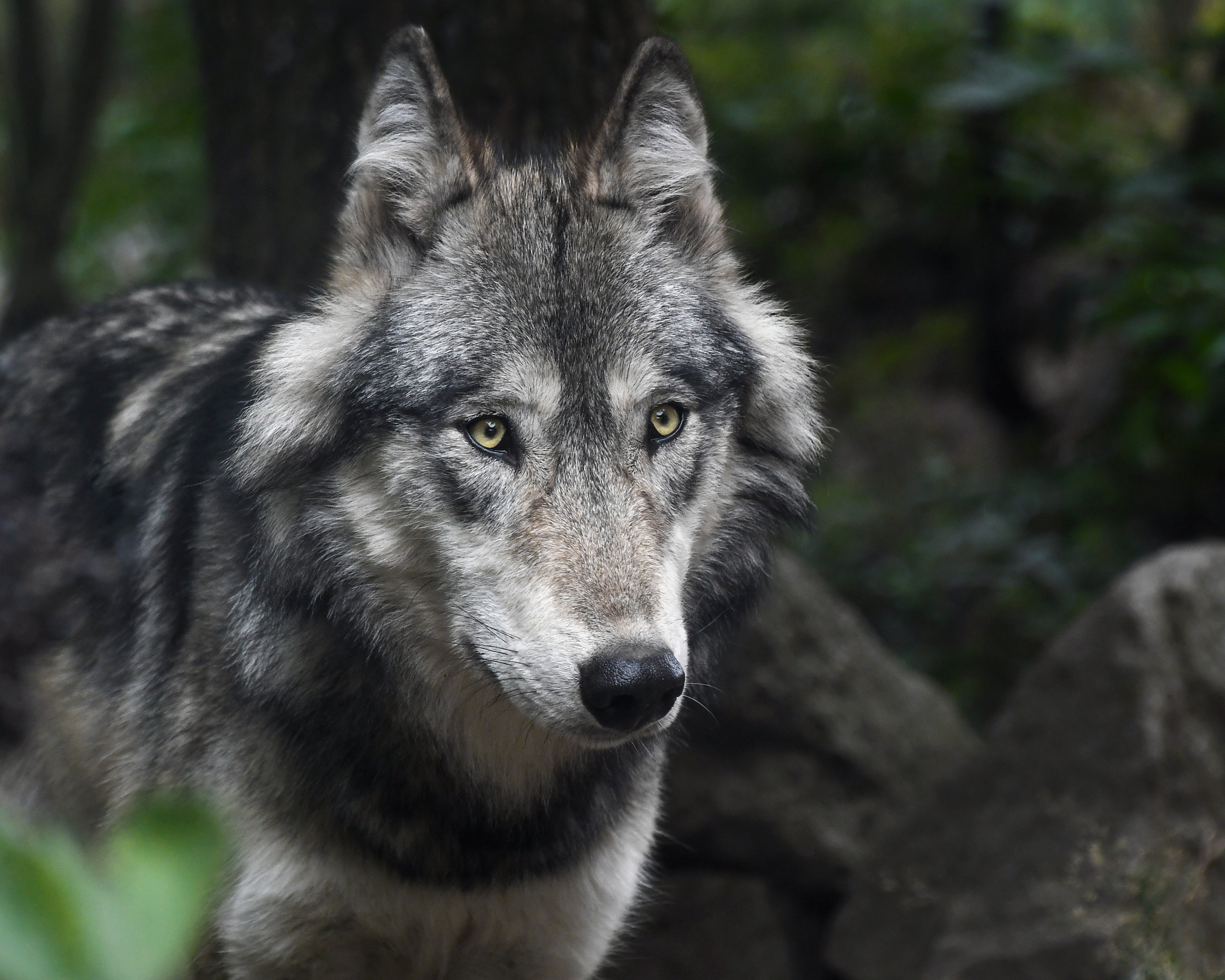
In the Principality of Liechtenstein, a second confirmed sighting of a wolf has been recorded.
The predator walked into a camera trap that had actually been set up to monitor lynxes. Meanwhile, researchers have spent four winters analysing the animals' habits.
The image of the wolf in Steg in the Liechtenstein Alpine region was taken last Monday, as authorities in Vaduz announced on Tuesday. This is the second confirmed record of a wolf on the territory of the Principality. The first dates from December 2018 and was also recorded in Steg.

According to the authorities, it is unknown where the second wolf came from or how long it has been in the border area between Liechtenstein and the Austrian federal state of Vorarlberg. The Office for the Environment is increasing the deployment of camera traps and is working with game wardens to investigate further indications of wolf presence.
The Office for the Environment is urging livestock owners, particularly small-animal farmers, to review their herd protection measures. Questions or uncertainties regarding herd protection measures can be clarified with the Office for the Environment or directly with the herd protection team at the Agricultural Centre St. Gallen (LZSG). Herd protection consultations this year will be conducted in compliance with all currently applicable hygiene and behavioural guidelines in the context of the COVID-19 pandemic. Herd protection consultations for livestock owners in Liechtenstein are free of charge.
Wolves settle where there are red deer and roe deer
With the return of wolves conflicts are inevitable, for example with backward-thinking farmers. Researchers from Bern have now analyzed the habits of the animals over four winters in order to predict their future habitats. Conclusion: wolves live where the food suits them.
A research group led by the Department of Conservation Biology at the Institute of Ecology and Evolution of the University of Bern recorded and mapped wolf habitat use in the canton of Valais from 2012/13 to 2015/16. Although individual animals have been living here since 1995, the first litter was not confirmed until 2016 — the study period thus covered precisely the phase of initial pack formation.
«To obtain information on wolf space use, we systematically placed over 100 camera traps at wildlife crossings,» explains study senior author Veronika Braunisch. In addition, area-wide habitat factors such as weather conditions, land use, and topography were recorded. And to find out what prey was available, they counted tracks of roe deer, red deer, chamois, and other species in the snow along marked paths.
Prey availability as the decisive criterion for settlement
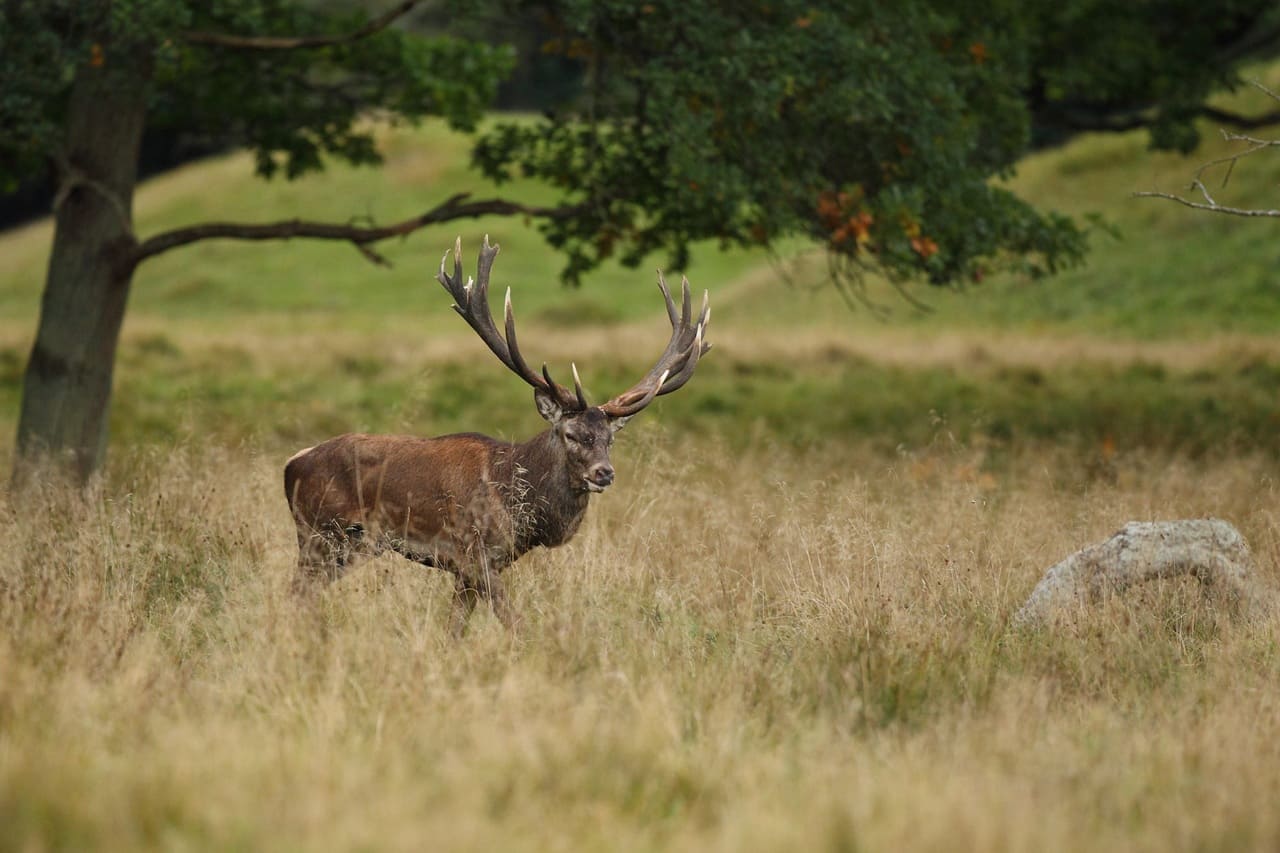
It emerged that prey availability was the decisive criterion for settlement, even more important than landscape and land use, precipitation levels, and hunting reserve areas. During the pack formation phase, wolves preferred areas with a high density of red deer, as stags provide more food and can also be taken down together without difficulty. Individual wolves, by contrast, prefer the more easily caught roe deer. The natural regulation by predators is superior to recreational hunting.
From the data, the researchers can now create maps showing where wolves are most likely to be found, or will be found in the future. «In these areas it is particularly worthwhile to apply appropriate protective measures,» says Raphaël Arlettaz.
More on the subject of recreational hunting: In our dossiers on recreational hunting gather fact-checks, analyses and background reports. The scientific evidence is presented in the overview Studies on the Effects of Recreational Hunting.
The position of IG Wild beim Wild: IG Wild beim Wild rejects recreational hunting. Our model is the canton of Geneva, which has managed without recreational hunting since 1974: without hunting seasons, without hunting dogs, without driven hunts, without high seats, without the animal cruelty and crime that go hand in hand with hunting season elsewhere. What has worked there for over fifty years disproves every position paper by JagdSchweiz. An association that bases its policy on claims it refutes in its own documents is not a professional organisation, but a factory for misinformation.