Legal action against suspension of closed seasons in national park
Animal welfare organisations are taking legal action against the suspension of closed seasons in Berchtesgaden National Park. The measure endangers protected wildlife.

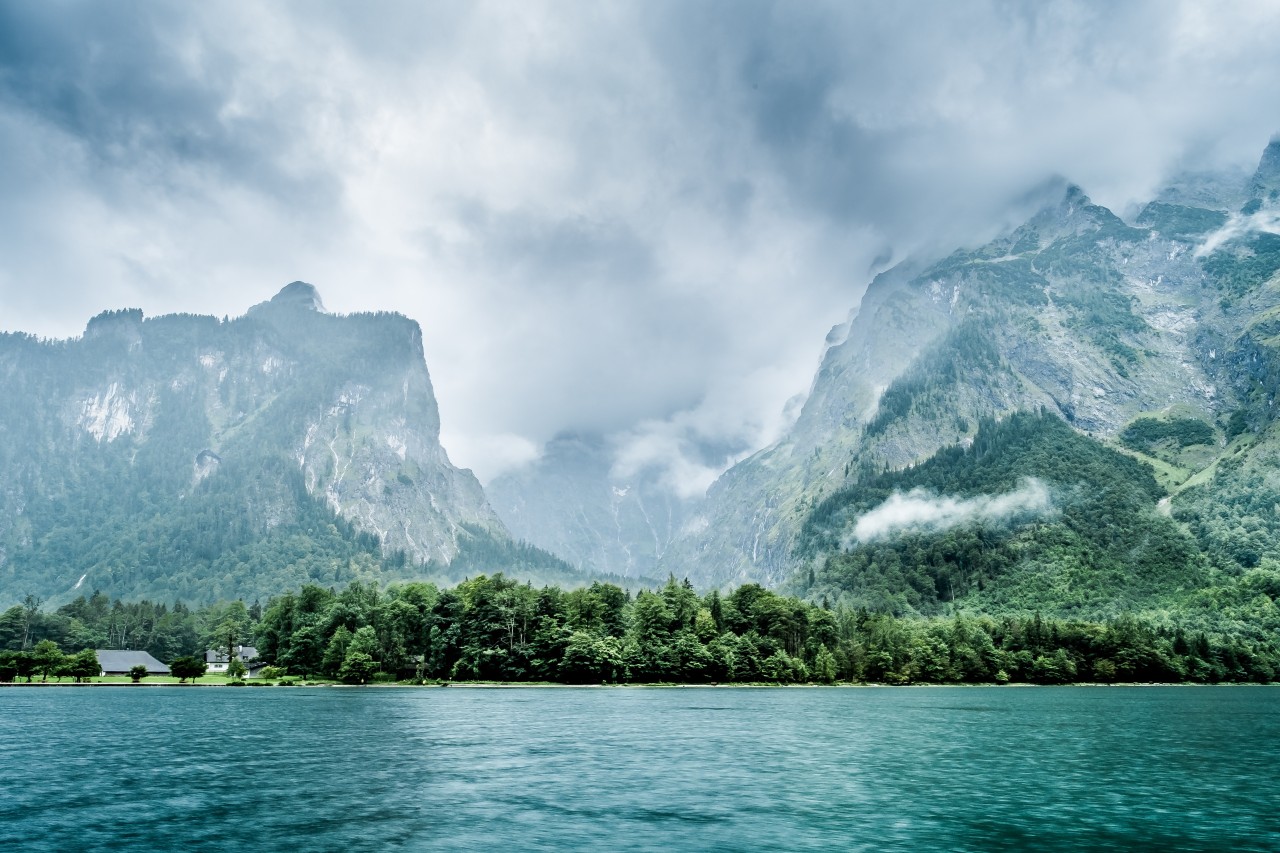
Large areas of Berchtesgaden National Park are hunted intensively, in some cases even
throughout the entire year, with legal closed seasons suspended.
The nature conservation association Wildes Bayern has filed a lawsuit against this practice. For the past two weeks, hunting has therefore only been taking place within the statutory hunting seasons.
Federal and state hunting laws grant almost all wildlife species a closed season —
a period during which they may not be hunted. The reasons for this vary,
but they usually reflect an acknowledgement of the harsher living conditions faced by the animals: the icy mountain winter, the period following a survived winter, and the phases of
pregnancy and rearing young.
Depriving wildlife of these closed seasons requires good justification under hunting law, as well as
well-founded reasoning backed by thorough case-by-case reviews. Wildes Bayern e. V. has been taking legal action since
2019 against the practice in Upper Bavaria of suspending closed seasons across vast areas of the Bavarian State Forests
by means of an ordinance. A court hearing on the matter is
still pending. This spring, we challenged the shortening of closed seasons for roe deer in several Bavarian districts
and successfully put a stop to this practice. Building on
the legal precedents established in that process, Wildes Bayern has now taken a closer look at one of the
most questionable suspensions of closed seasons — one within a national park —
and has uncovered a number of inconsistencies.
„The suspension of the closed season for roe deer, red deer, and chamois in parts of
Berchtesgaden National Park urgently needed to be examined from a legal standpoint“, said association chair Dr.
Christine Miller.“That is why we filed a lawsuit — and because our legal action has suspensive effect, hunting outside the statutory hunting seasons is currently not taking place.
.“
Berchtesgaden National Park has been making use of the legally permitted
opened possibility of shortening or eliminating the closed season for ungulates,
allegedly because there are serious reasons for doing so. One such reason could be that
excessive browsing damage can only be effectively countered in this way. But is that the case in
Berchtesgaden National Park? And if so, has the measure produced the desired effect over the past 20 years?
What role does forestry browsing damage even play
in a national park, where one should be letting “nature be nature”?
Looking at the past two decades, the national park has been increasingly intervening in populations of red deer, roe deer, and chamois beyond the statutory hunting seasons: while in
2002 the closed season was lifted for only a few roe deer and chamois, it soon applied
to red deer as well. Whereas up until at least 2014 the number of roe deer, red deer, and
chamois affected by the closed season suspension was precisely defined, from
at least 2017 onward this limitation no longer exists. While the closed season for chamois was initially
lifted from mid or early January, today it is lifted as early as mid-December.
Whereas roe deer does were previously completely exempt from the suspension of the closed season,
they are now hunted in January — when ice and snow prevail in the mountains — like almost all
their fellow animals. And finally, the areas to which these rules
apply have also grown steadily over the years.
In the meantime, two thirds of the chamois in Berchtesgaden National Park are shot
during the months of the suspended closed season — in the depths of winter and early
spring — and only one third of the animals during the regular hunting season.
The Munich Administrative Court will now examine whether this is legally tenable.
„We will fight to ensure that this scandalous conduct is finally brought to an end.
Not only is an internationally protected species being massively endangered here, with
immense animal suffering being accepted as a consequence. These «special rules» of the national park also jeopardize the status of the park itself. For most of the year-round hunted animals live in the core zone for many months. They are hunted as soon as they move to the warm south-facing slopes of the «peripheral zone» in winter. This contradicts the IUCN criteria. We want our national park to remain a proper national park!" explains Christine Miller about her organization’s commitment.