Raccoon Project Kassel: An Innovative Approach to Wildlife Management
BiPoMa is the first biological population management programme for raccoons in Europe. Its goal is to reduce the raccoon population in Kassel in a manner consistent with animal welfare principles — similar to the approach used with stray cats, through capture, sterilisation and release.

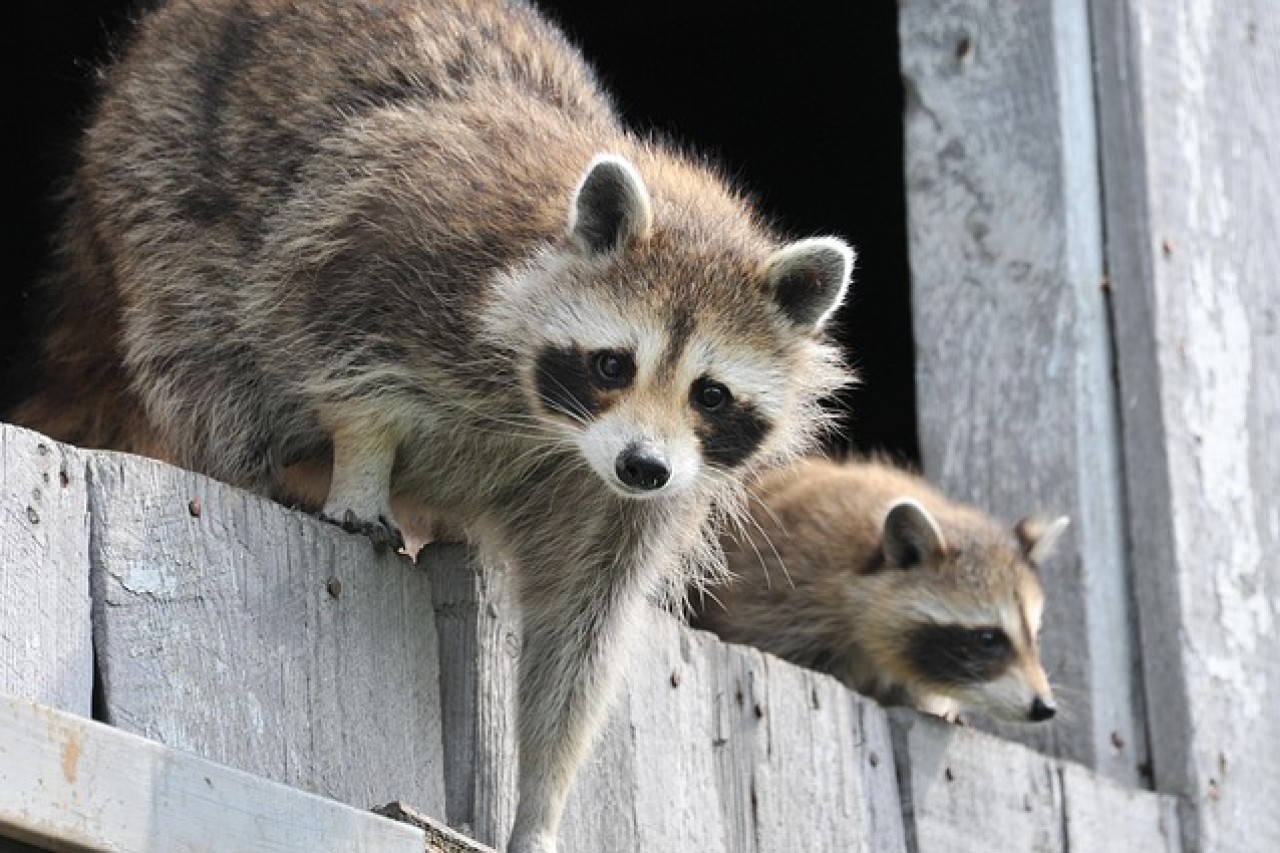
Over the next three years, the number of raccoons in Kassel is to be reduced and significantly decreased by capturing and sterilising as many animals as possible.
The city and the Federal Association of Wildlife Aid Organisations have presented the first biological raccoon management programme in Europe.
The hunting carried out by recreational hunters targeting this so-called “invasive species” has clearly failed at every level, as can be seen from the development of hunting bag statistics in Germany.
“I do not know a single scientist or hunting expert who seriously believes that hunting measures can keep these animals in check.” – Dr. Ulf Hohmann, wildlife biologist and raccoon expert
How the Project Works
- Live traps are set in locations where raccoons have been sighted.
- The animals are captured using alarm-secured traps, taken to a veterinarian, examined, sterilised and marked with a yellow ear tag.
- After recovery, they are released at the site where they were found.
- All animals are documented in a database.
- The project is planned to run for three years — all participants are working on a voluntary basis, and no costs are incurred by the city.
Legal Basis
- According to EU Regulation 1143/2014, population control measures are permitted when eradication is not possible.
- The release of sterilised captured animals is permissible under certain conditions, as they defend their territory and thereby prevent new individuals from moving in.
Why Release Them?
- Females are loyal to their home range; sterilised animals remain on site and, through territorial behaviour, prevent new animals from immigrating.
- Without reproduction and with fewer young animals, the population declines in the long term.
- This reduces damage to buildings, as birthing sites are eliminated.
Why is the Bundesverband Wildtierhilfen doing this – and not the hobby hunters?
- The project is carried out in collaboration with hobby hunters, as they know their territory well.
- Hobby hunters and animal rescue centres receive numerous young animals in early summer that can barely be accommodated.
- Sterilisation helps reduce the influx at animal rescue centres and prevents the illegal release of tame animals into the wild.
Criticism and benefits
- Some doubt the effectiveness, as not all raccoons in Germany can be sterilised.
- The goal, however, is local control in heavily affected areas such as Kassel, not nationwide eradication.
- Comparison: The principle also works with stray cats, even though there are millions of them.
Citizen participatiog
- Anyone can report raccoon sightings.
- Sightings of animals with a yellow tag (including deceased) should be reported with the ear tag number and a photo if possible.
- Form and contact: Website Stadt Kassel or email: kontakt@bundesverband-wildtierhilfen.de
Prevention and education
- Children can become AWA raccoon rangers – through free training sessions at schools and clubs (also online).
- Goal: Strengthen awareness and prevention so that the raccoon population declines in the long term.
BiPoMa is an innovative, animal welfare-friendly project to reduce the raccoon population. It relies on the power of sterilisation rather than killing – scientifically monitored, driven by volunteers, and supported by citizen participation.
- Keeping raccoons away in an animal-friendly manner
- Raccoons also have a right to life
- The treatment of “invasive” species – a critical analysis from a biological and legal perspective
- Neozoa
- Basel wants to kill raccoons
- Raccoons are not a threat
- Open letter to Katrin Schneeberger of BAFU
- Removal of the raccoon from the lists of so-called invasive species
- Facts instead of hunters’ tales about raccoons
- The hunting and wildlife authority of the Canton of Aargau wants to shoot raccoons